
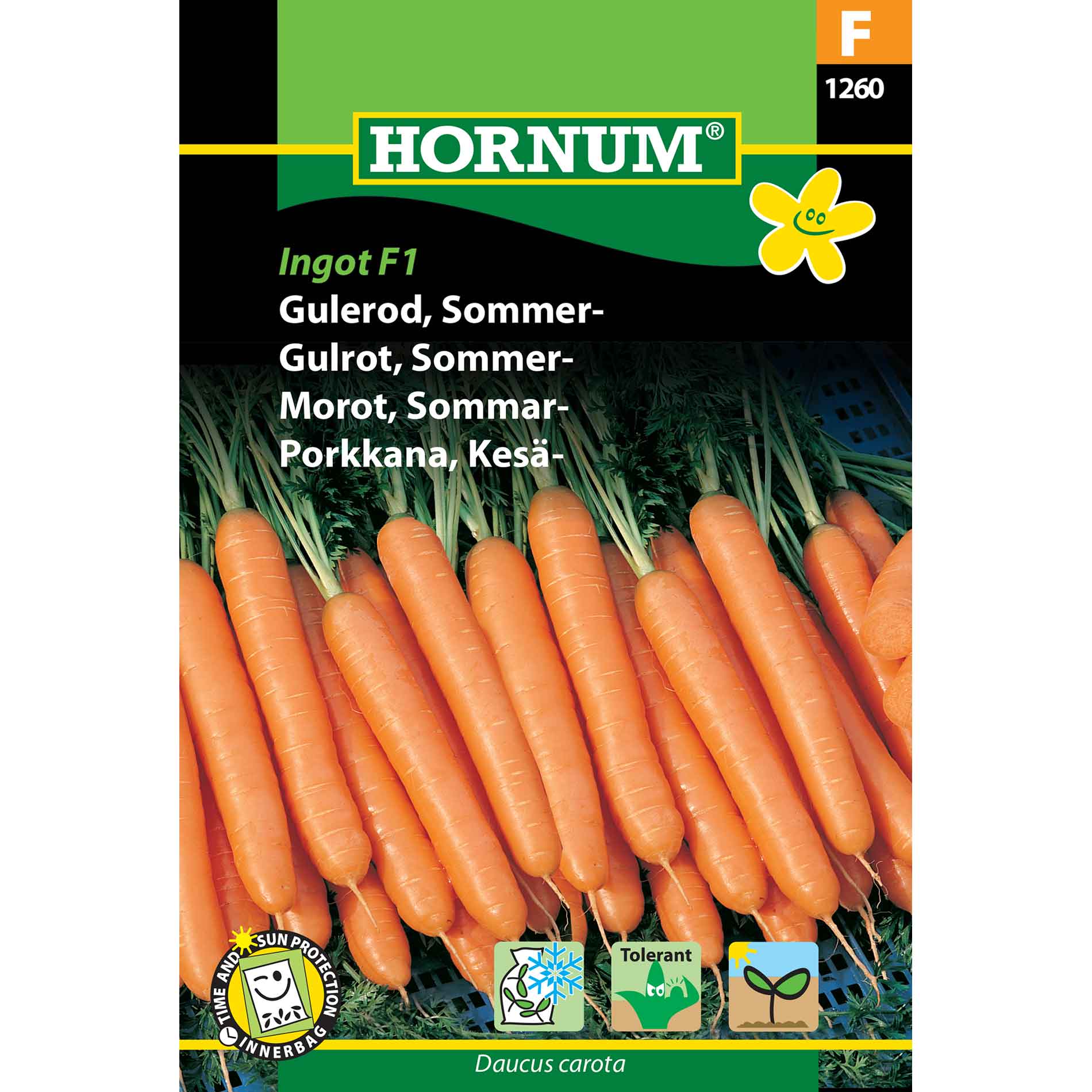
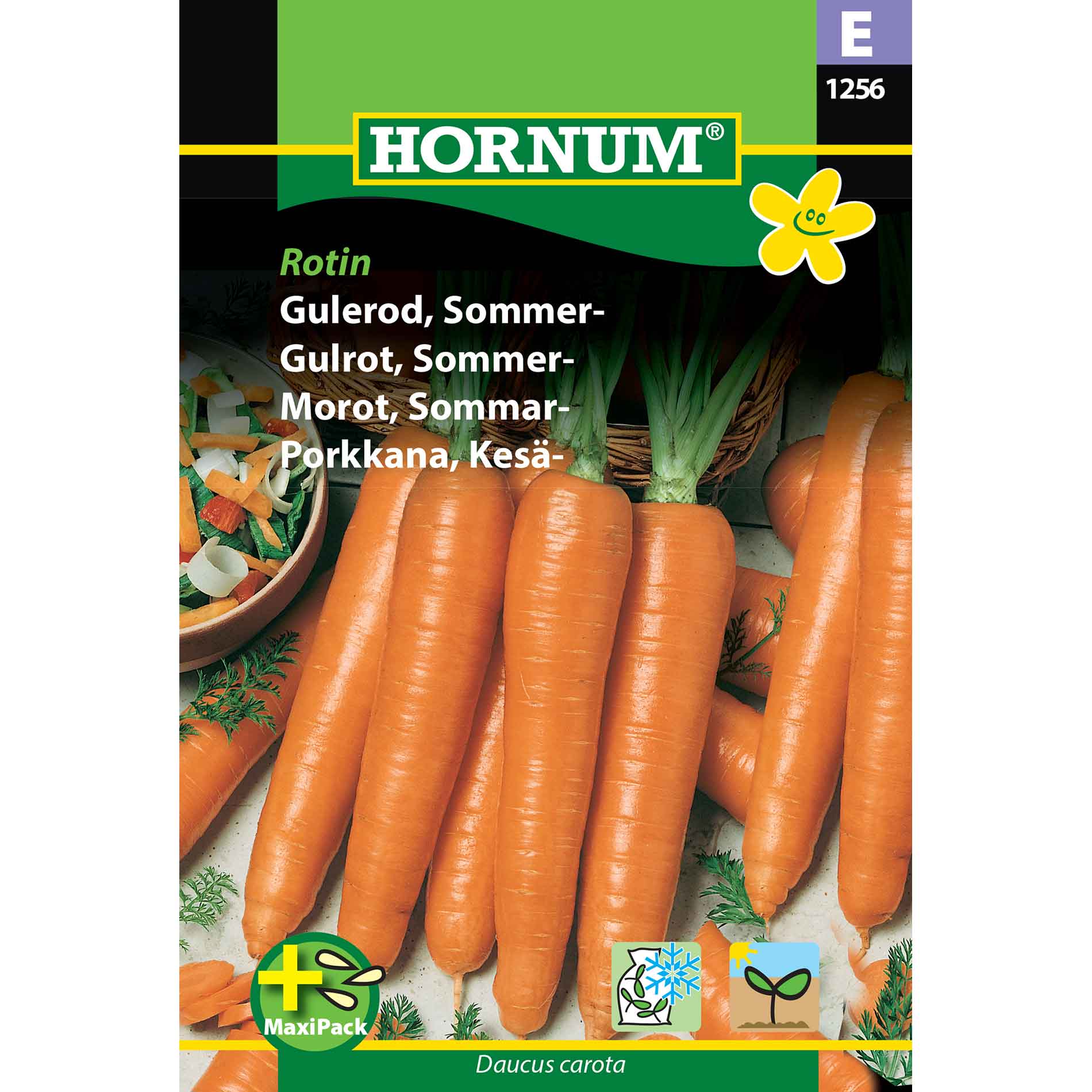
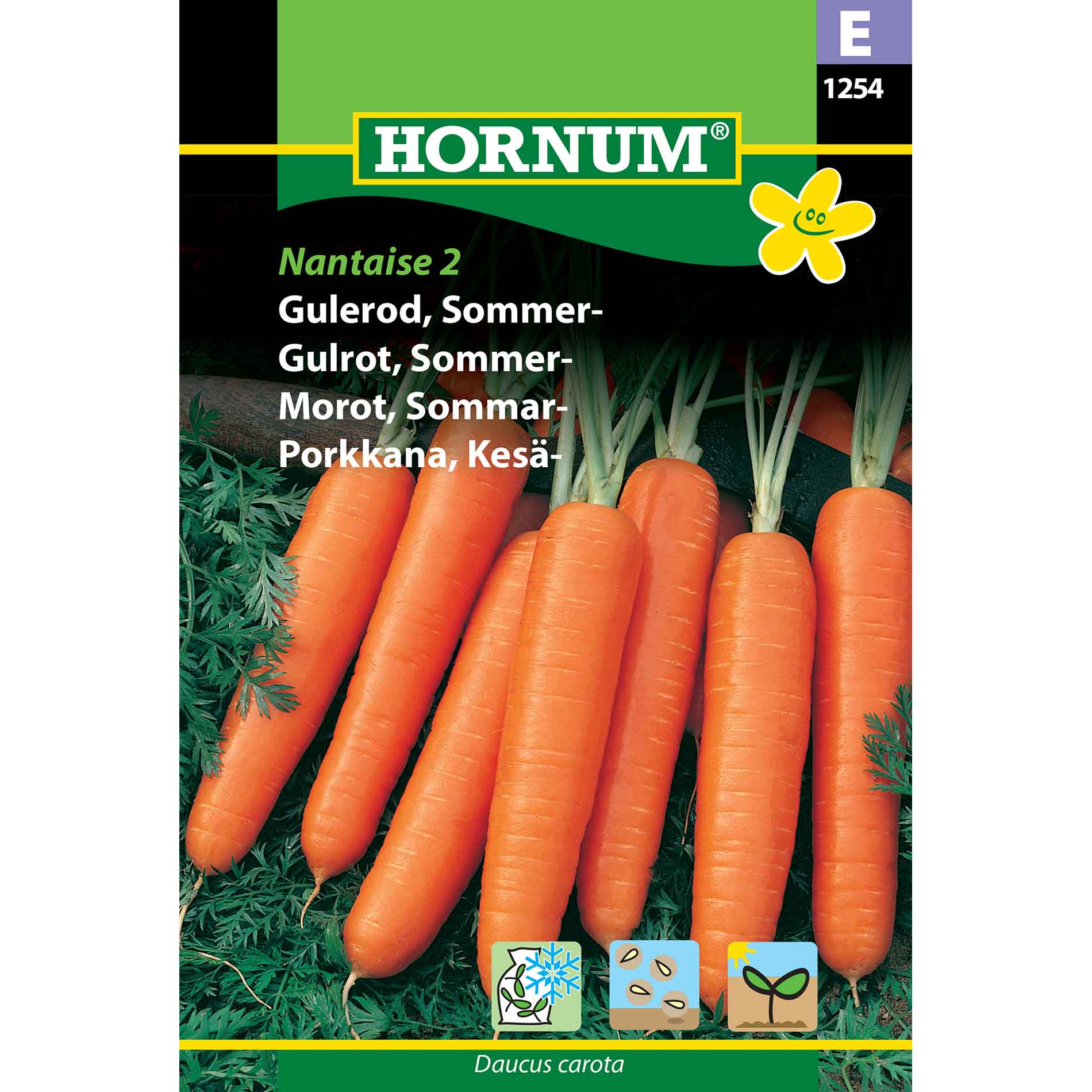
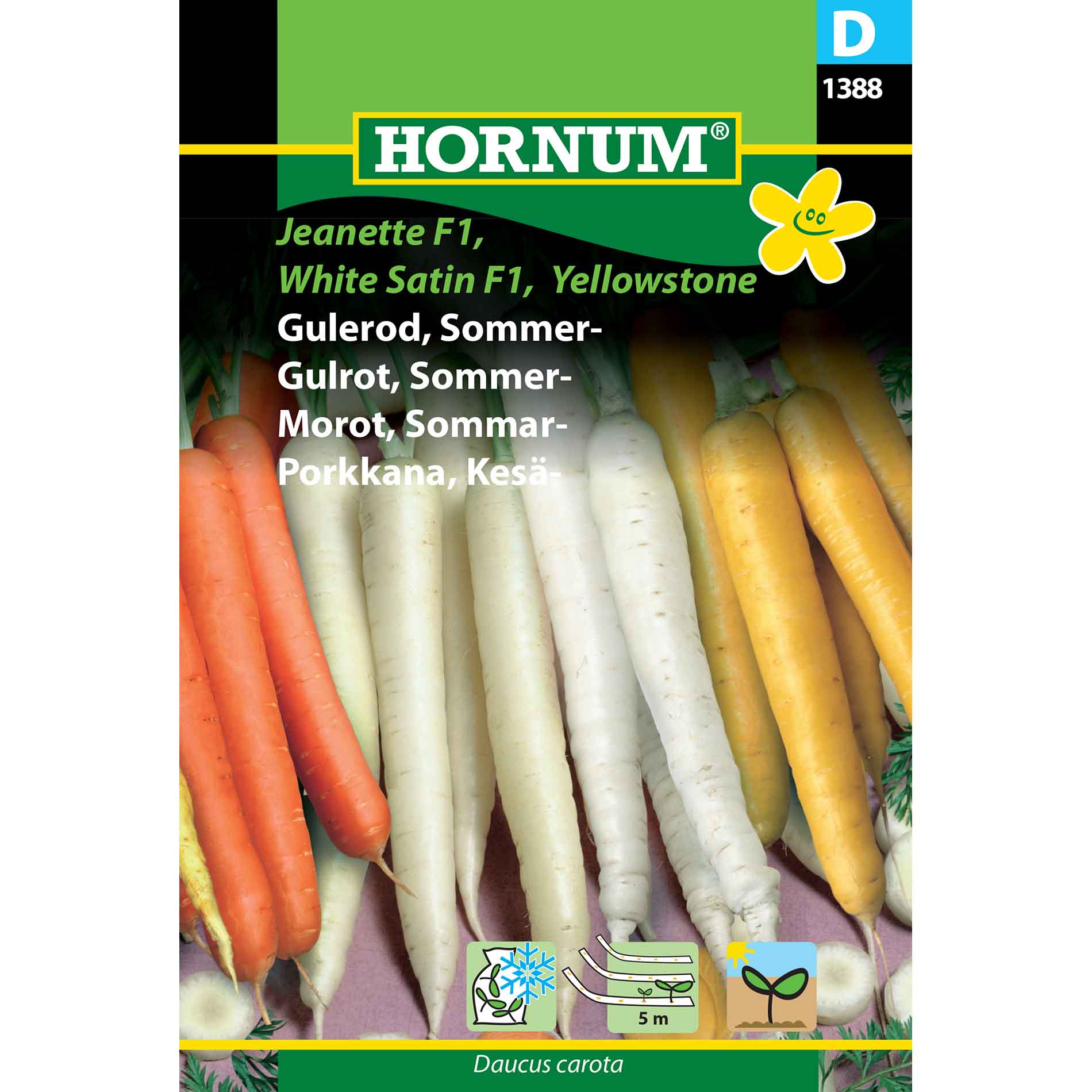
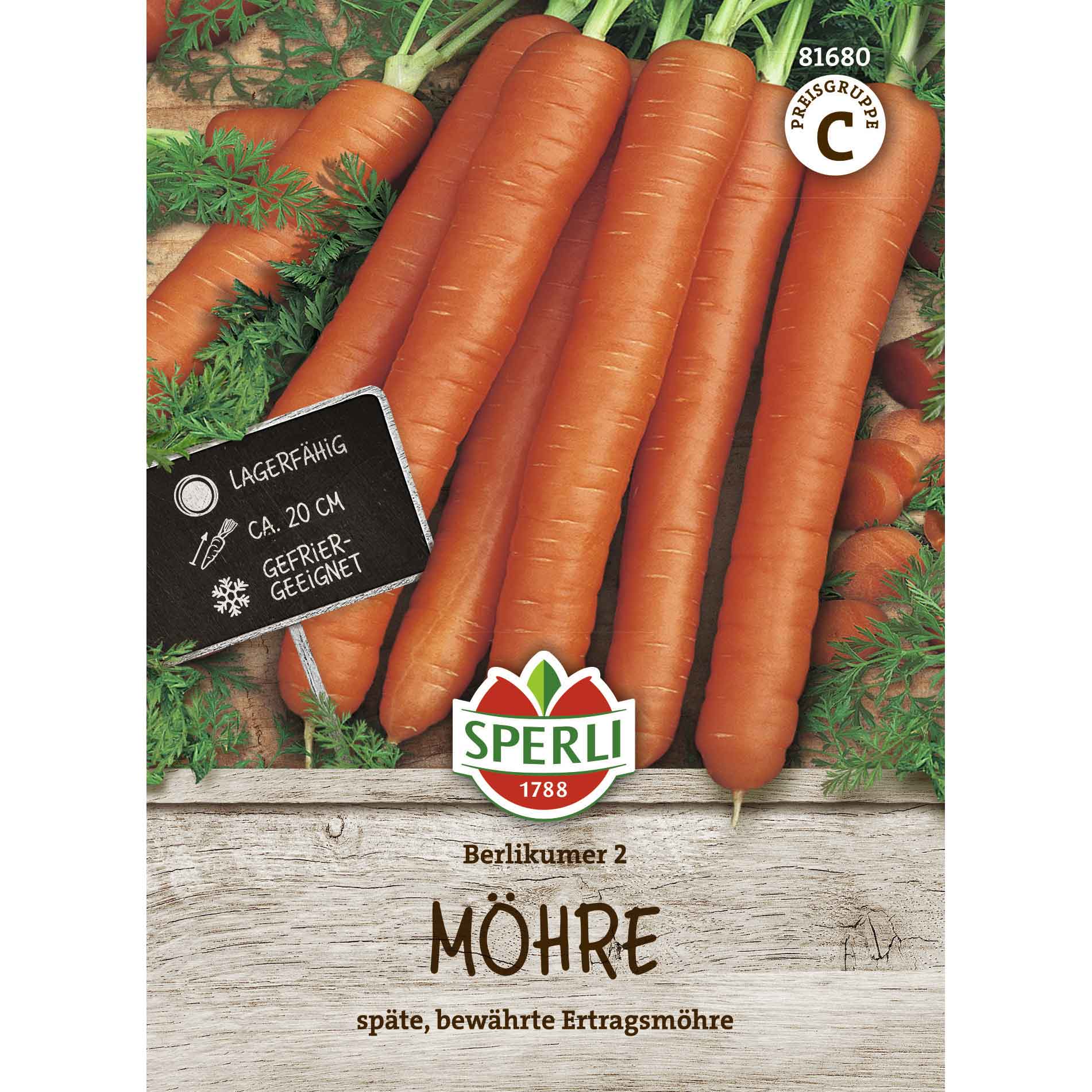
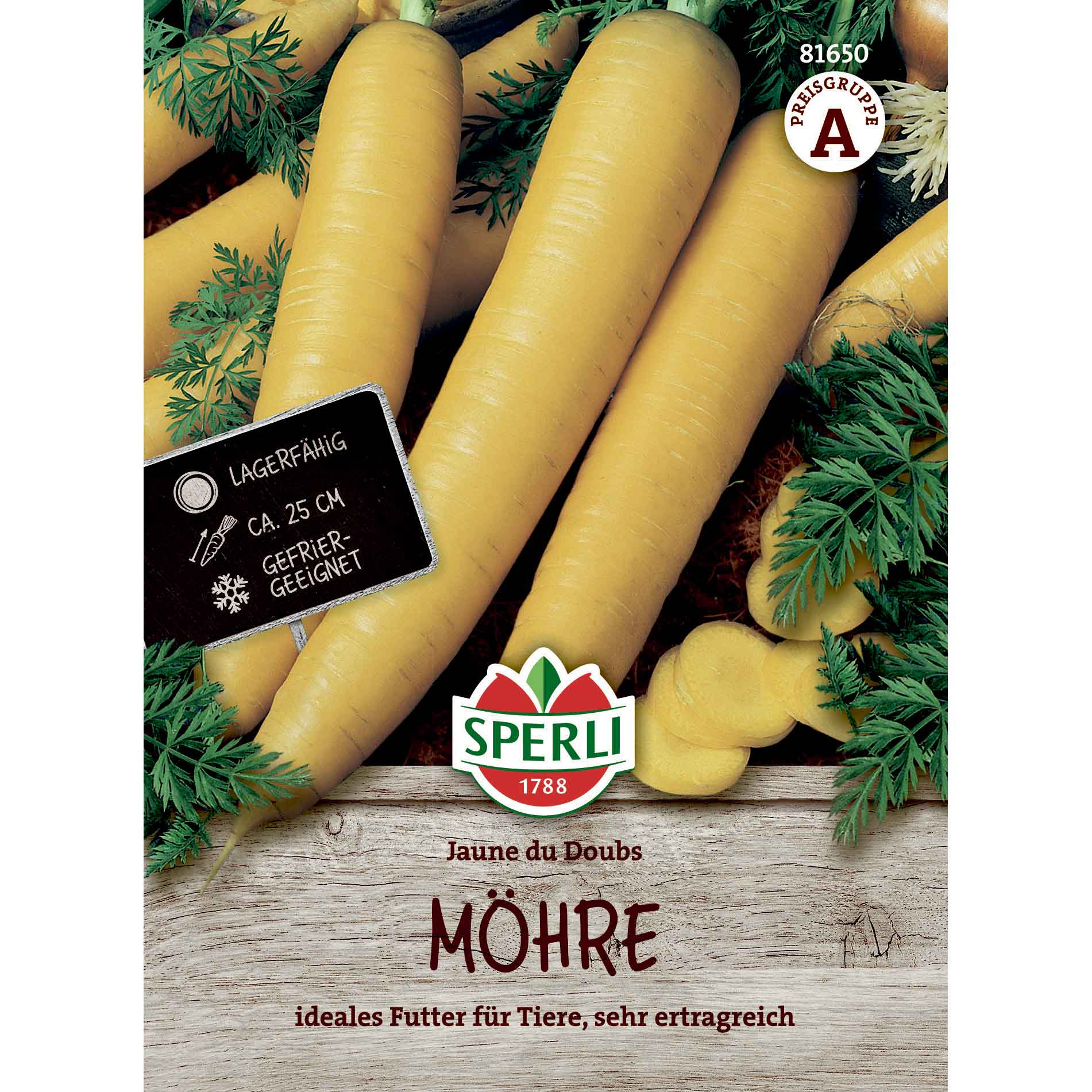
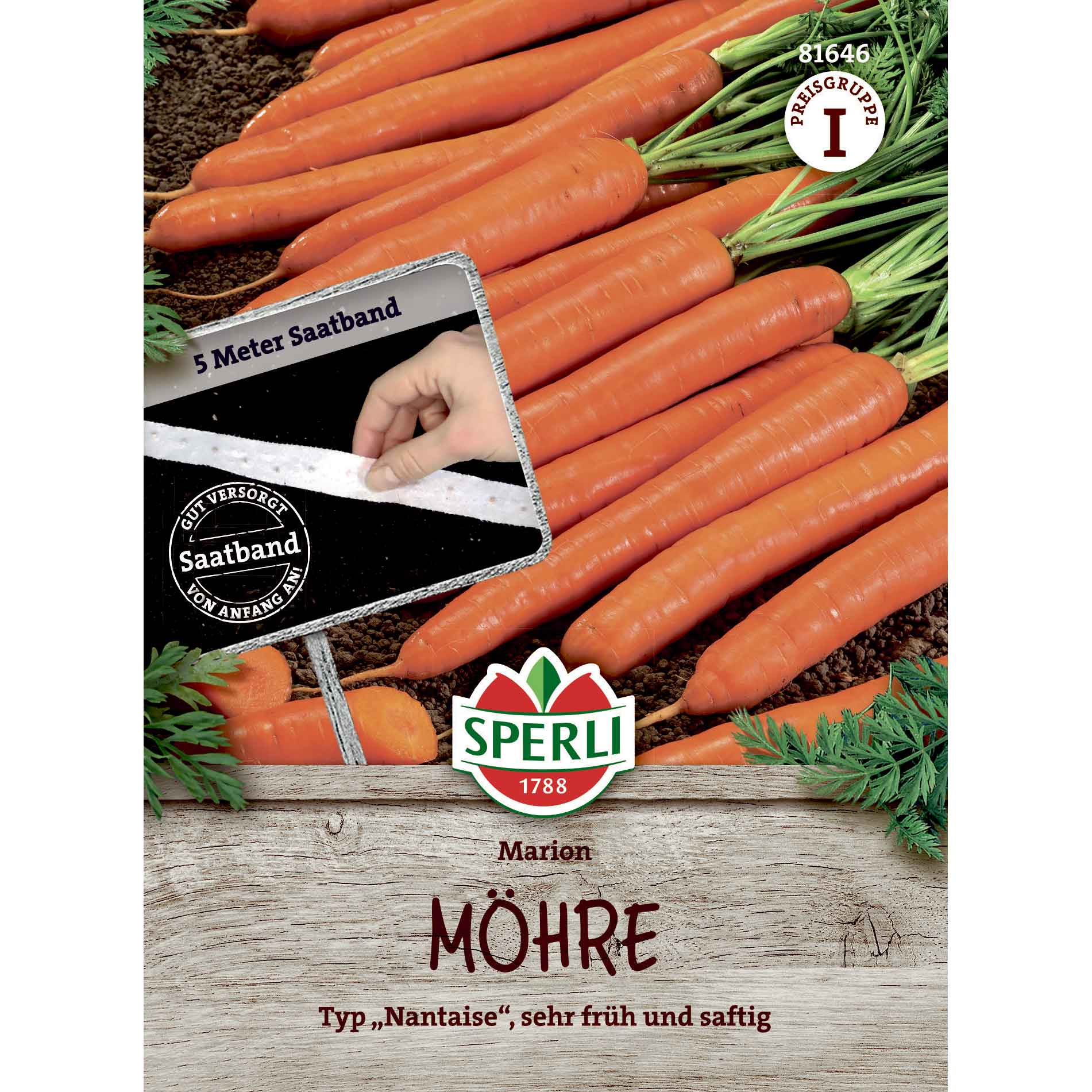
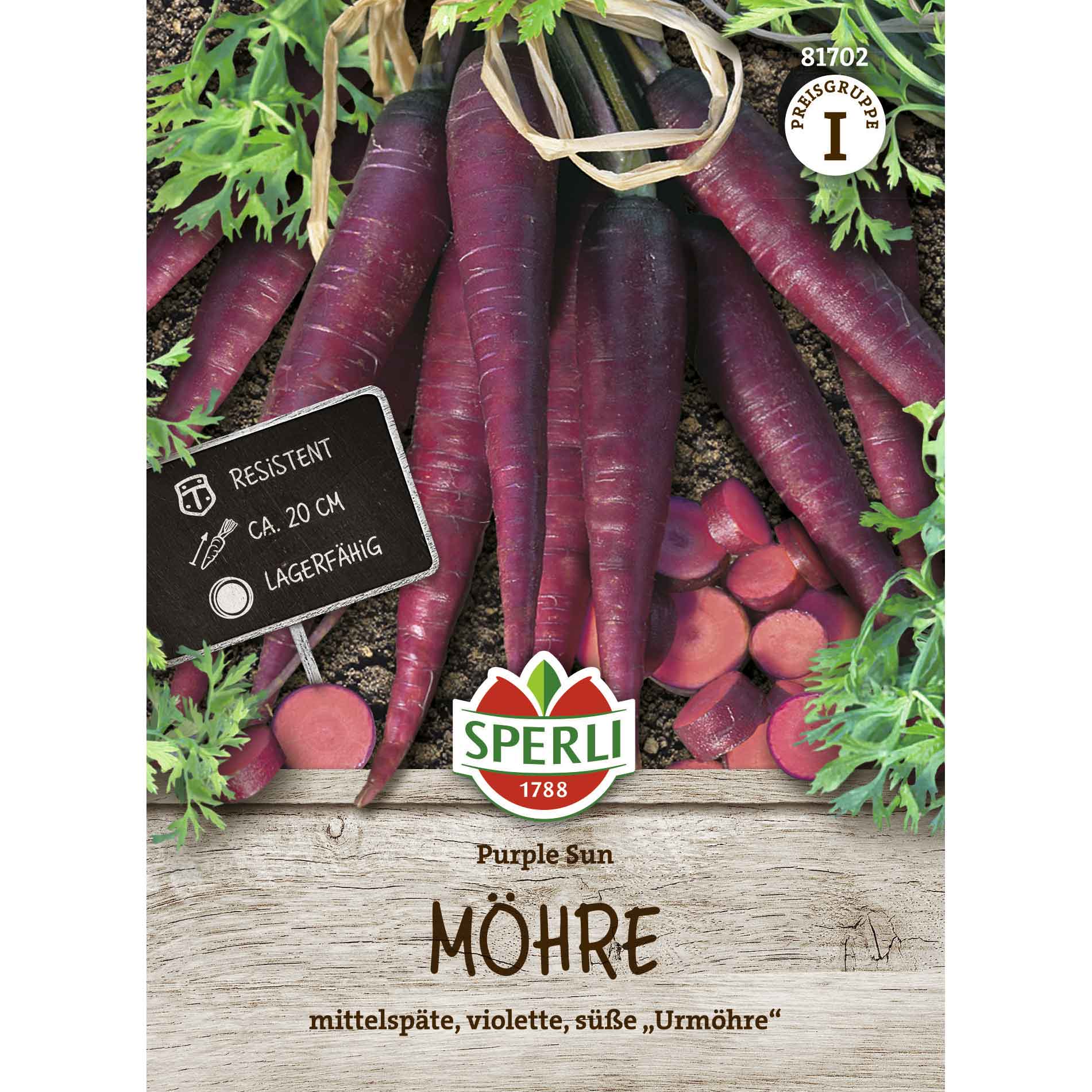


How to grow carrots
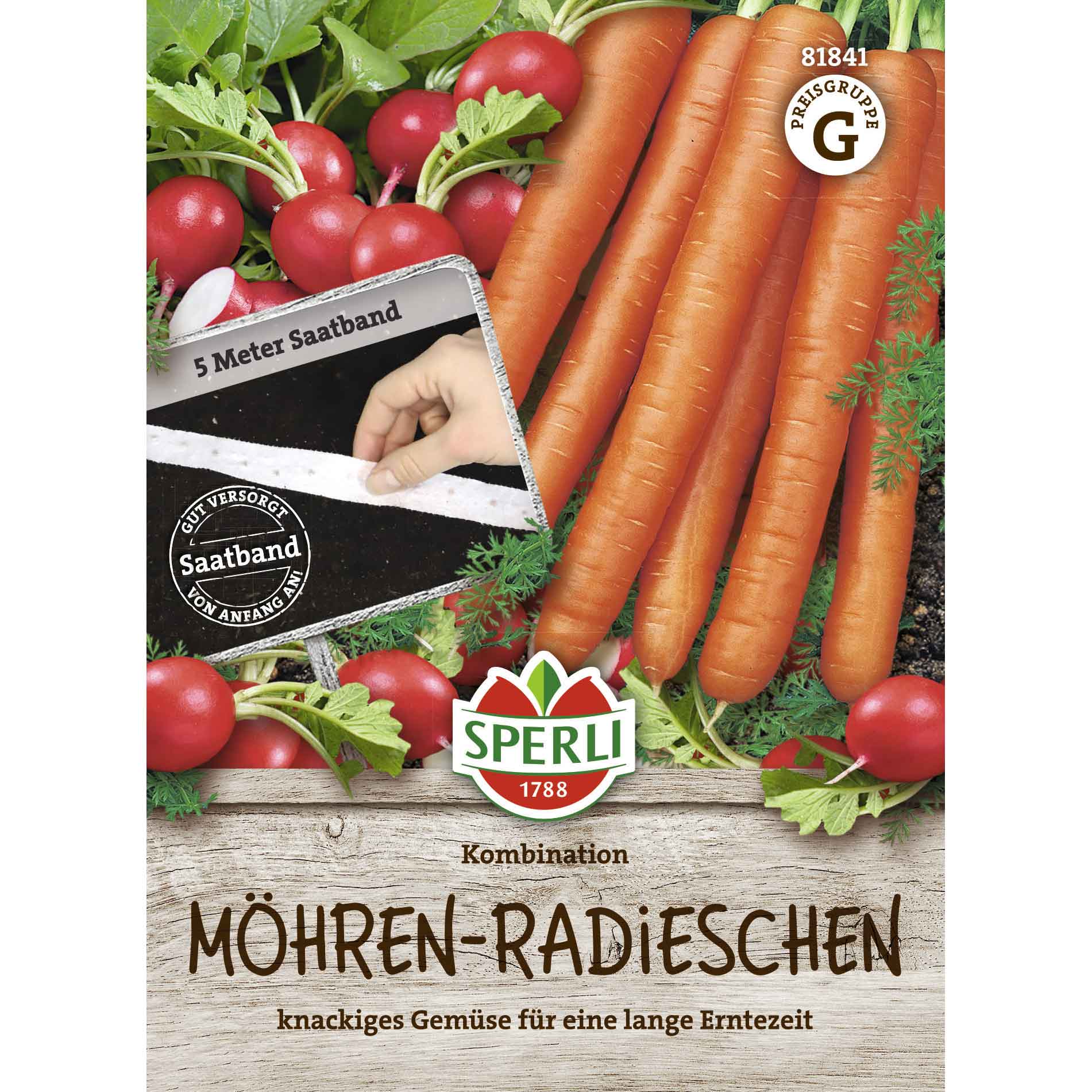
Carrots are one of the most classic and grateful vegetables in the kitchen garden. They thrive best in loose, deep and well-drained soil without stones, so that the roots can develop straight and long. For best results, it is recommended to sow carrot seeds in rows at regular intervals and thin out when the sprouts are a few centimeters high. This ensures that the plants do not compete for nutrients and space.
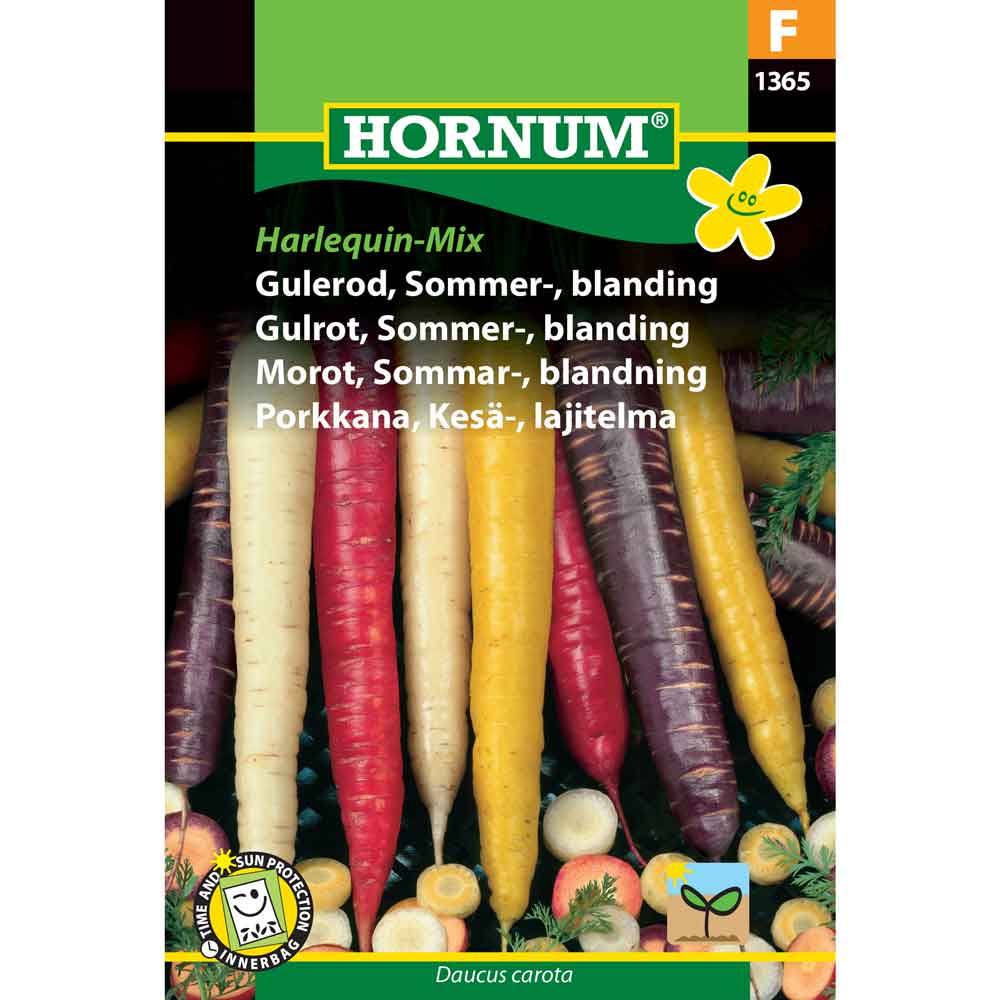
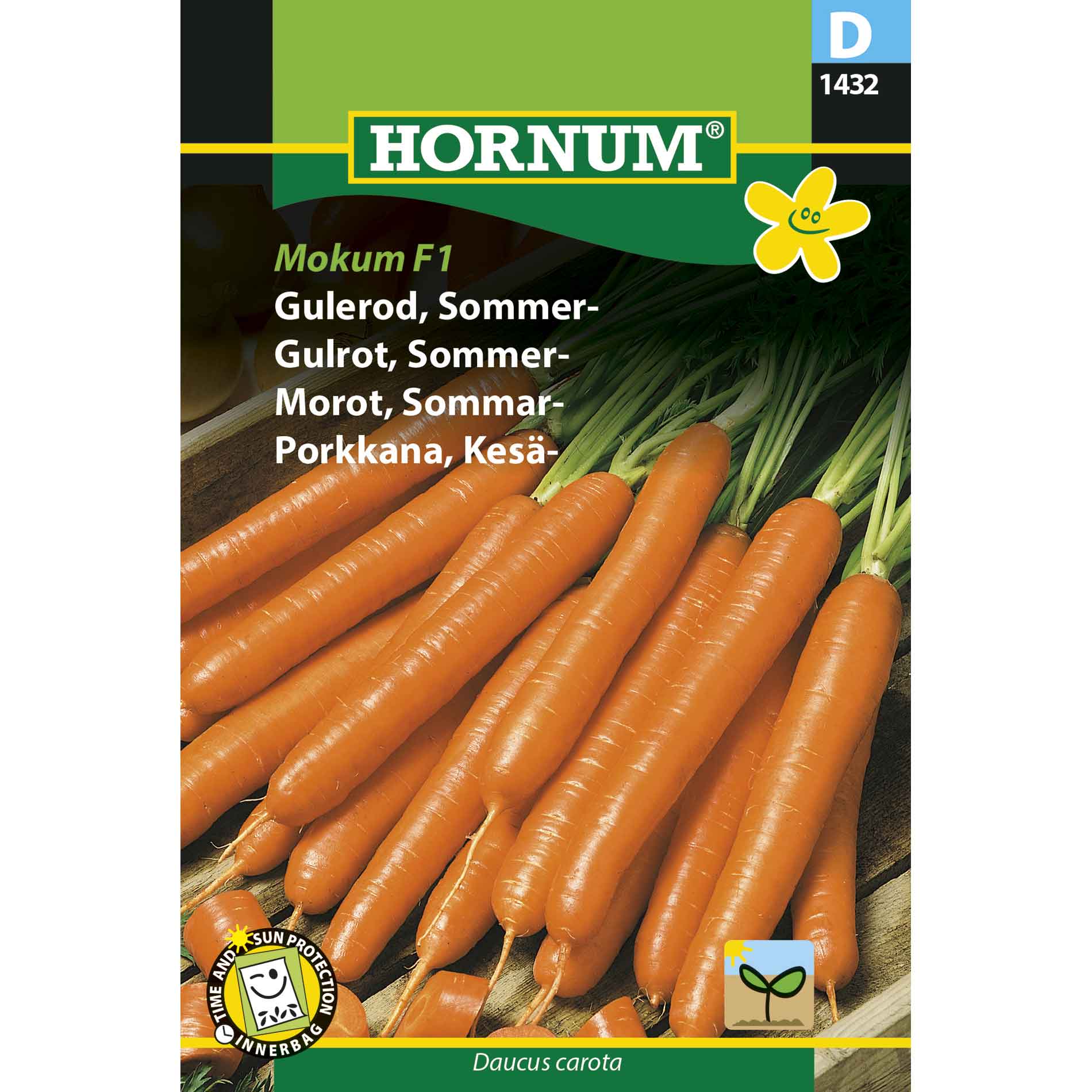
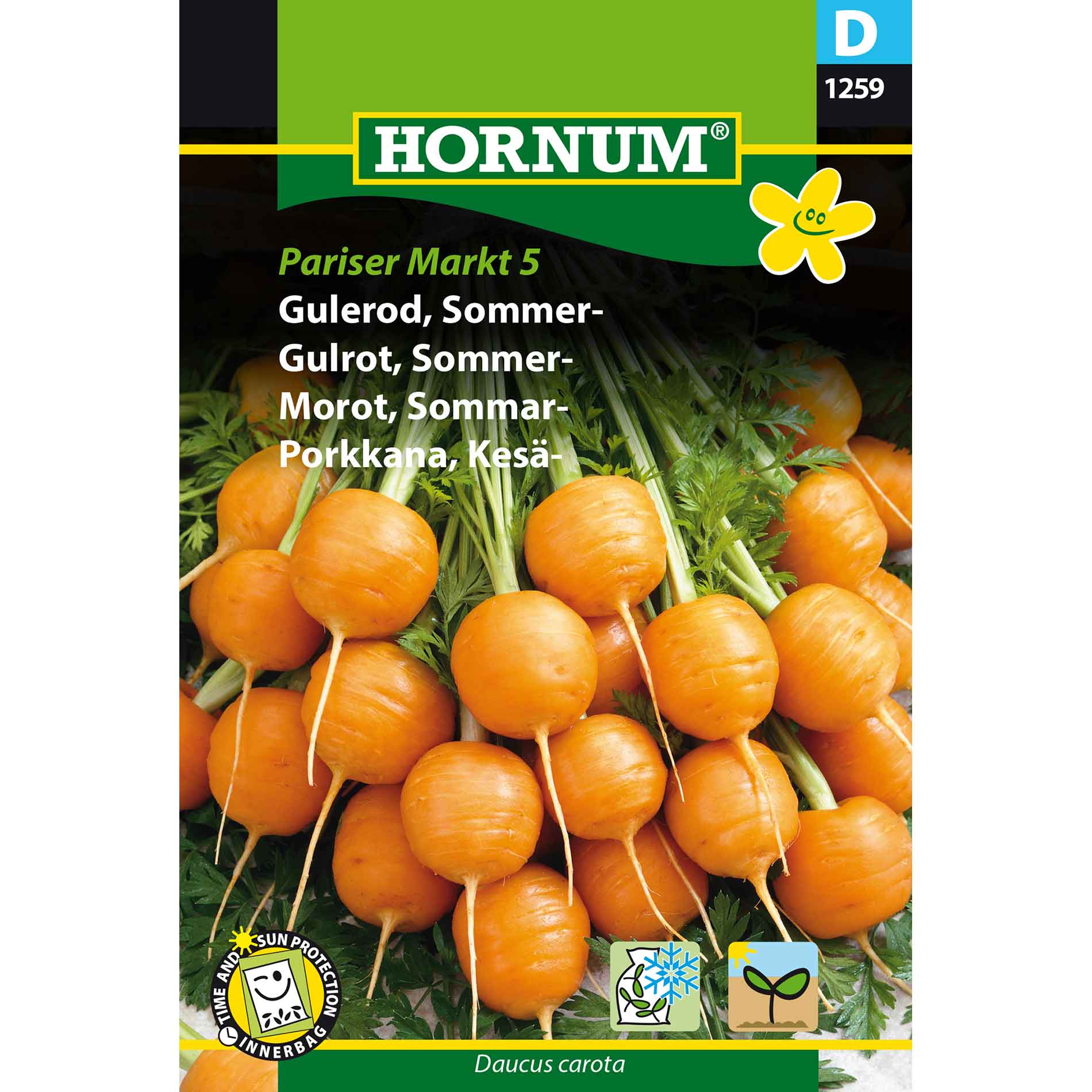
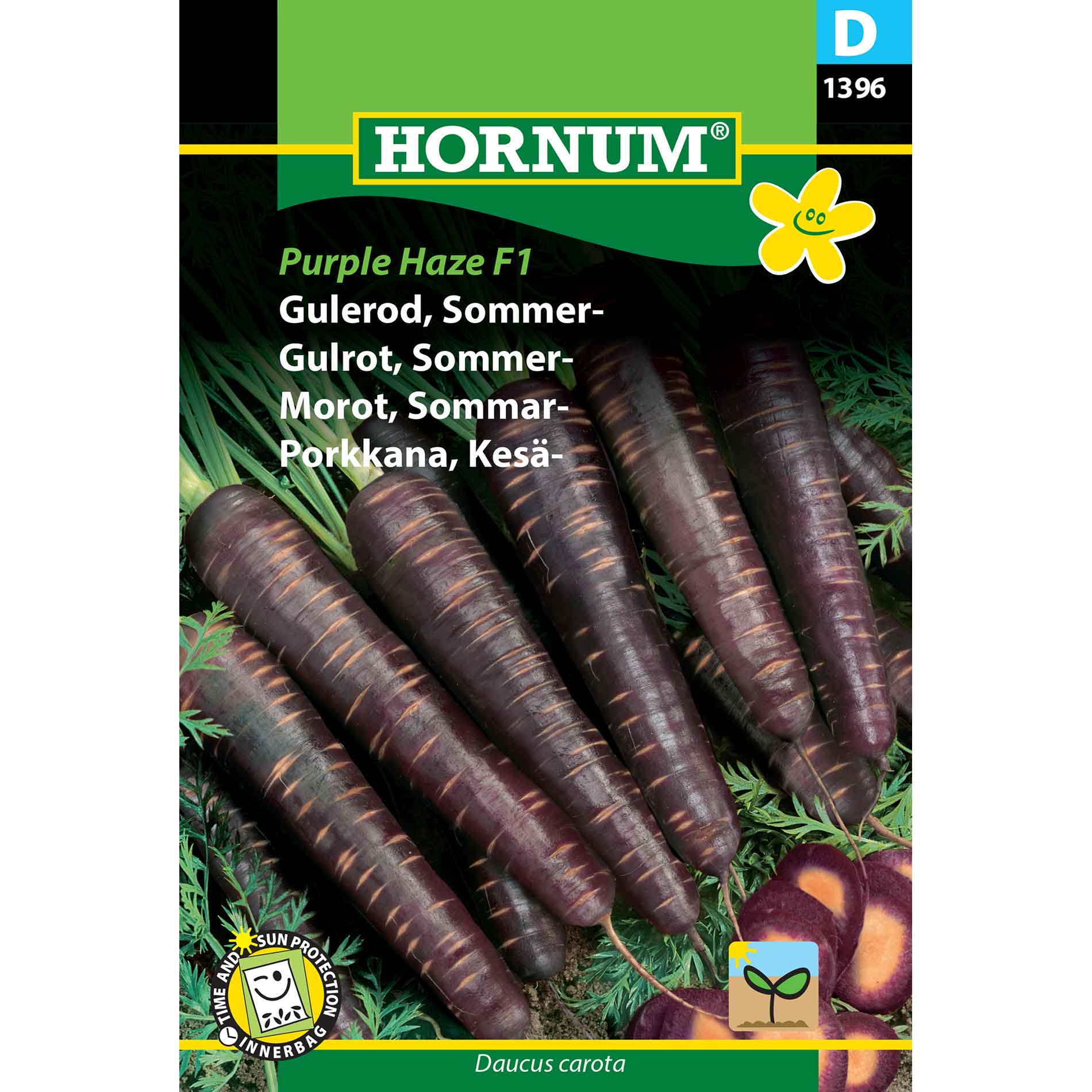
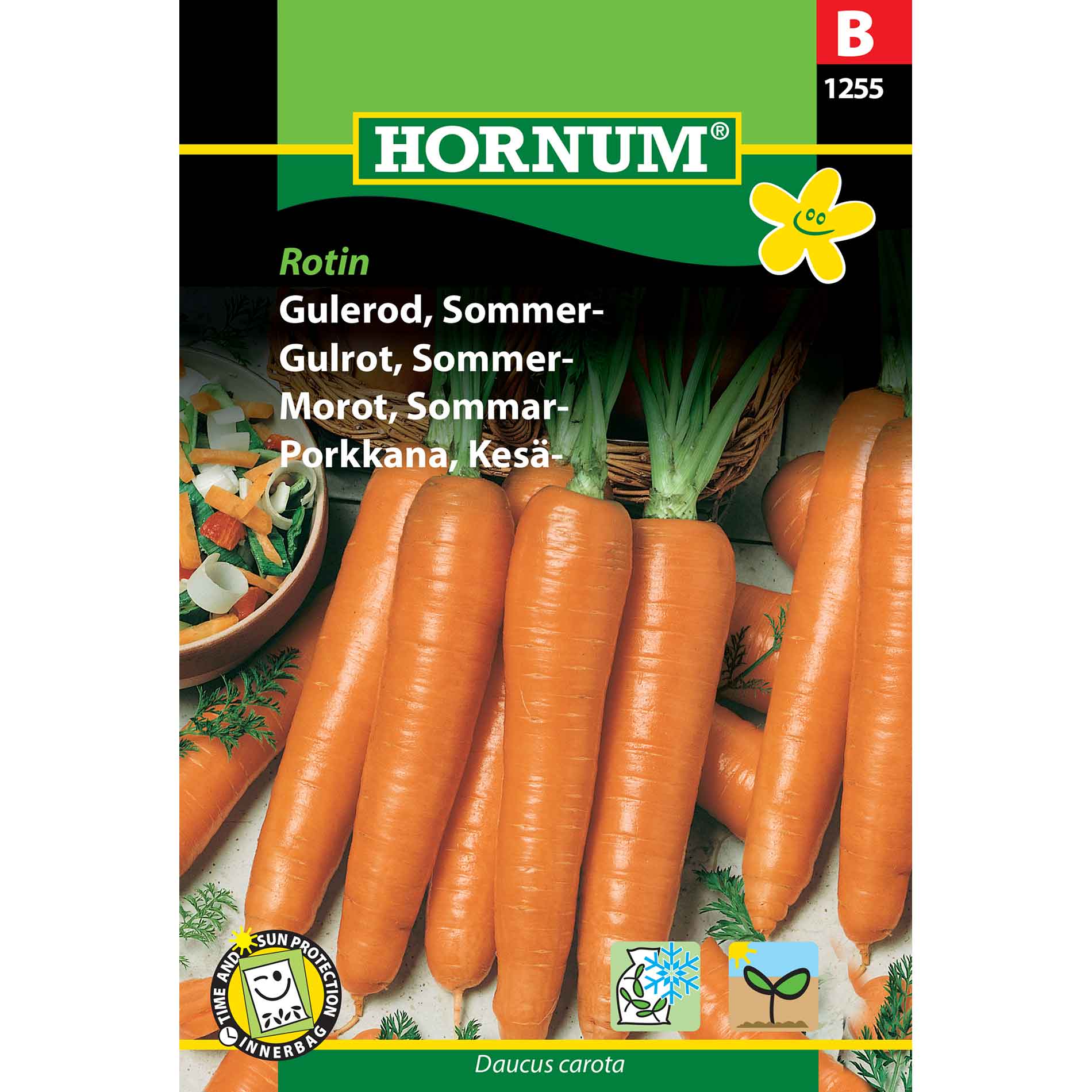
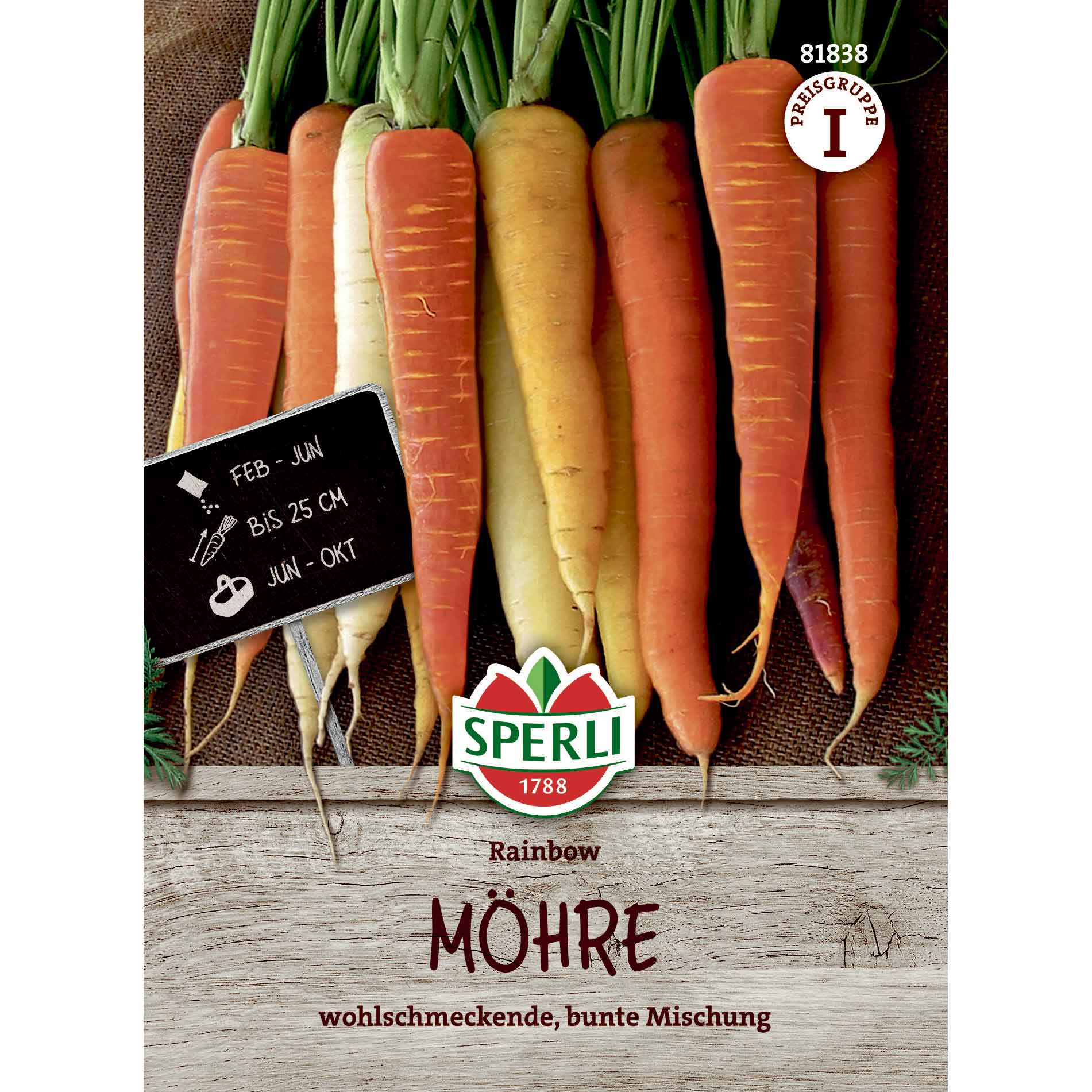
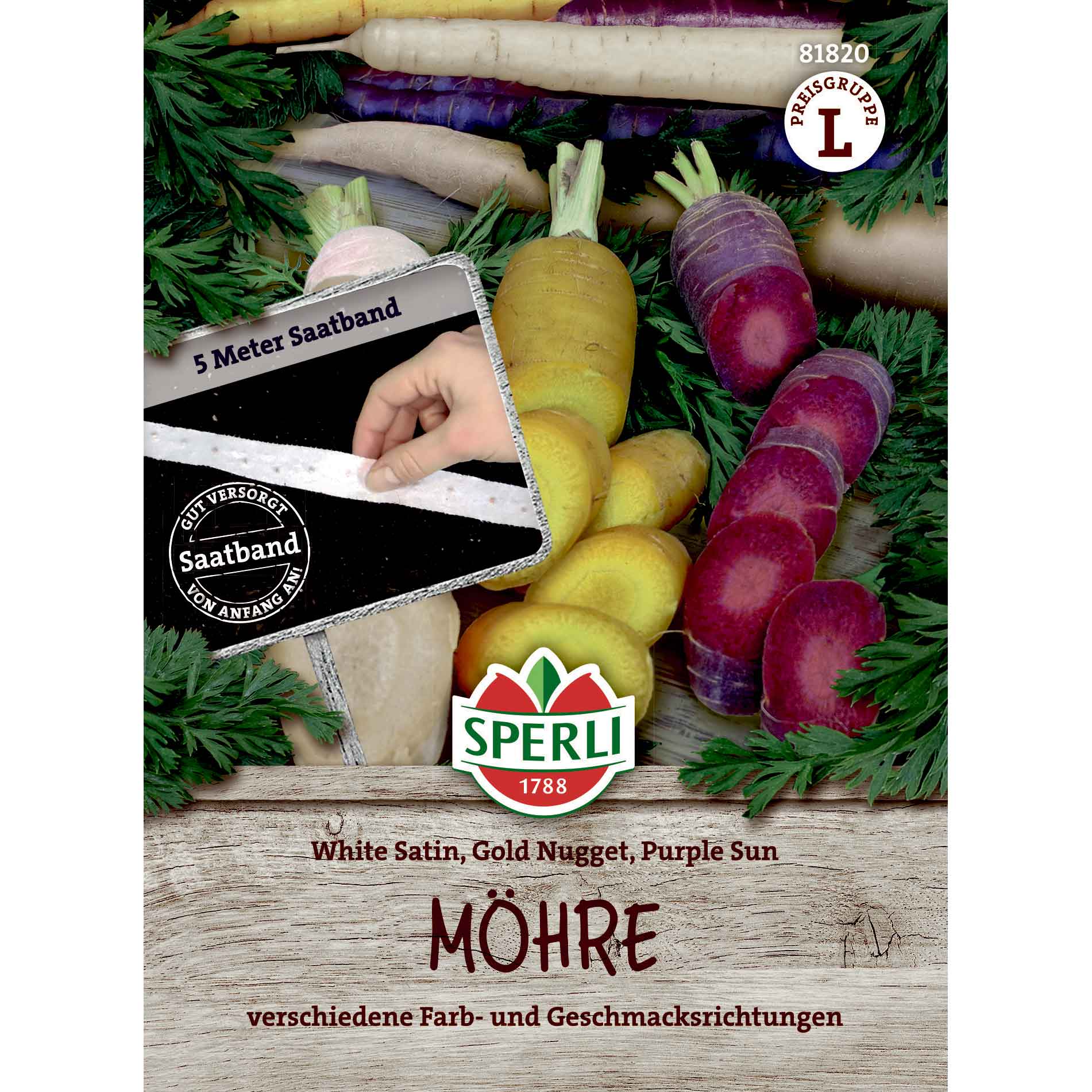
Children love carrots in different colors and they eat more when there are different colors.
Note that the white and yellow ones are not as sweet as the regular orange ones.
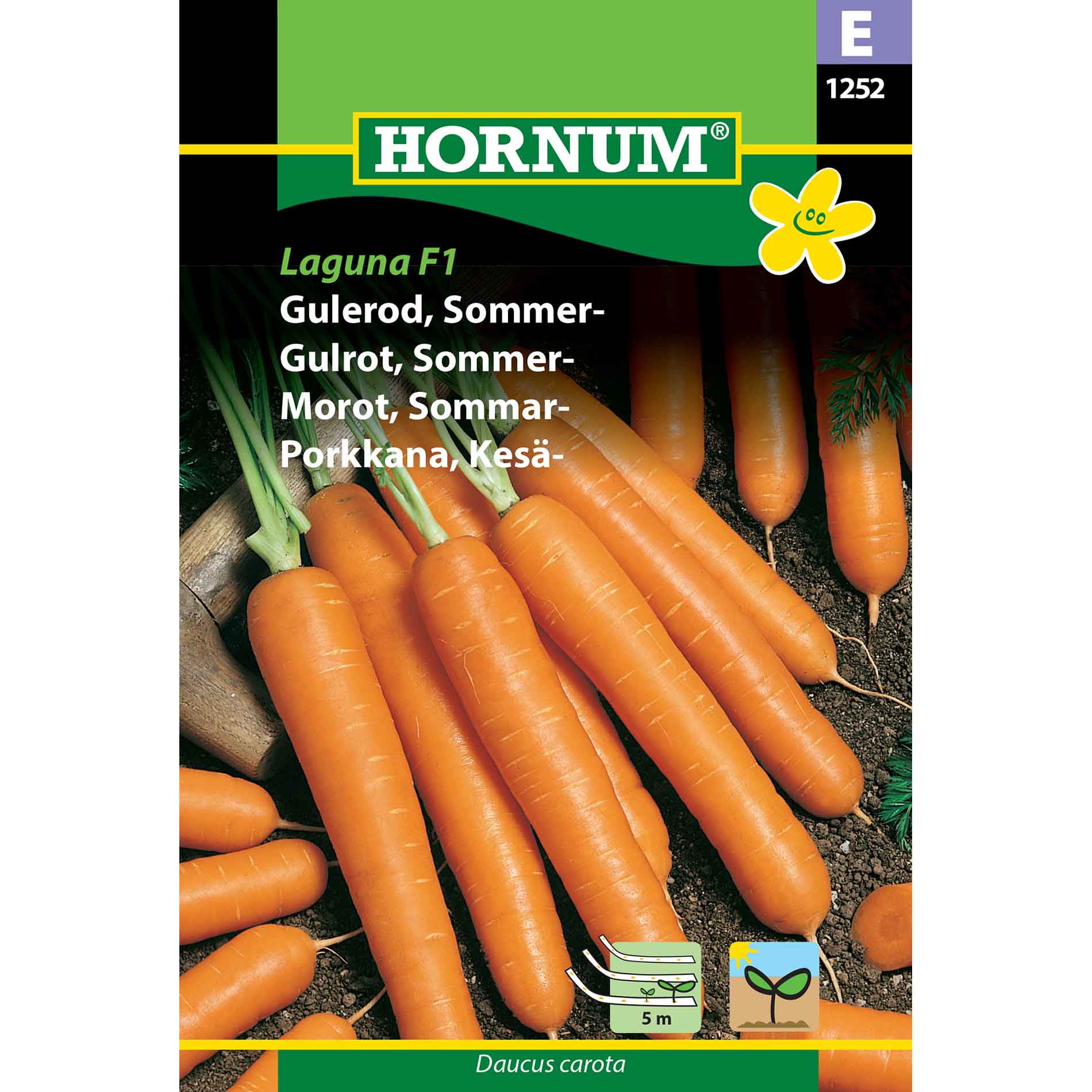
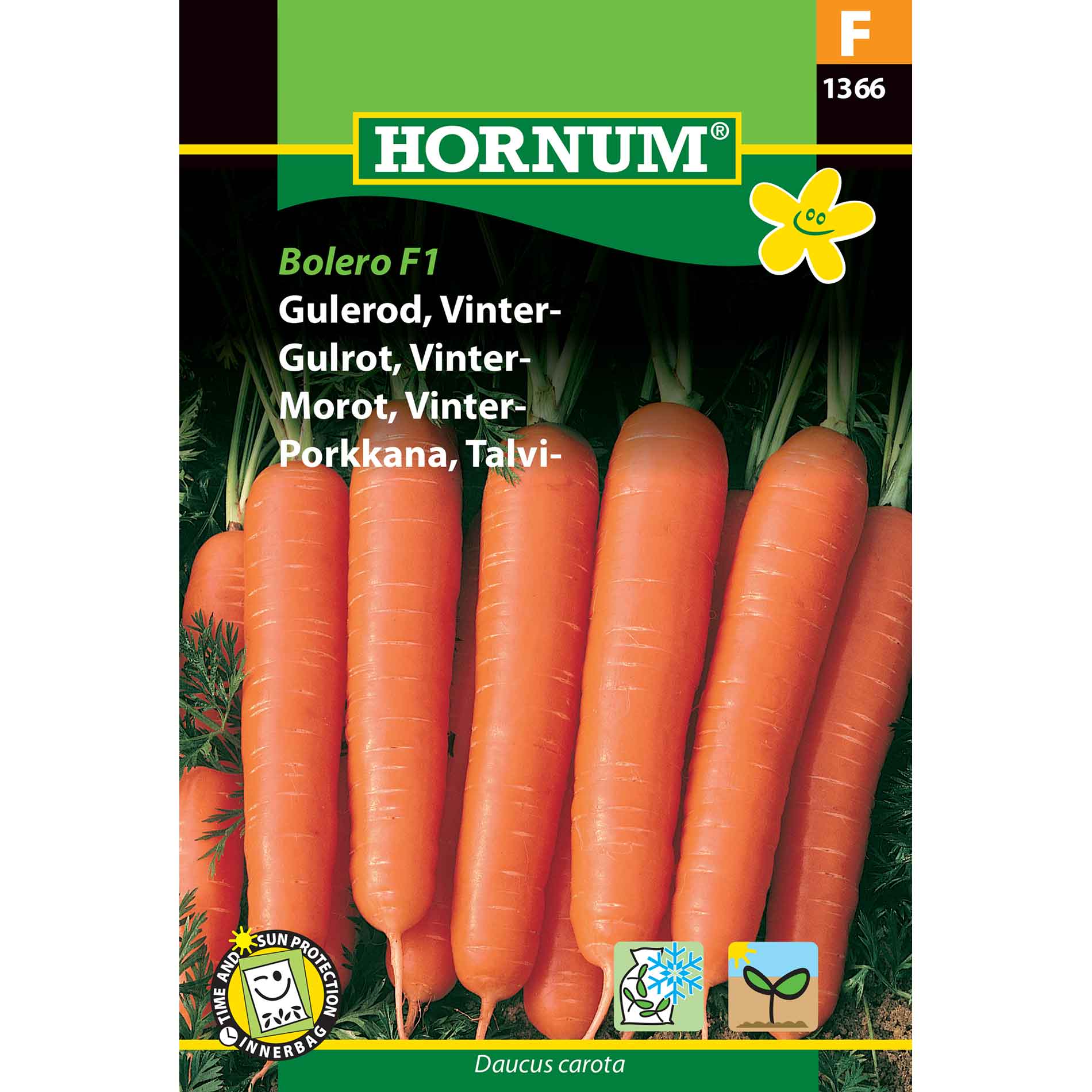
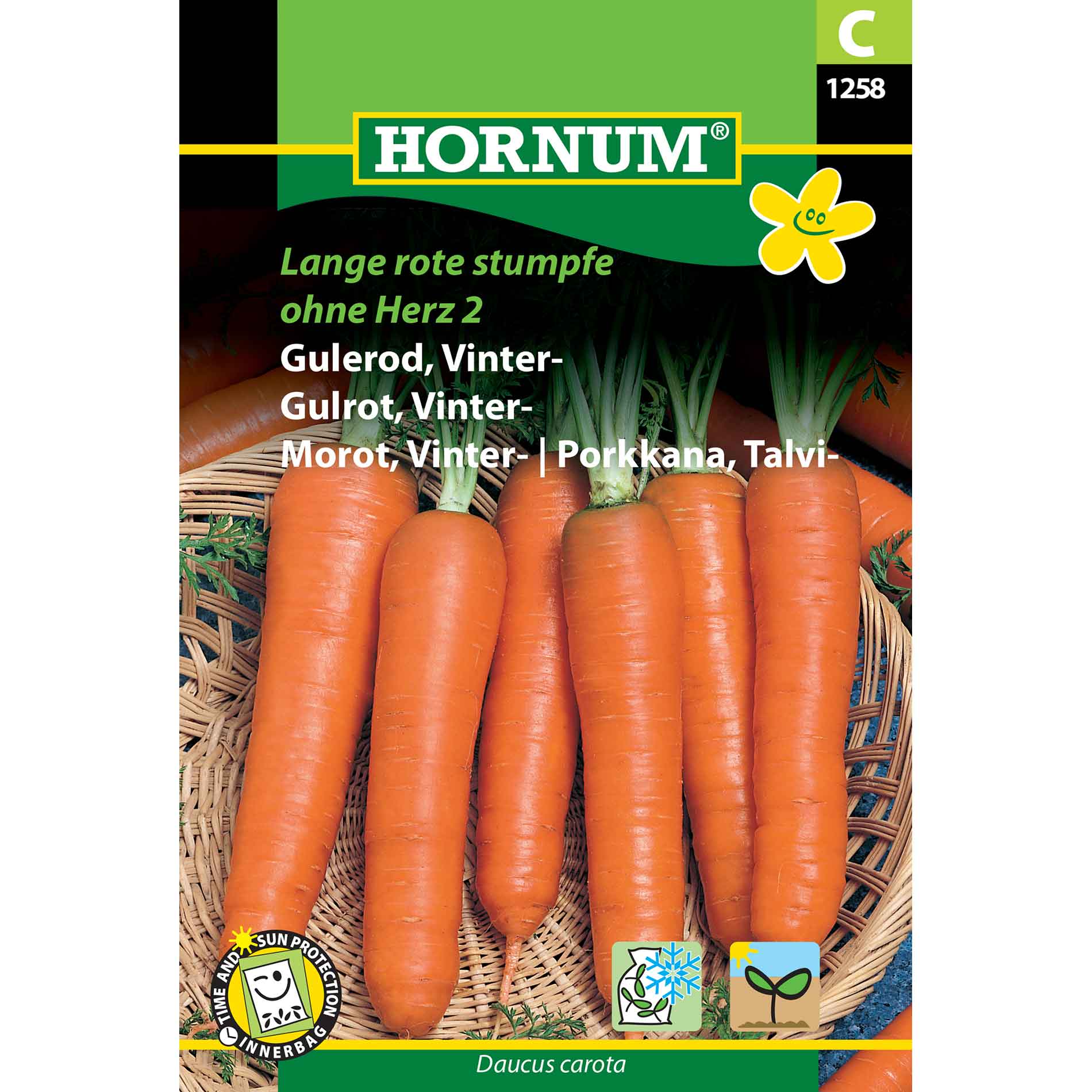
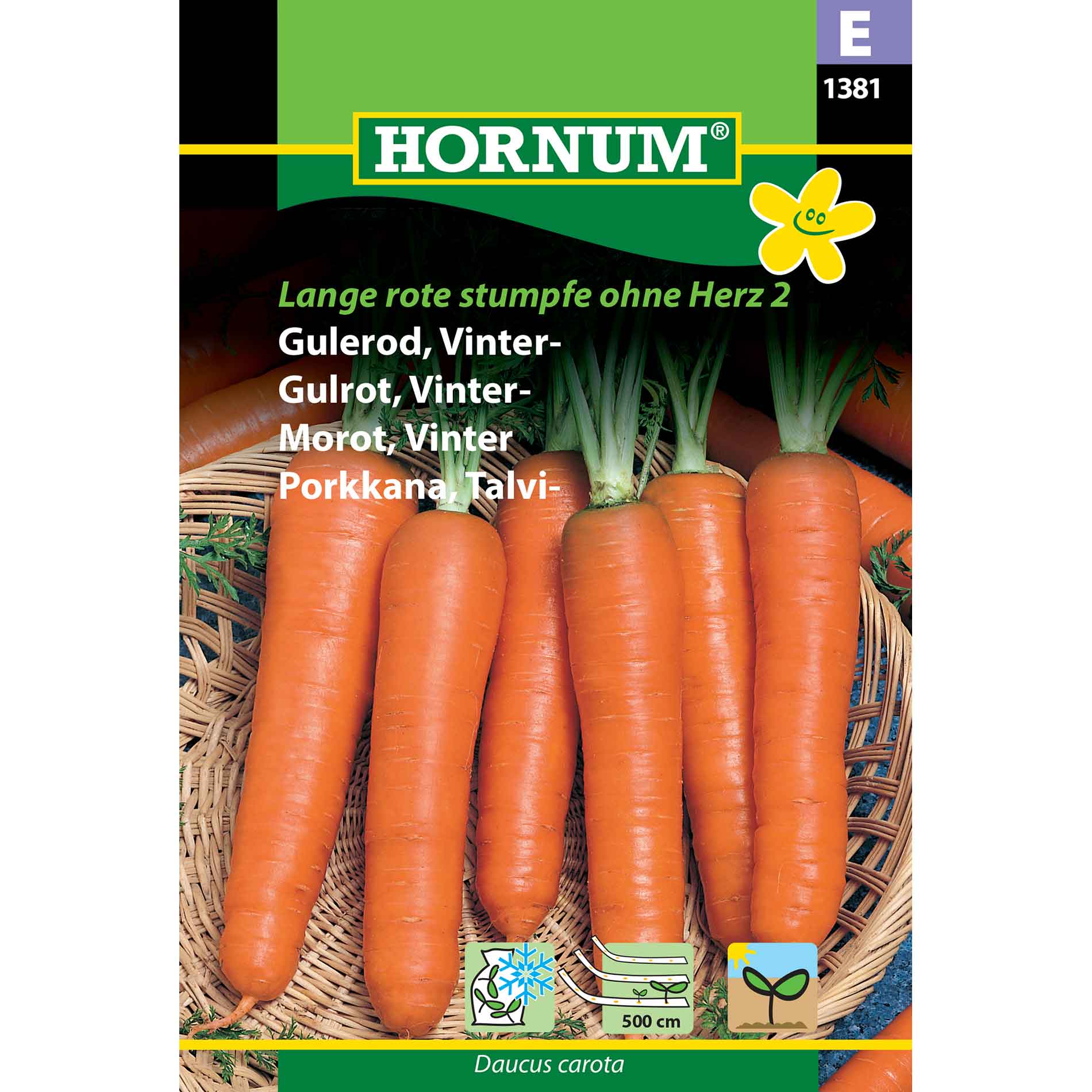
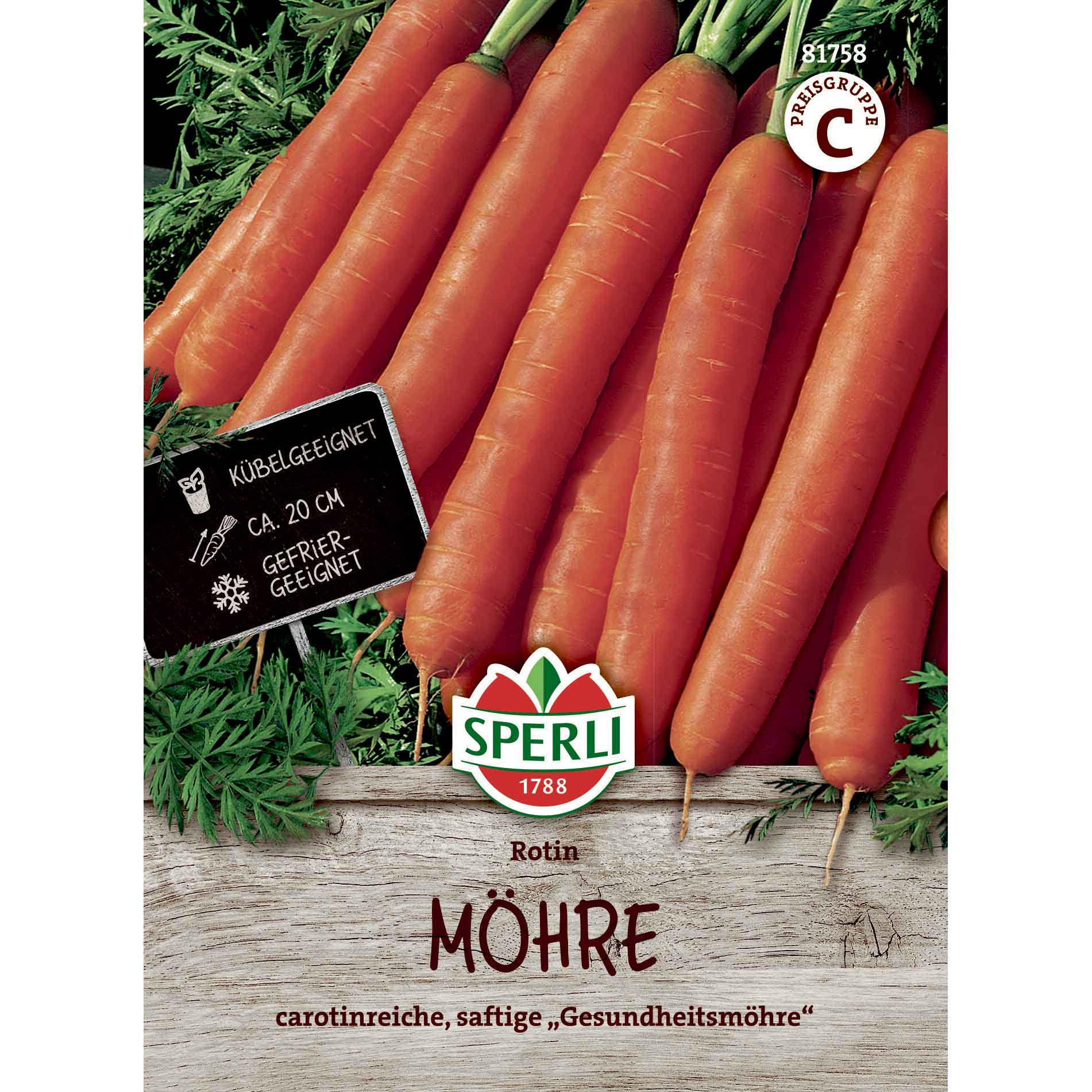
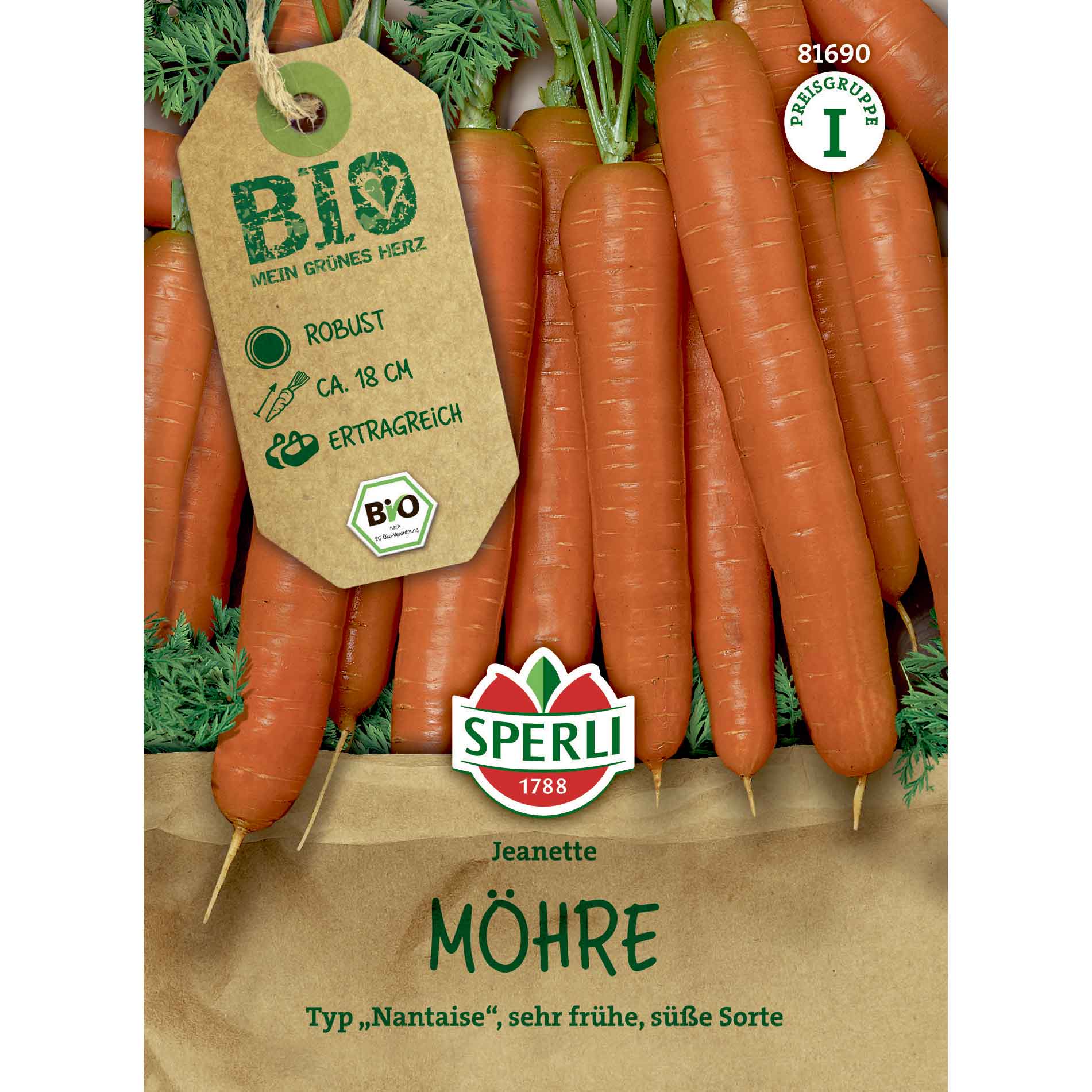
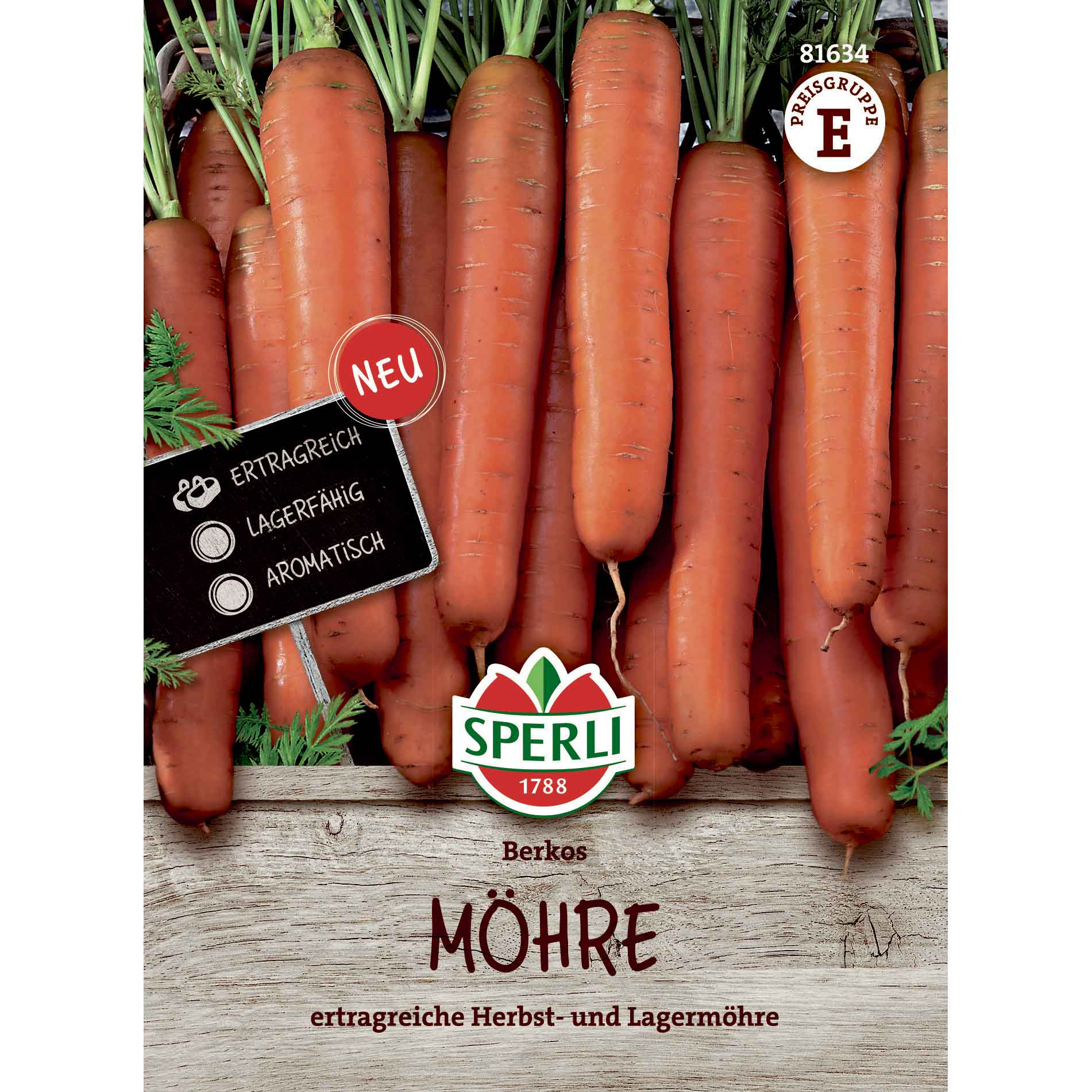
Summer carrots grow quickly and can be eaten early. Winter carrots grow a little slower, but can be left in the ground, possibly covered with straw, all winter.
Tips for growing carrots
Carrot seeds are sown directly in the open ground in March-April. It is advisable to sow them every other row between the seedlings, this will reduce the attack of onion flies, which cause worms in carrots. You can cover the carrots with netting to avoid worms, but we only think it is necessary if there is experience that it is a problem.
Carrots require regular watering, especially during dry periods, to avoid stringy or cracked roots. At the same time, a layer of compost or light fertilizer at planting can improve growth and produce juicy, sweet roots.