
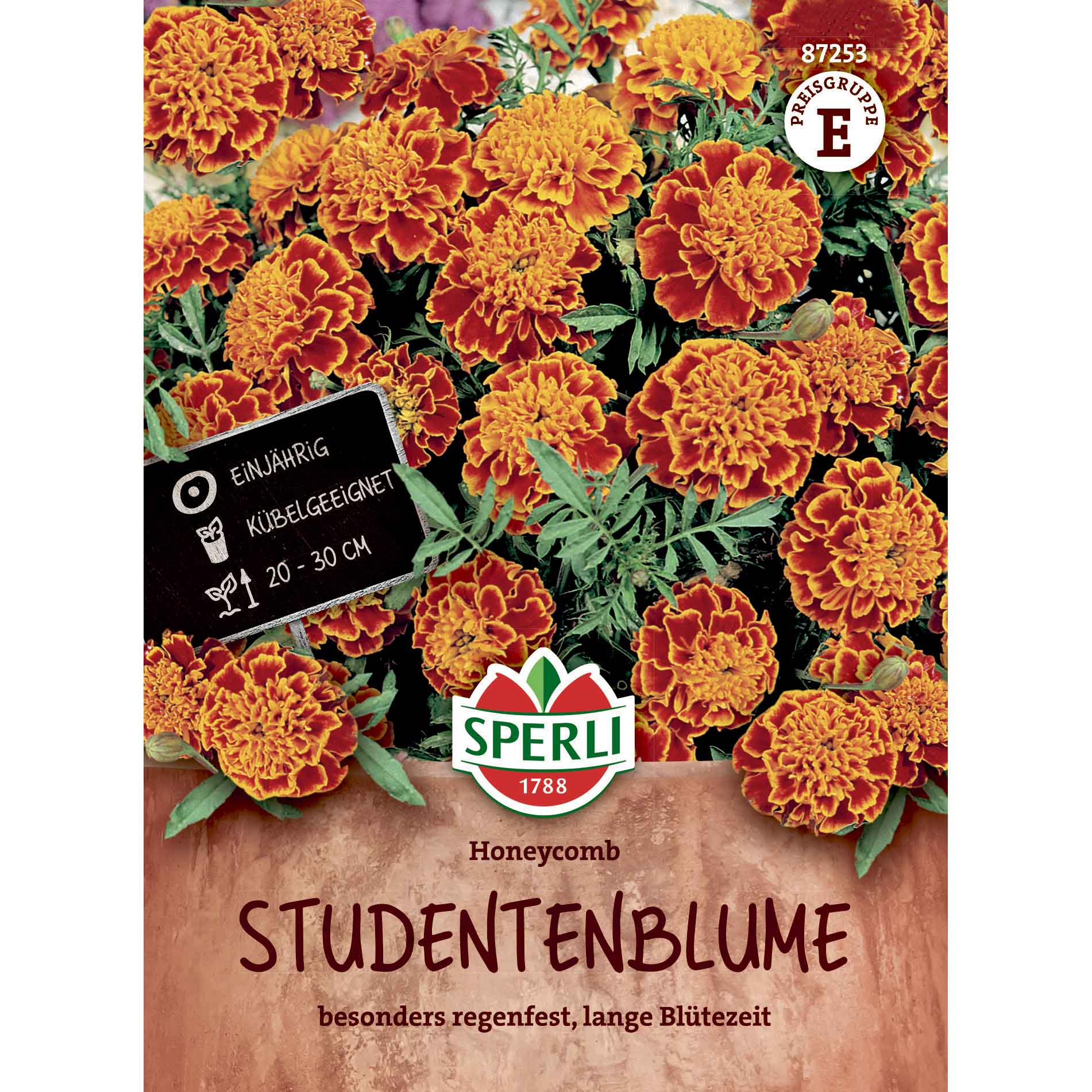

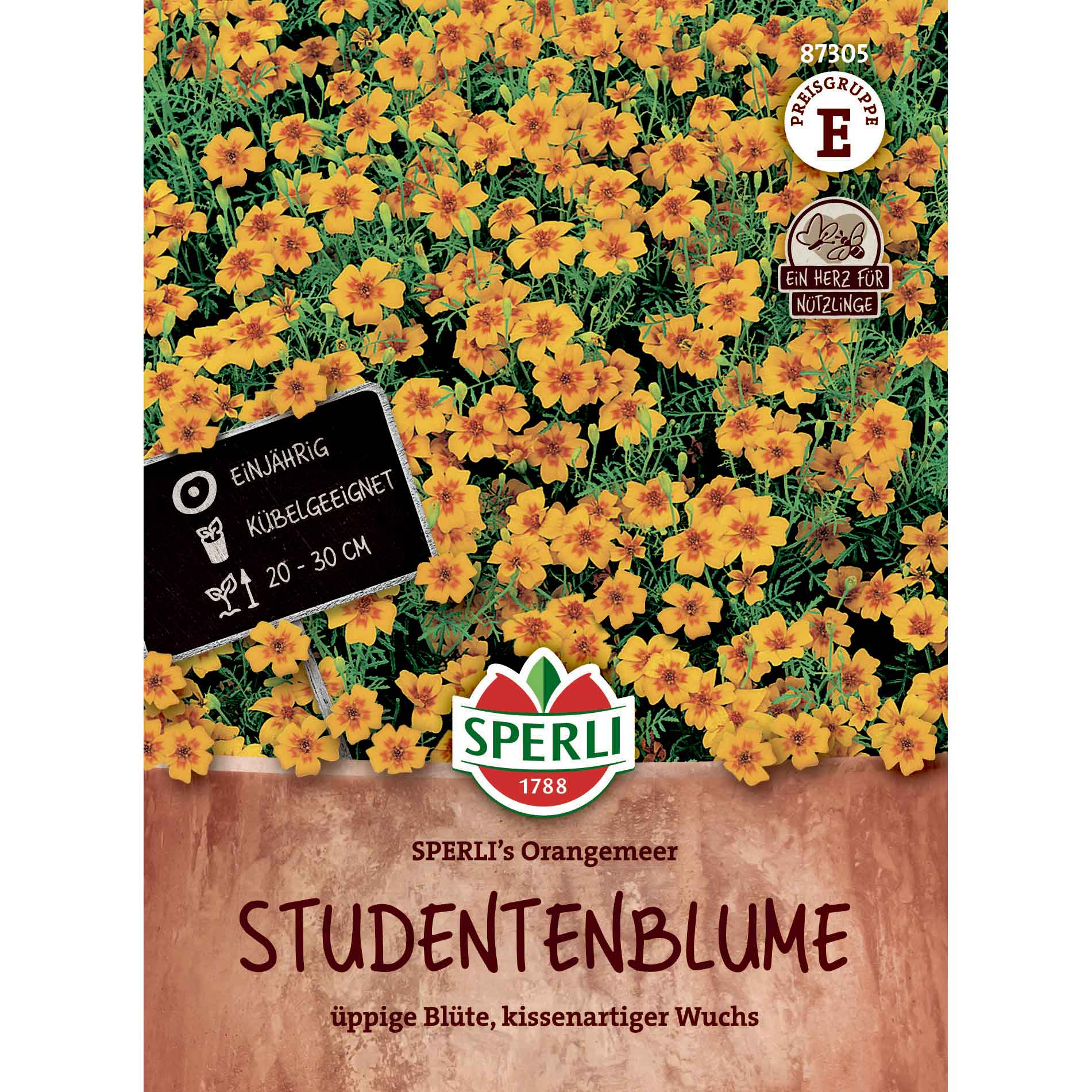
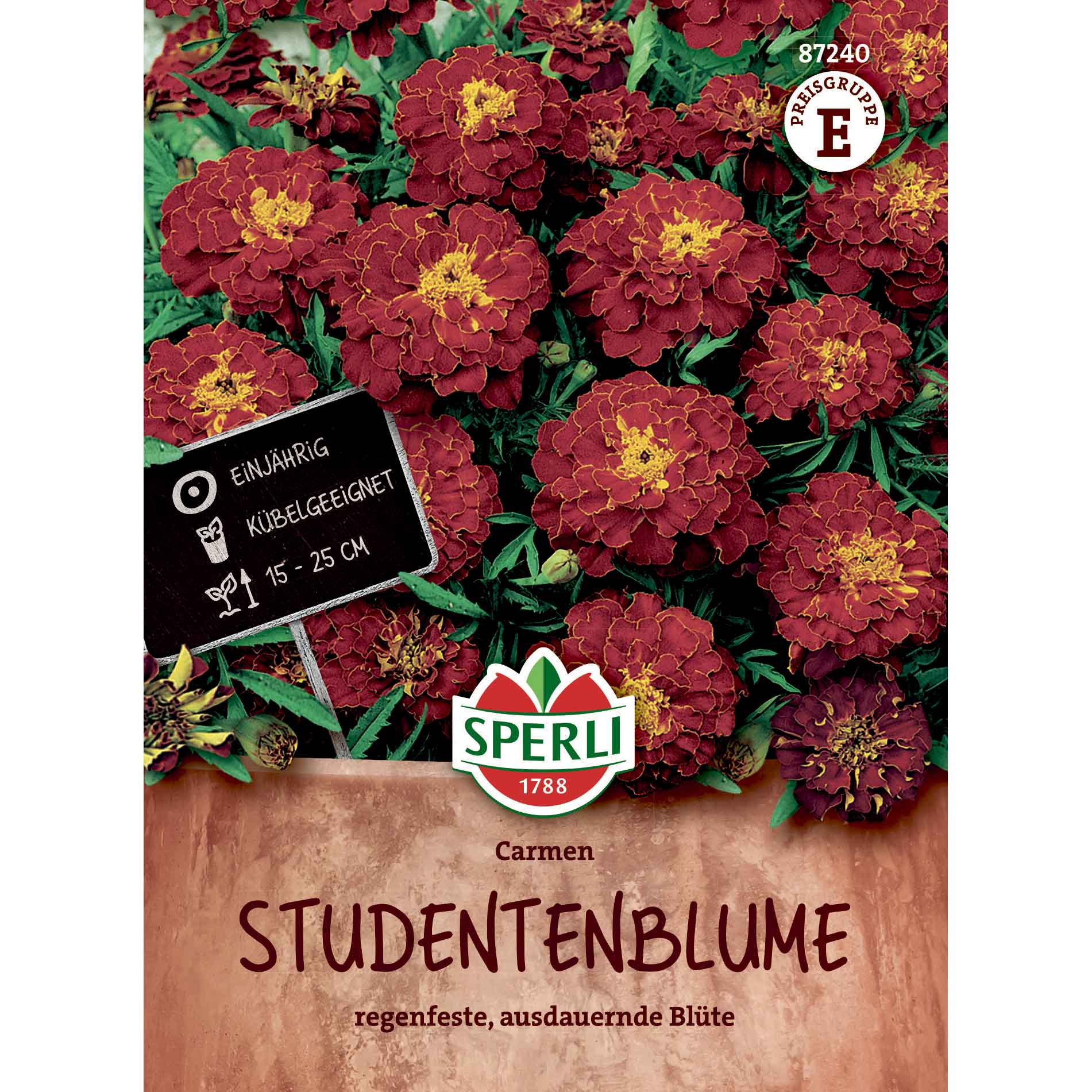
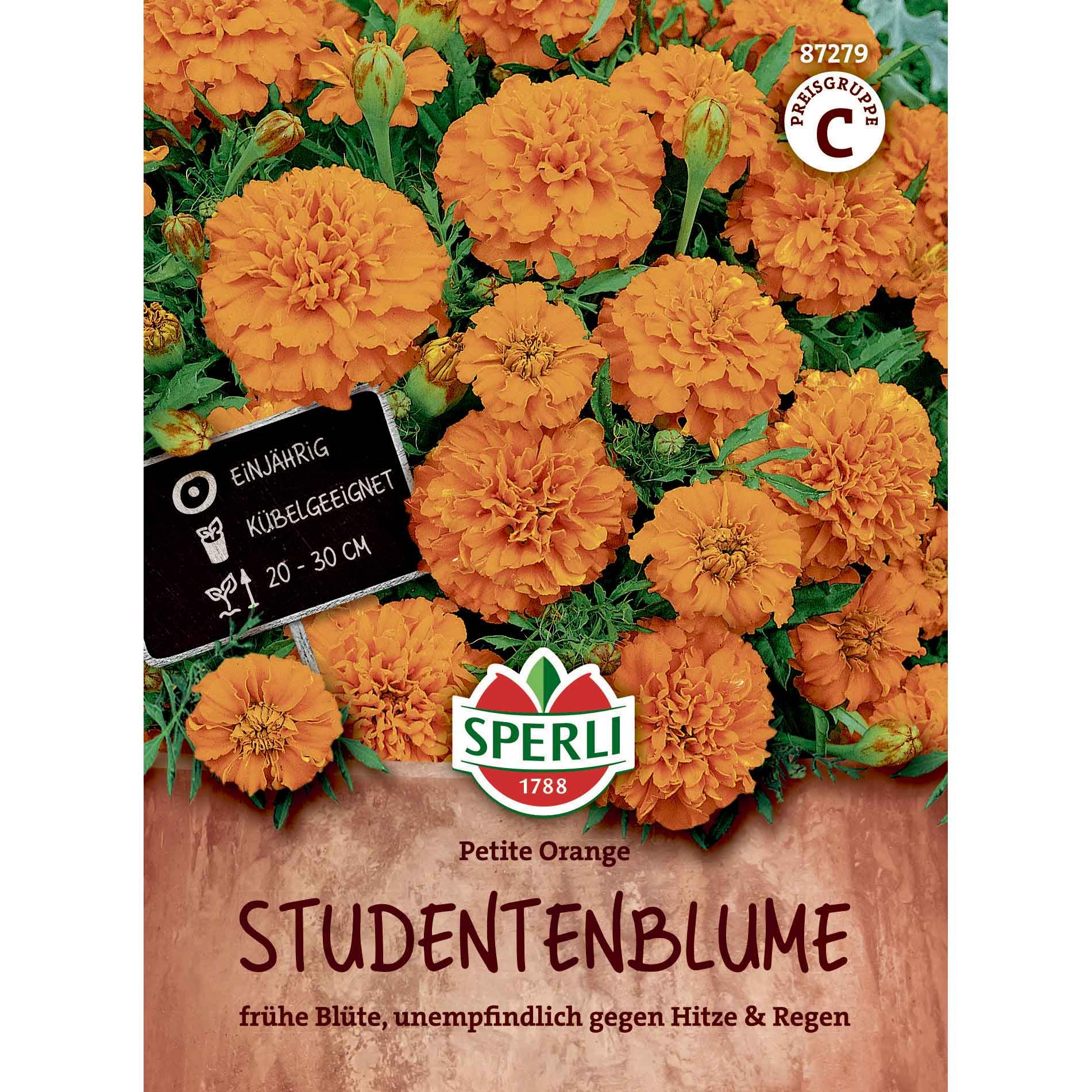
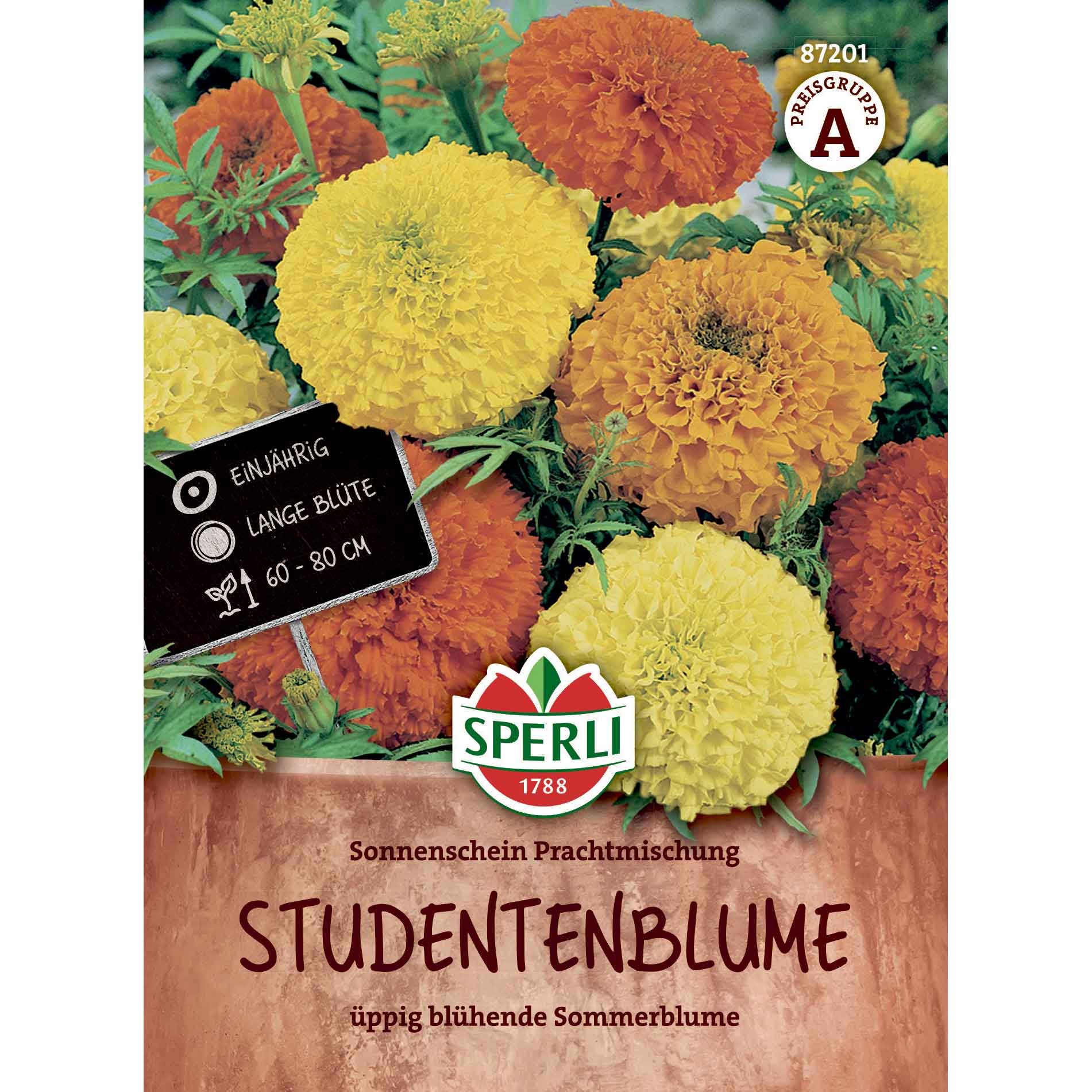
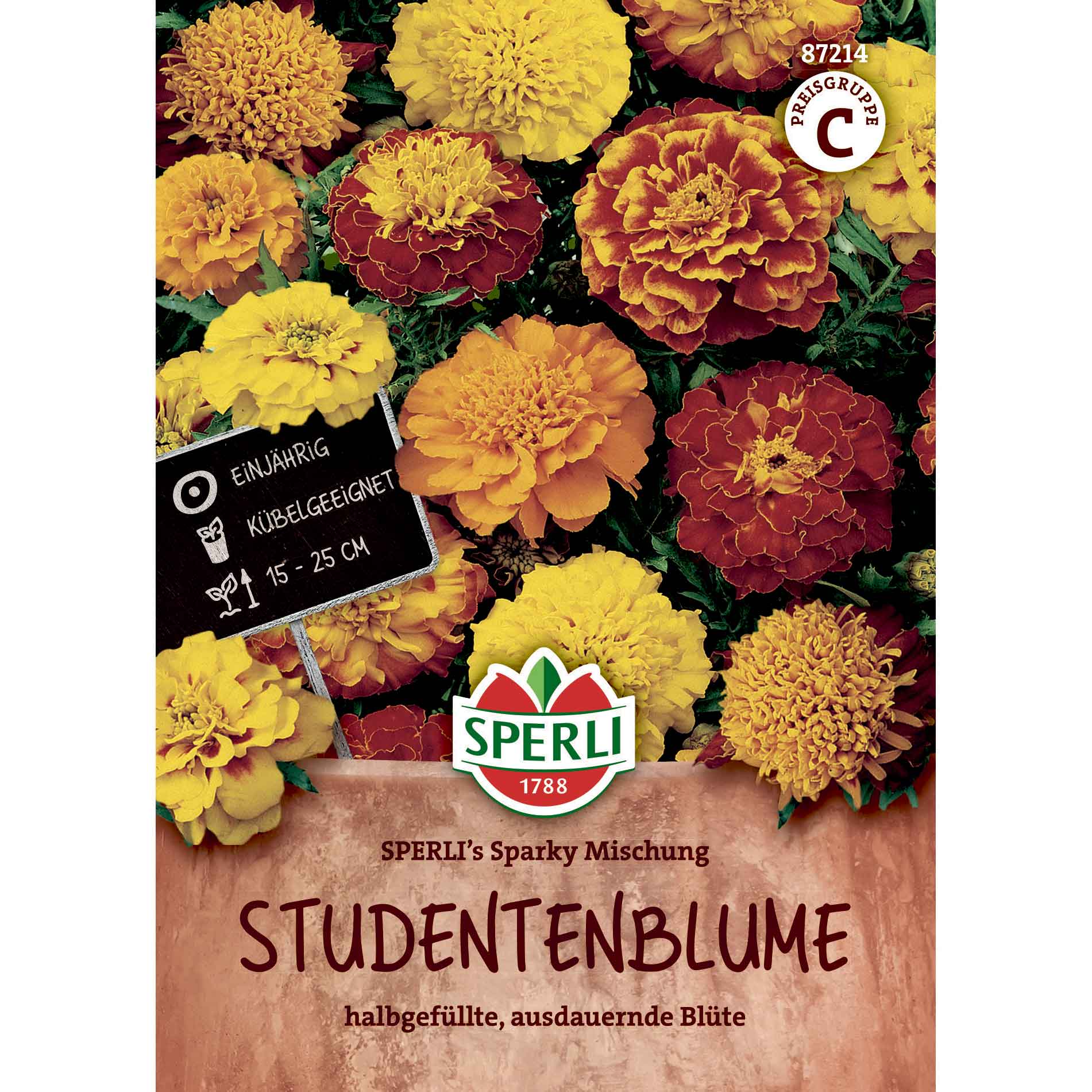
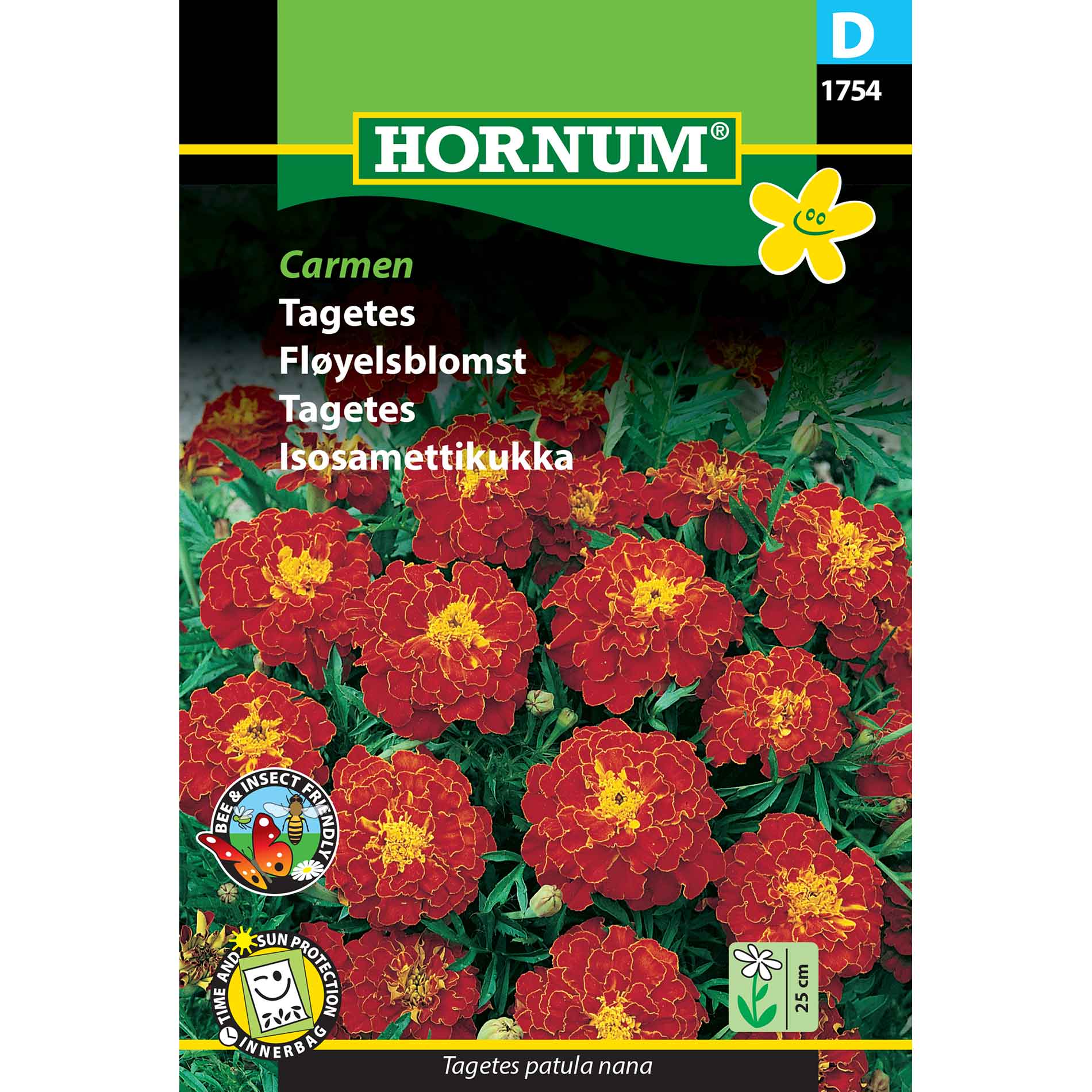
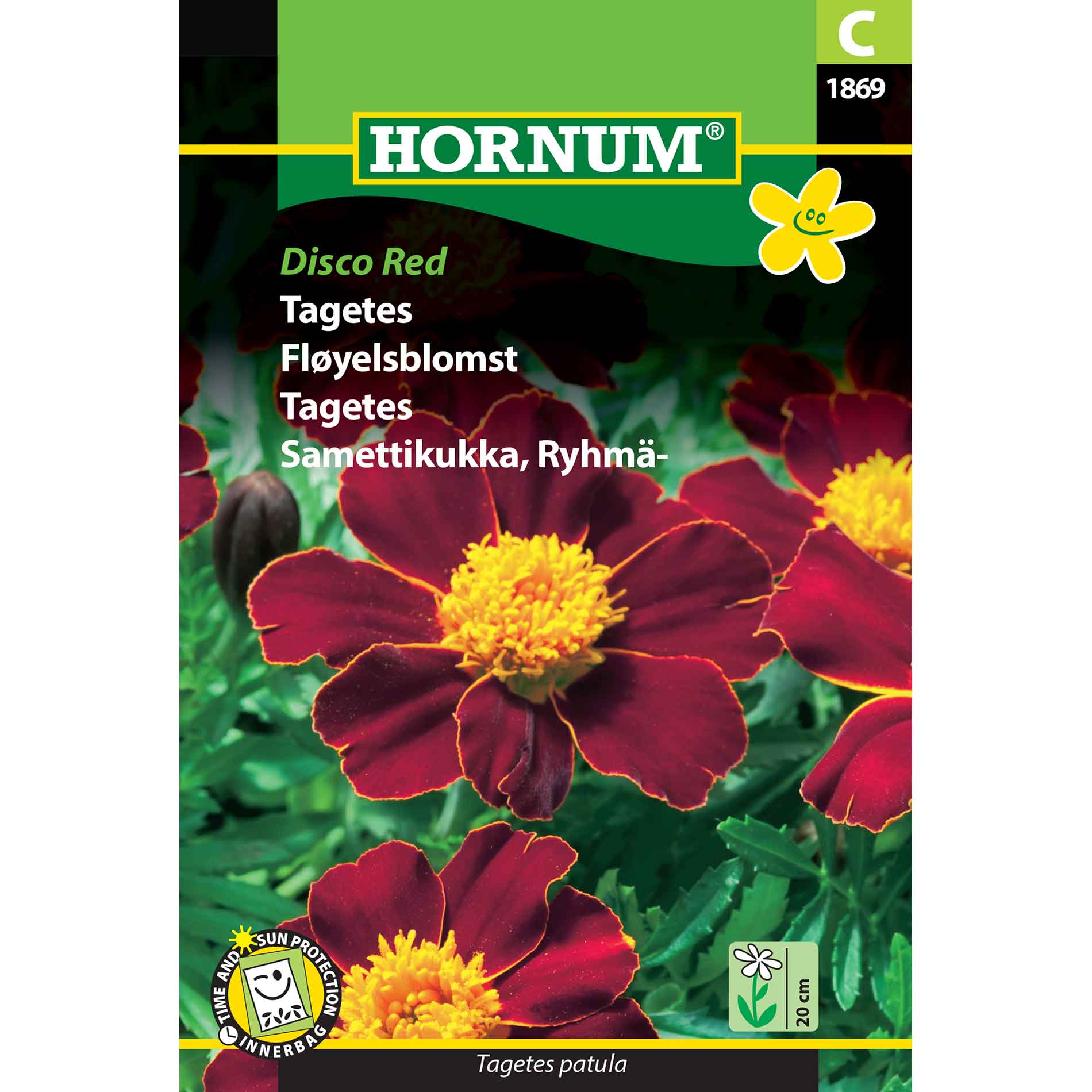

Why choose Tagetes (marigold) in the garden?
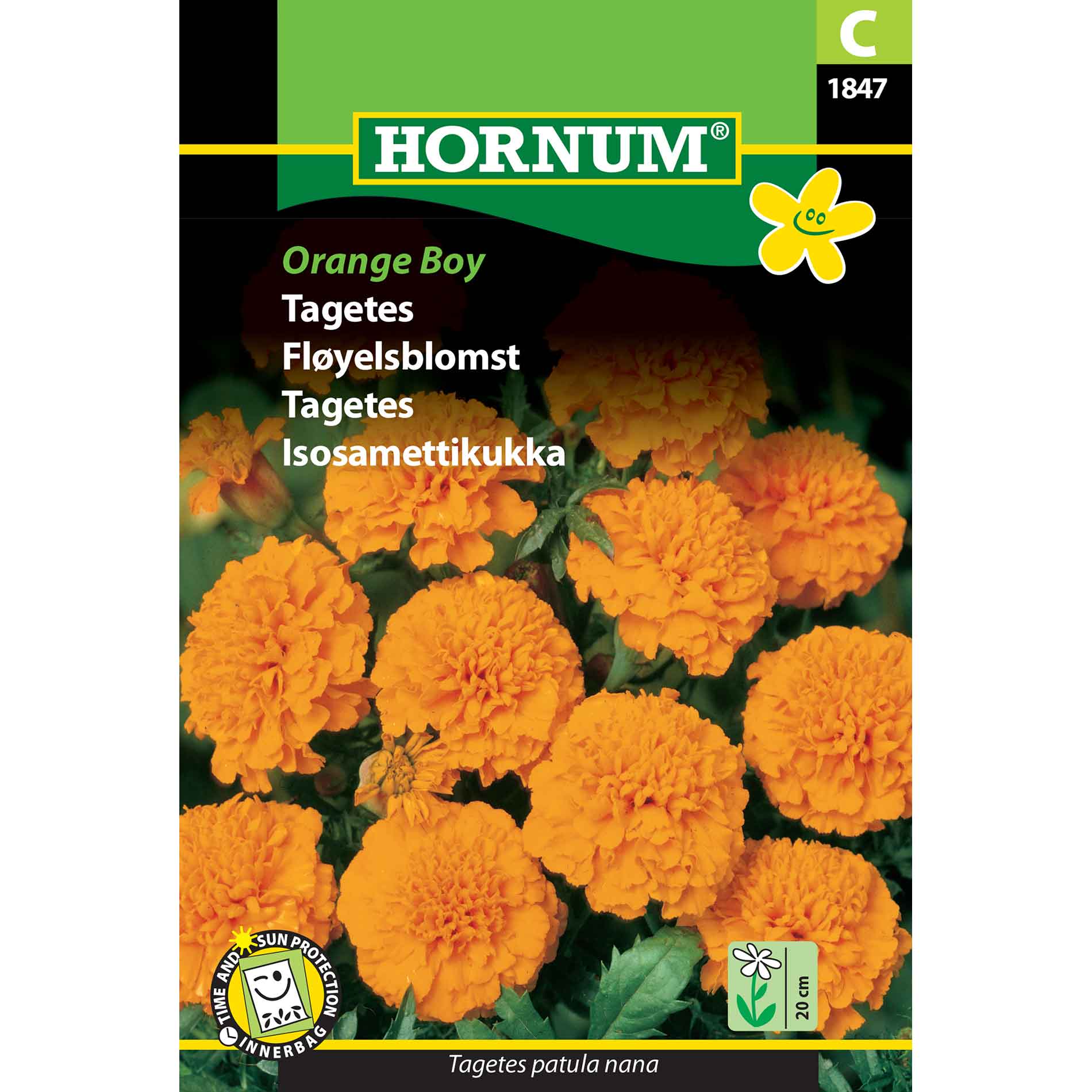
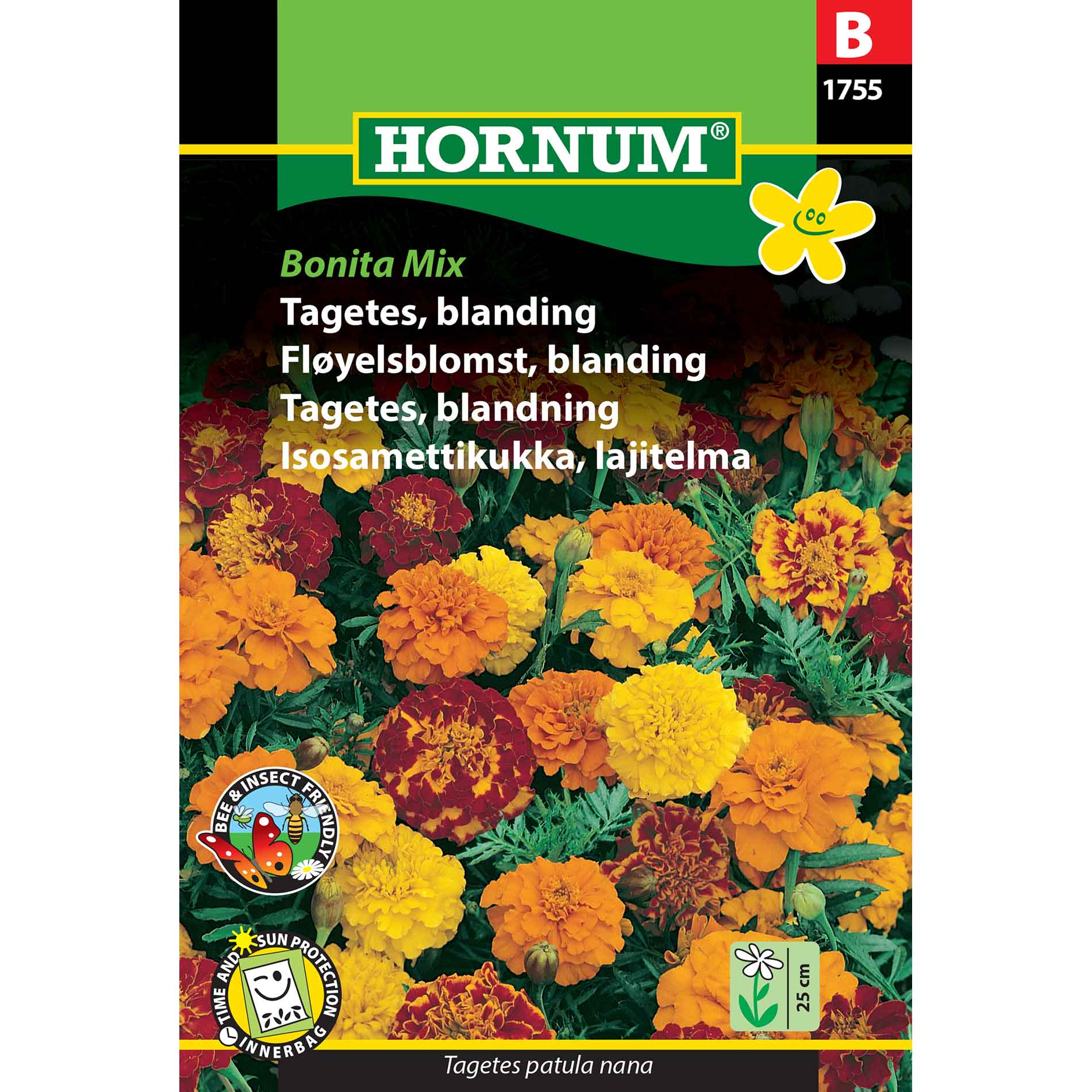
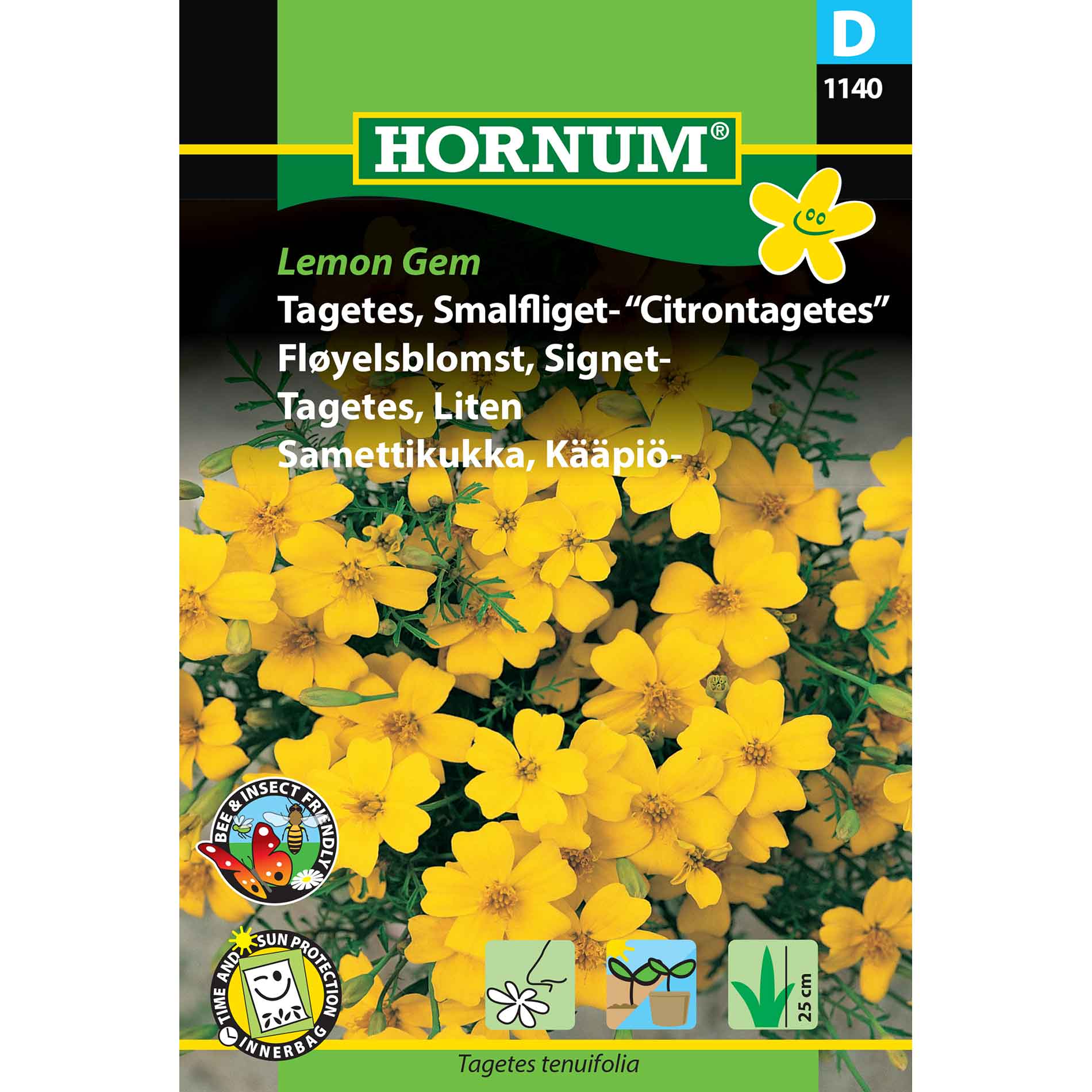
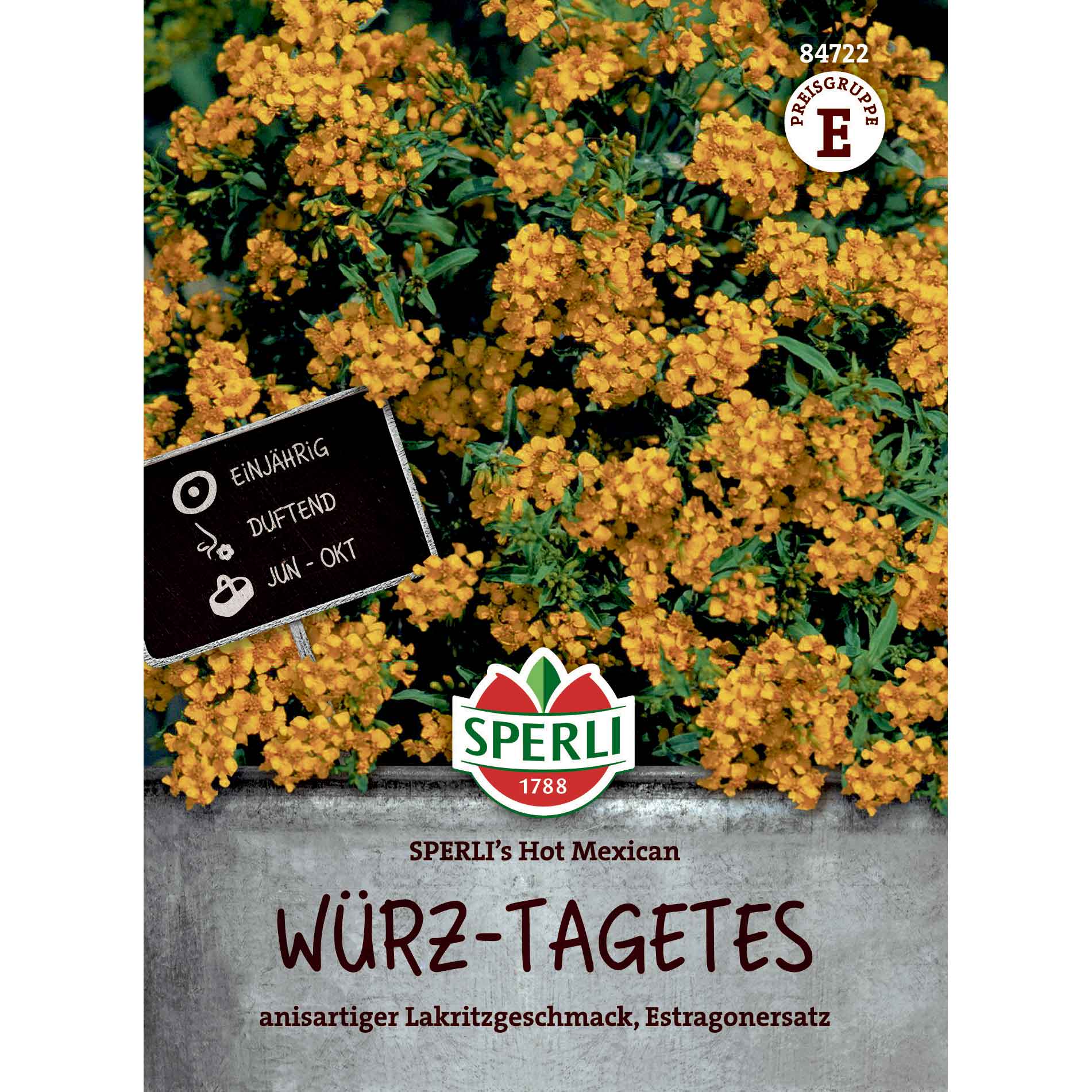
Tagetes – or marigold – is one of the most popular summer flowers for both pots, raised beds and flower beds. The plant is known for its long flowering period, colorful flowers and its ability to attract beneficial insects such as bees and hoverflies. Marigold thrives in sun and partial shade and is particularly suitable for beginners, as it requires minimal care and grows quickly.
Tagetes comes in several heights and colors, making it easy to combine with other summer flowers or vegetables in the kitchen garden. Its compact growth and beautiful flowering provide structure, volume and color throughout the season.
Tagetes against soil fatigue – natural soil improvement
One of Tagetes' most well-known properties is its natural ability to combat soil fatigue. The roots secrete substances that reduce the occurrence of nematodes in the soil. This is why Tagetes is particularly popular in vegetable gardens, where it can be planted between vegetables or in preparation for the next season.
Using Tagetes for soil fatigue is a sustainable method that improves soil health without the use of chemicals. Plant marigolds in areas where you experience tired or depleted soils, or where plants have previously struggled to thrive.
How to get the most out of your velvet flowers
Tagetes thrives best in sunny areas with well-drained soil. To ensure abundant flowering, regular watering and removal of faded flowers are recommended to stimulate new growth. In pots, you should use a nutrient-rich potting soil and water frequently.