

Moss roses – unique textures and strong details
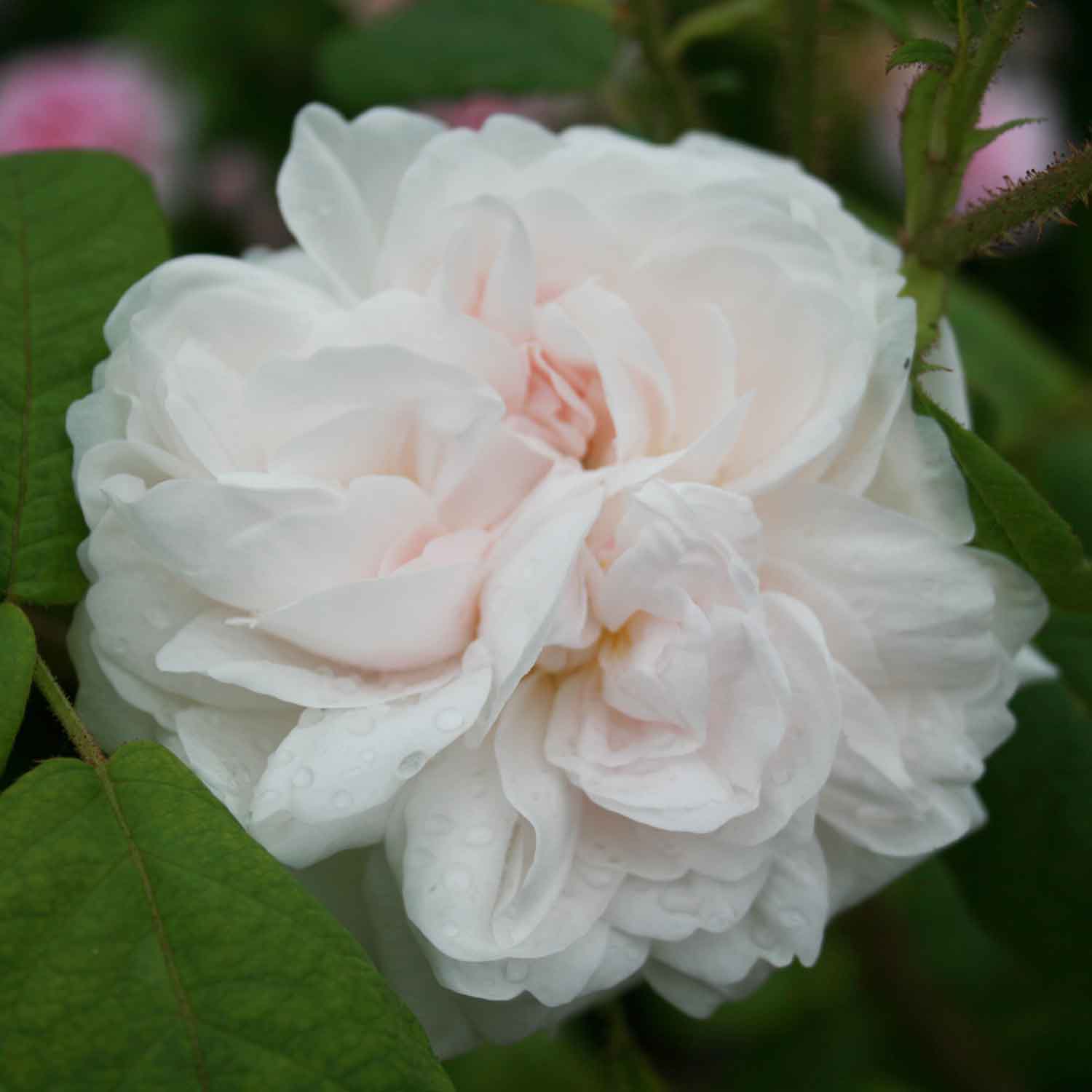
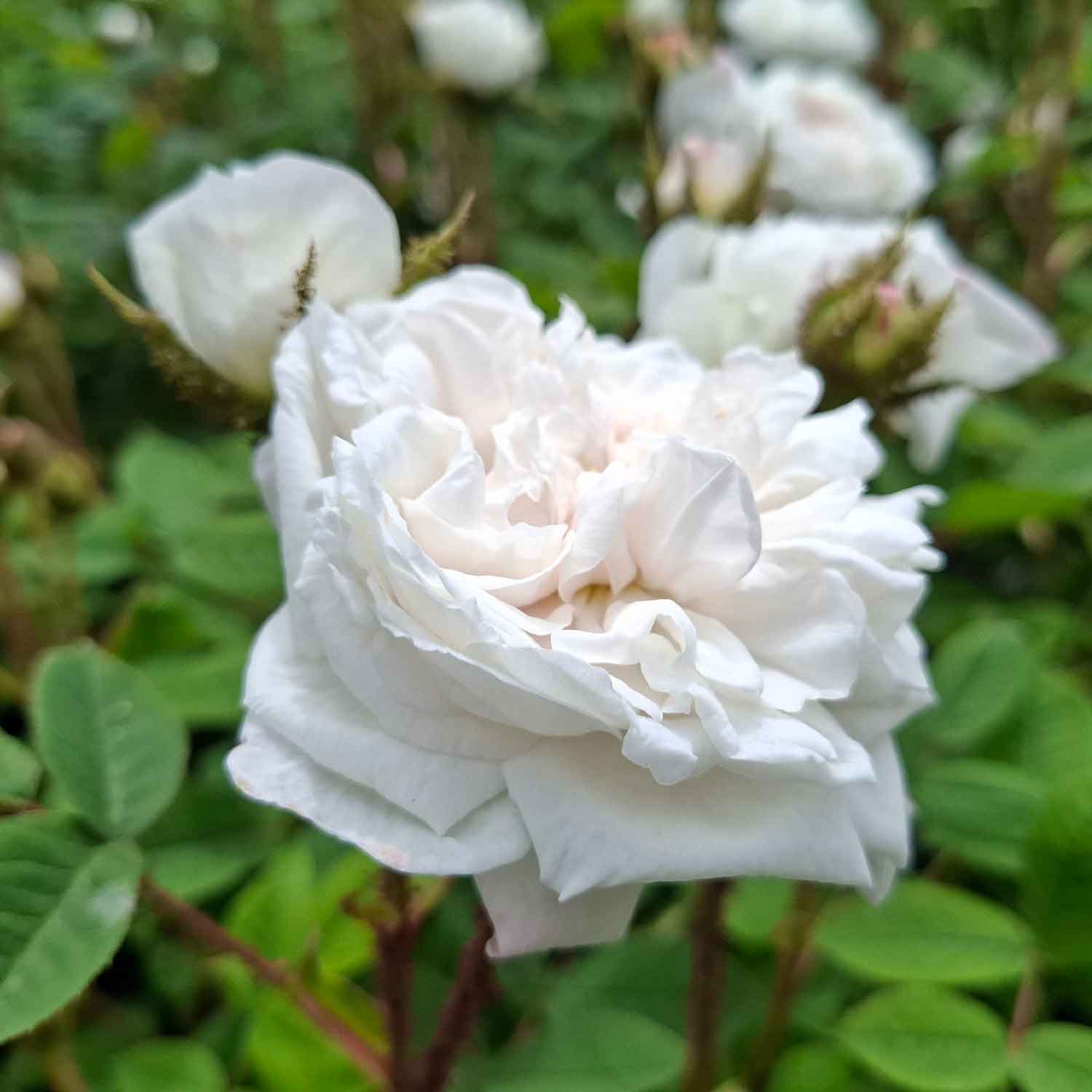
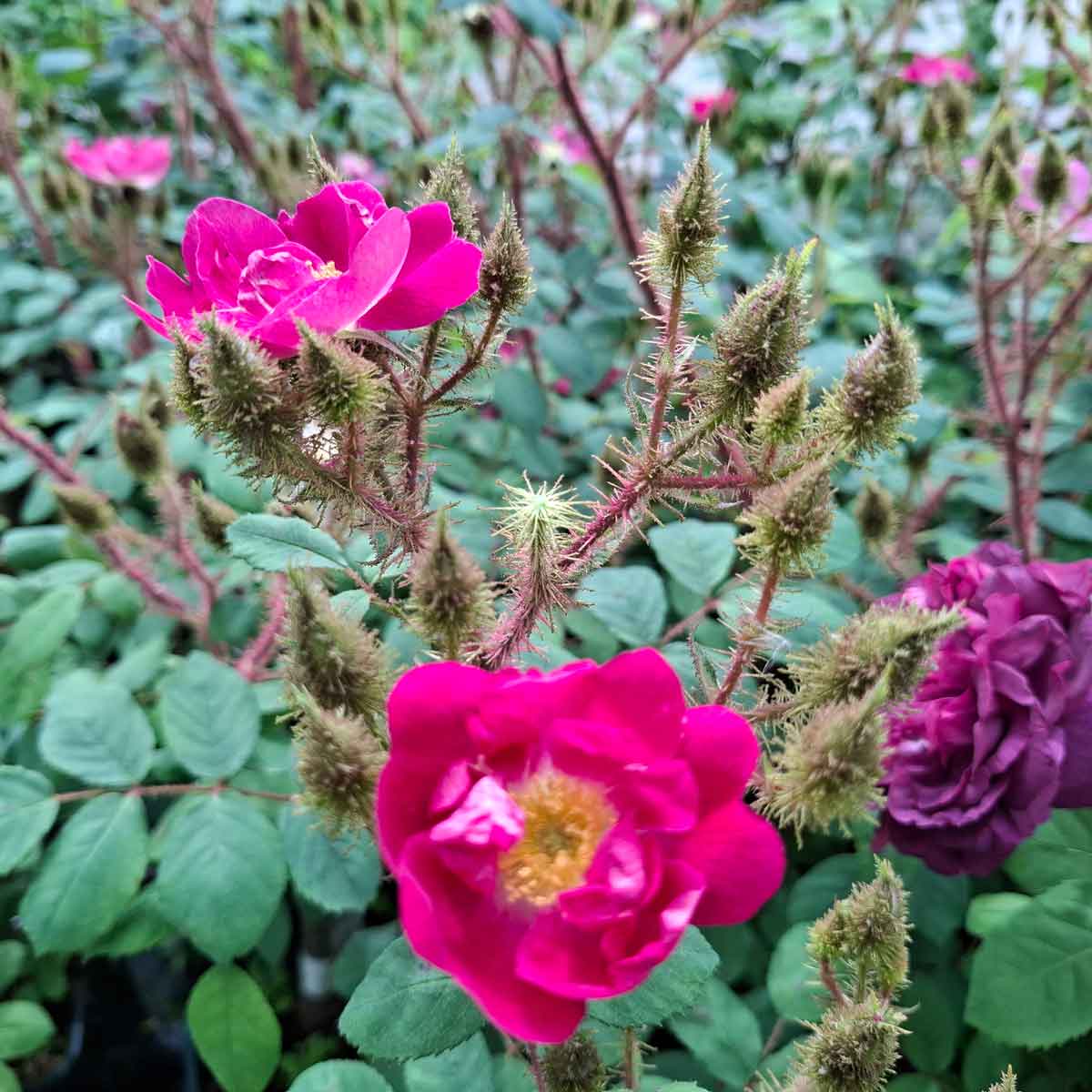
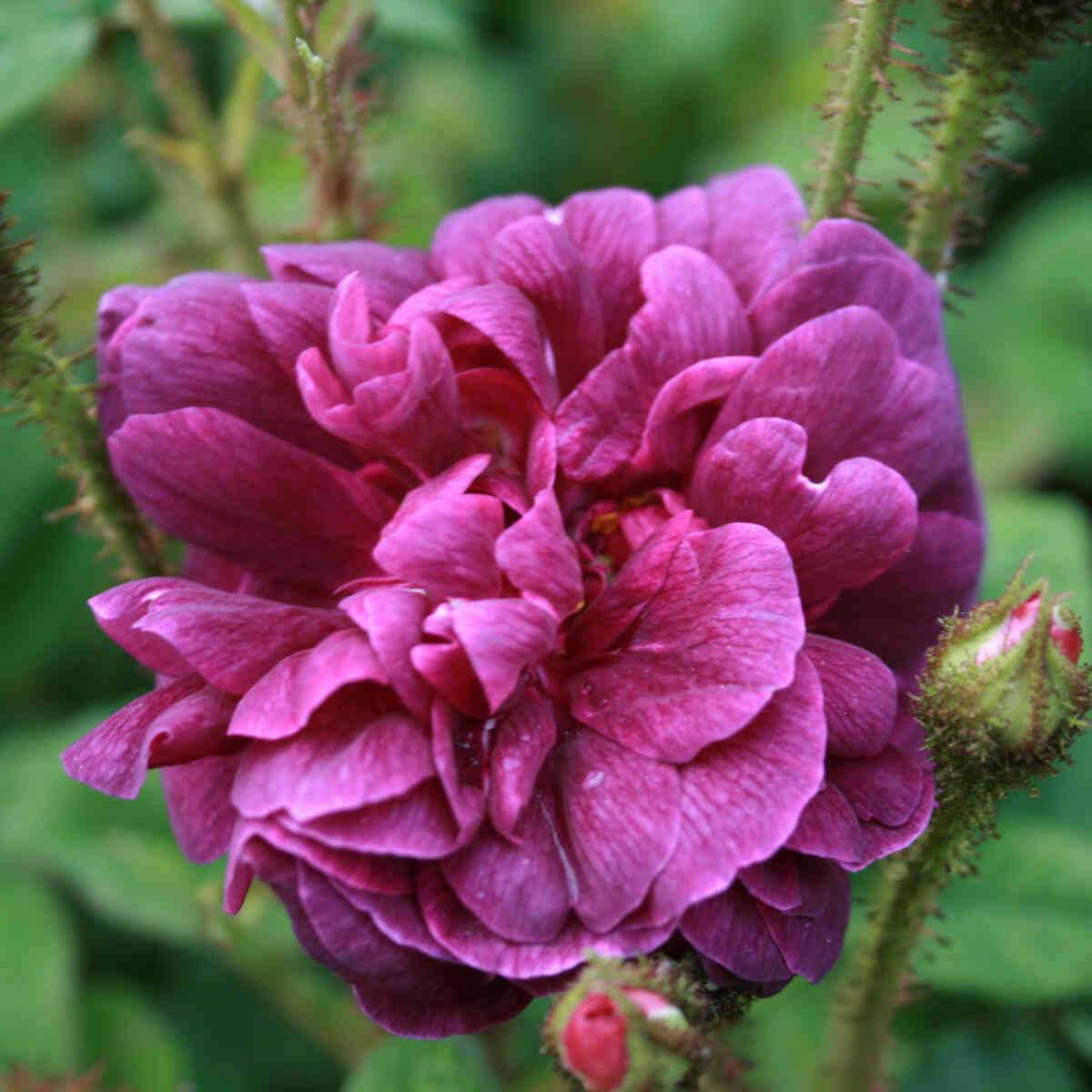
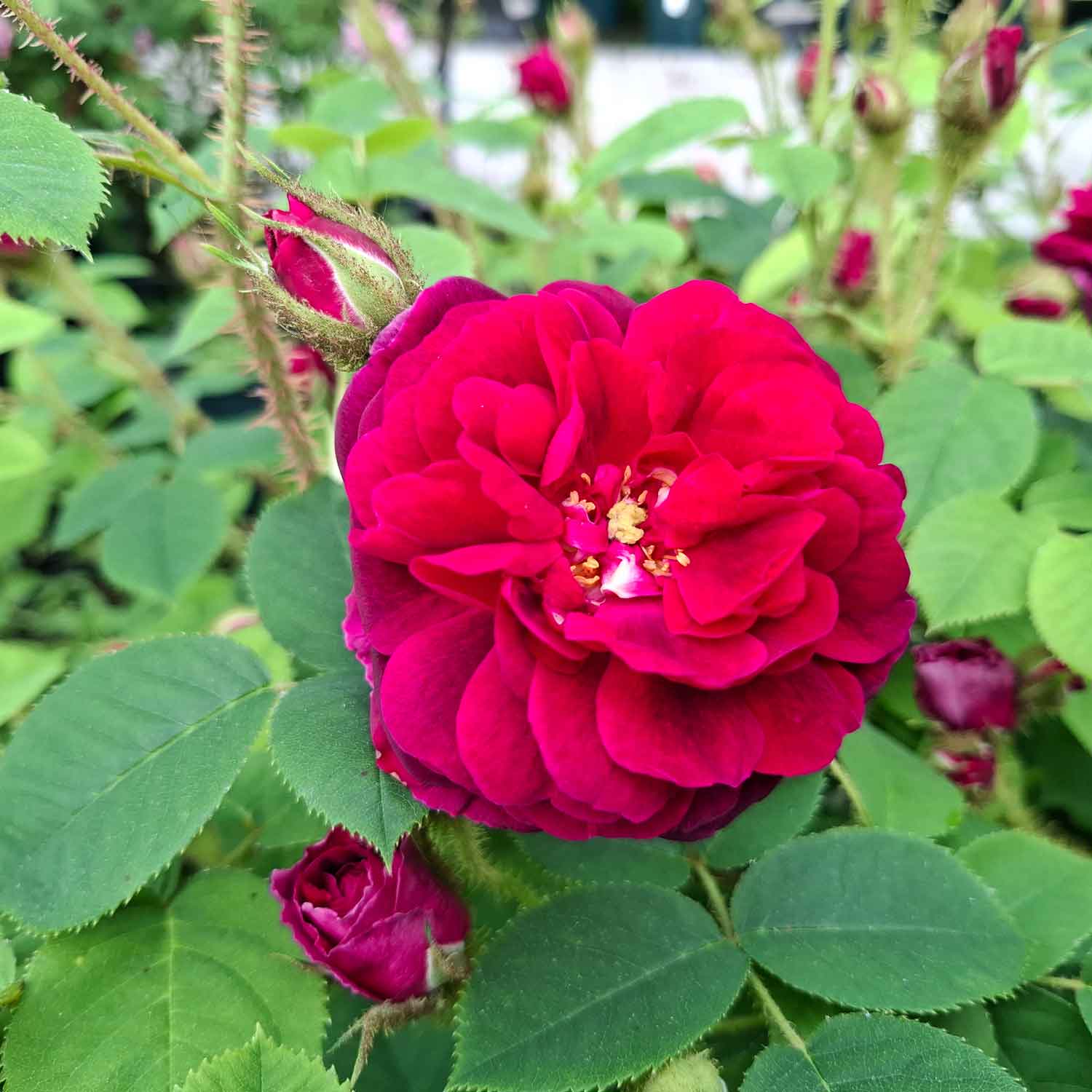
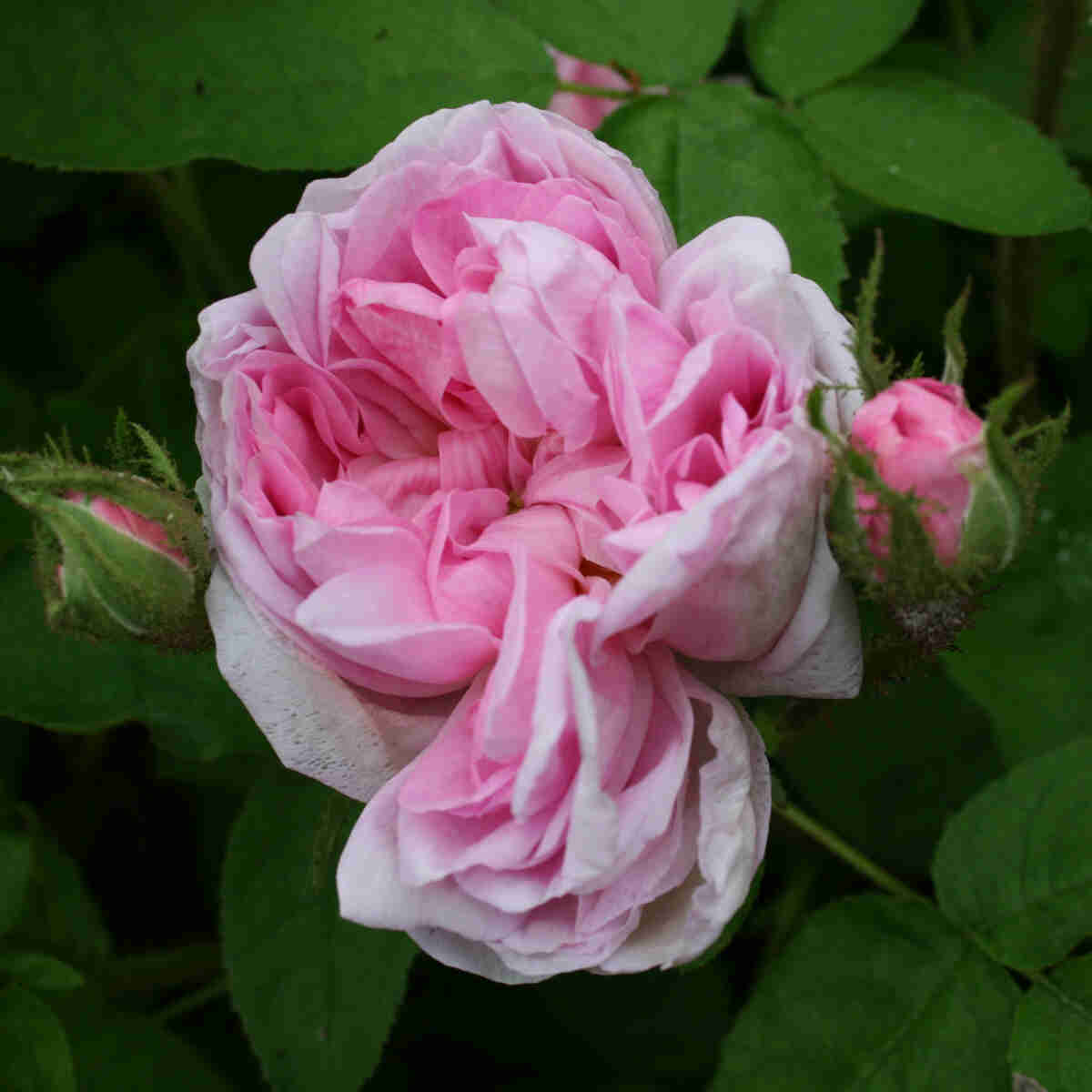
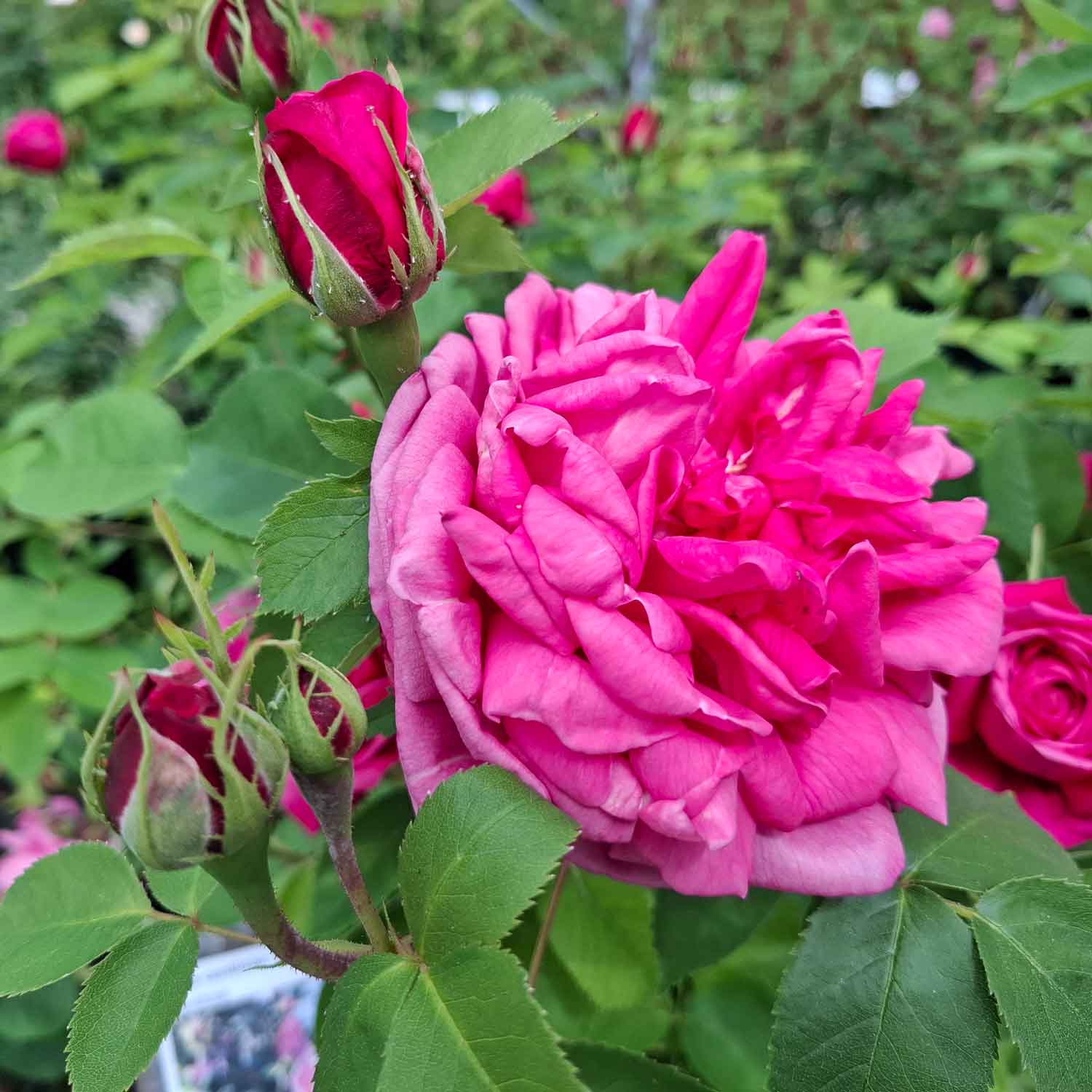
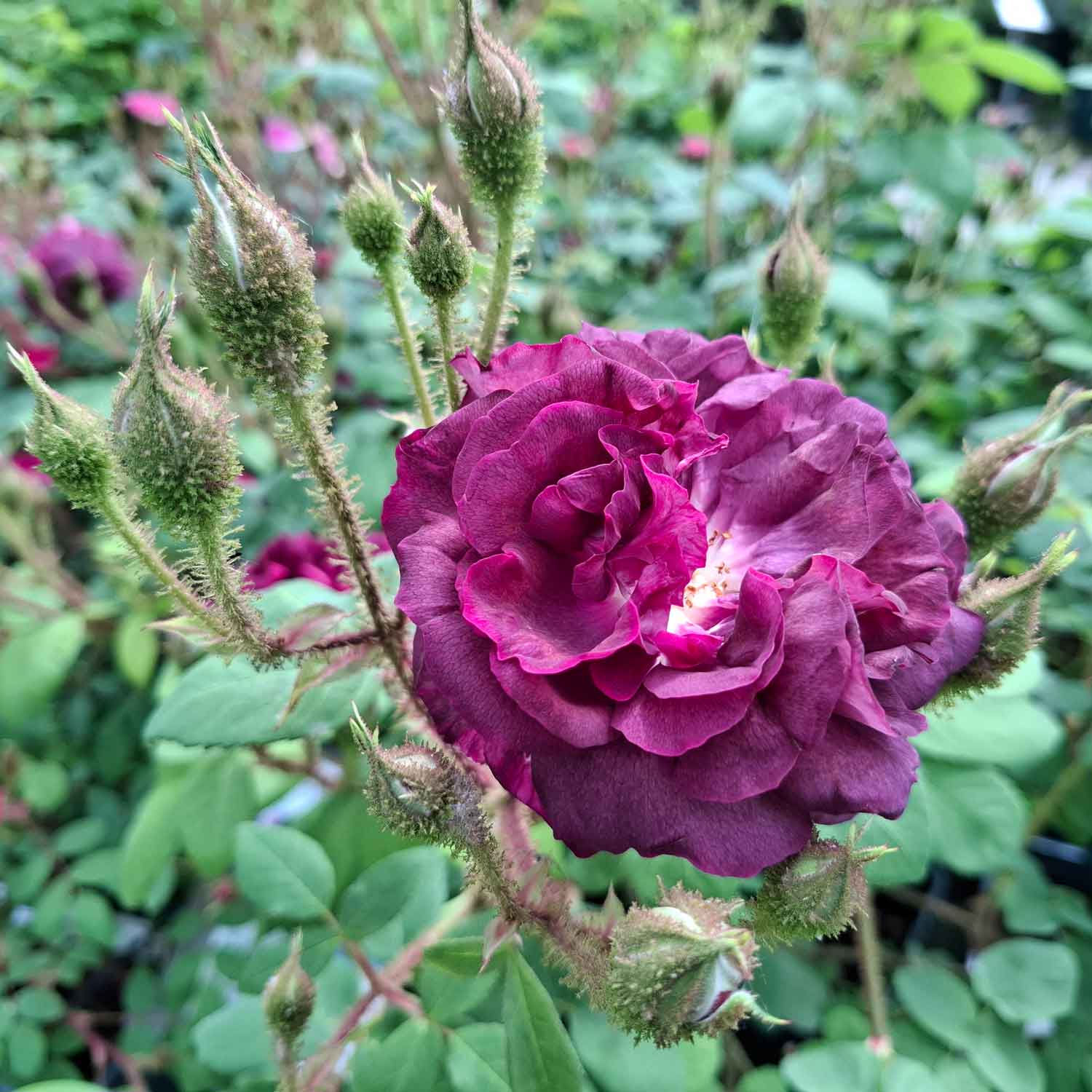
A moss rose is particularly recognizable by the moss-like structure around the flower buds and stems. This distinctive feature gives the plant a rustic and almost antique look that stands out from other historic roses. The flowers are most often found in pink, purple and deep red shades and have an intense fragrance, making them a distinctive feature in any rose planting.
Stories behind moss roses
The historical roots of moss roses date back to the 17th century, when the first forms were discovered as natural mutations of centifolia roses. Since then, moss roses have been cultivated in European ornamental gardens and monastery gardens, particularly for their decorative appearance and strong fragrance. They have been used throughout history in both rose breeding and artistic gardens, where their characteristic “moss” has been a sought-after feature.
How moss roses thrive
Moss roses have an upright growth habit. Moss roses only bloom once, but they bloom early and the plant can become very old. They grow well in poor soil and do not need much fertilizer, they can of course also grow on good soil. There are some moss roses that are modern hybrids that bloom all summer, see 'Claire de Lune' and 'Hanka'.