



How to make perennial tulips come back
Perennial Tulips need a little fertilizer after flowering, so you can be sure that the bulb will grow bigger and produce flowers the following year. When tulips have finished flowering, you can remove the seed pods, but the leaves and stems should be left until they wither naturally.
The quality of tulip bulbs
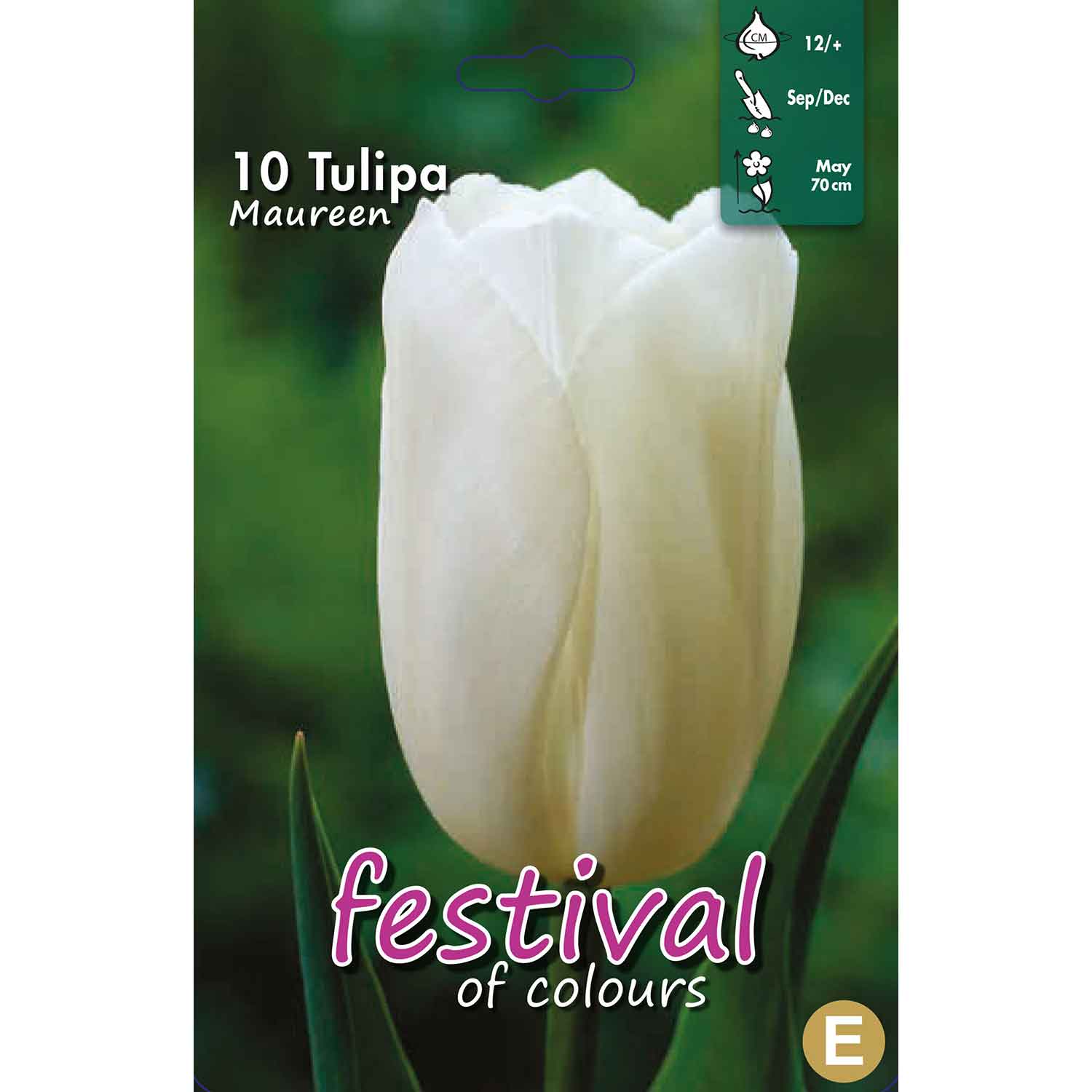
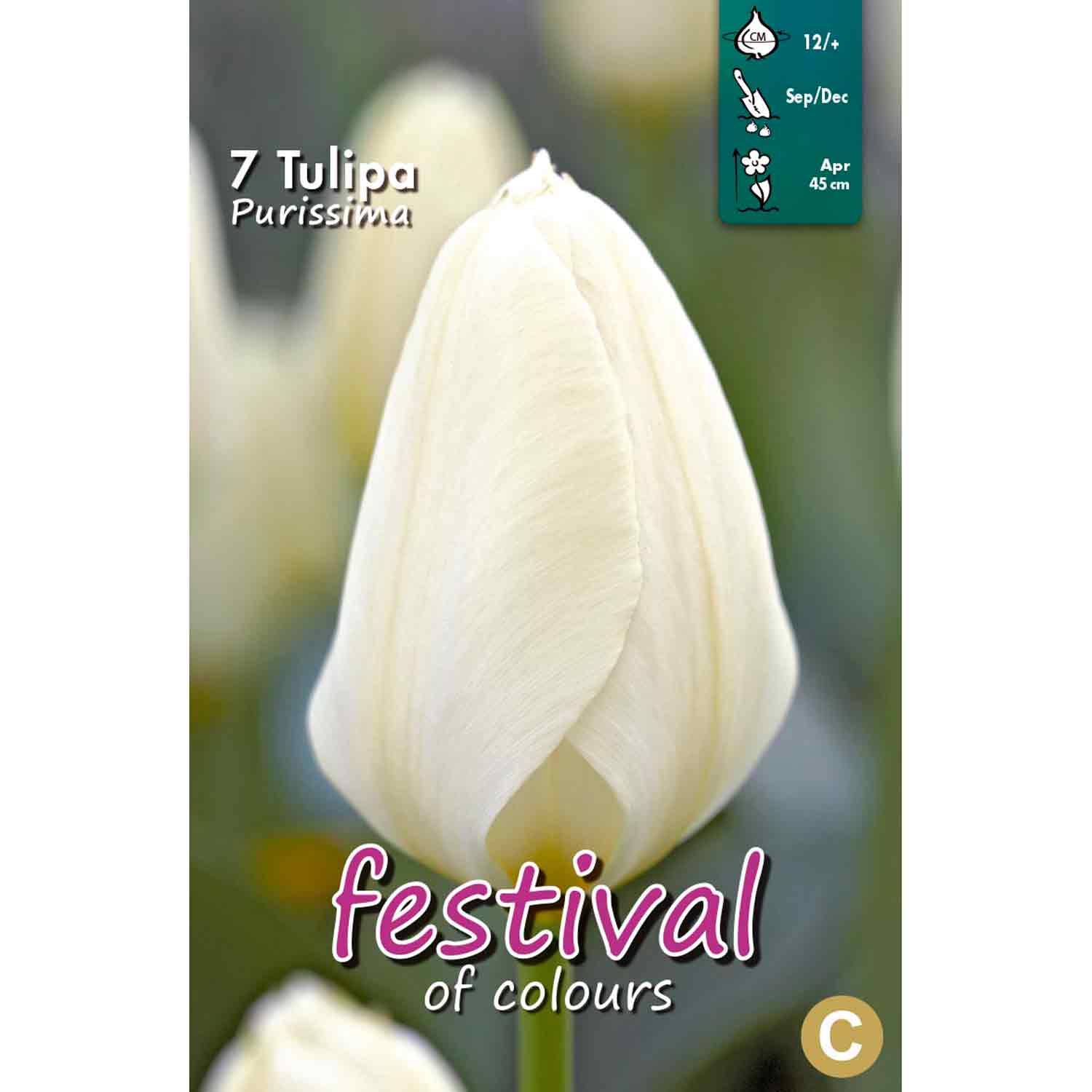
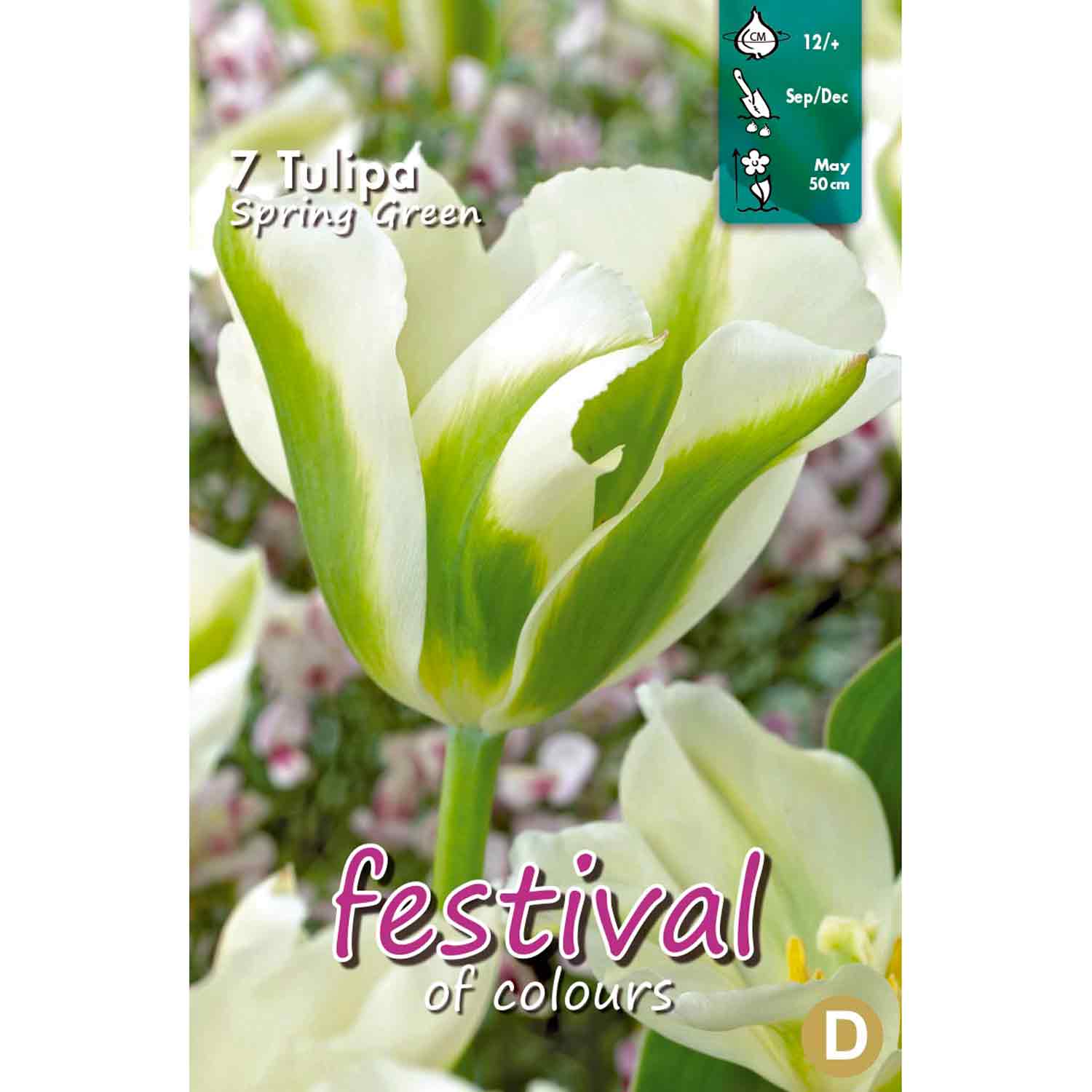
Large, healthy tulip bulbs are a prerequisite for a good result. Most tulip bulbs are 12+, meaning they are 12 cm in circumference. Some varieties are available in 14+, meaning they are over 14 cm in circumference and develop even more vigorous tulips.
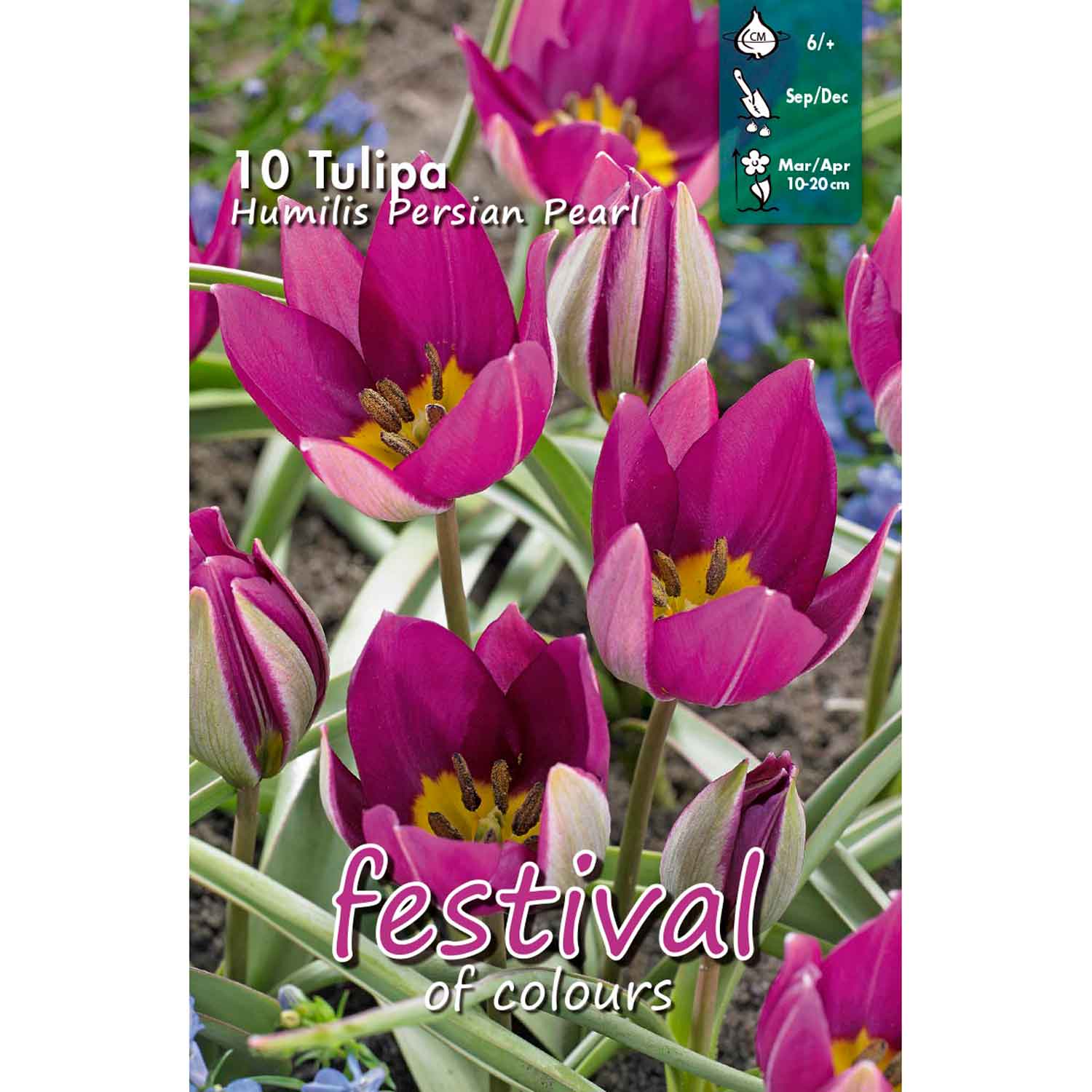
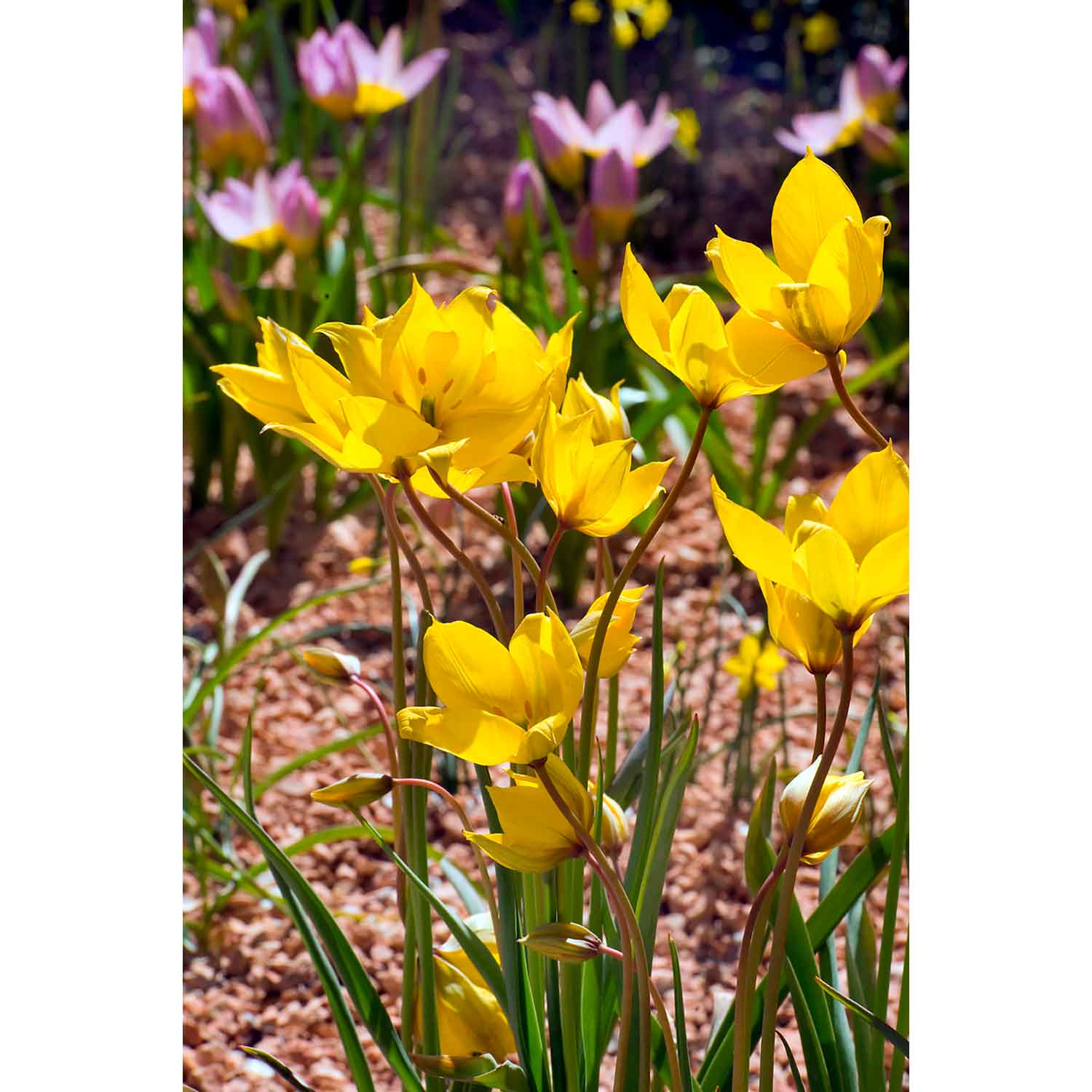
The botanical tulips are smaller, typically 6+, but incredibly stable to come back.
Planting tulip bulbs
When planting your tulip bulbs in the fall, remember to plant tulips at the correct depth in the soil. If a bulb is 6 cm high, the hole should be 3 x 6 cm, i.e. 18 cm deep. If the bulb is 4 cm high, the hole should be 3 x 4 cm, i.e. 12 cm deep. If you don't plant your bulbs deep enough, they won't grow very well the following year.