

What characterizes Sage in the garden?
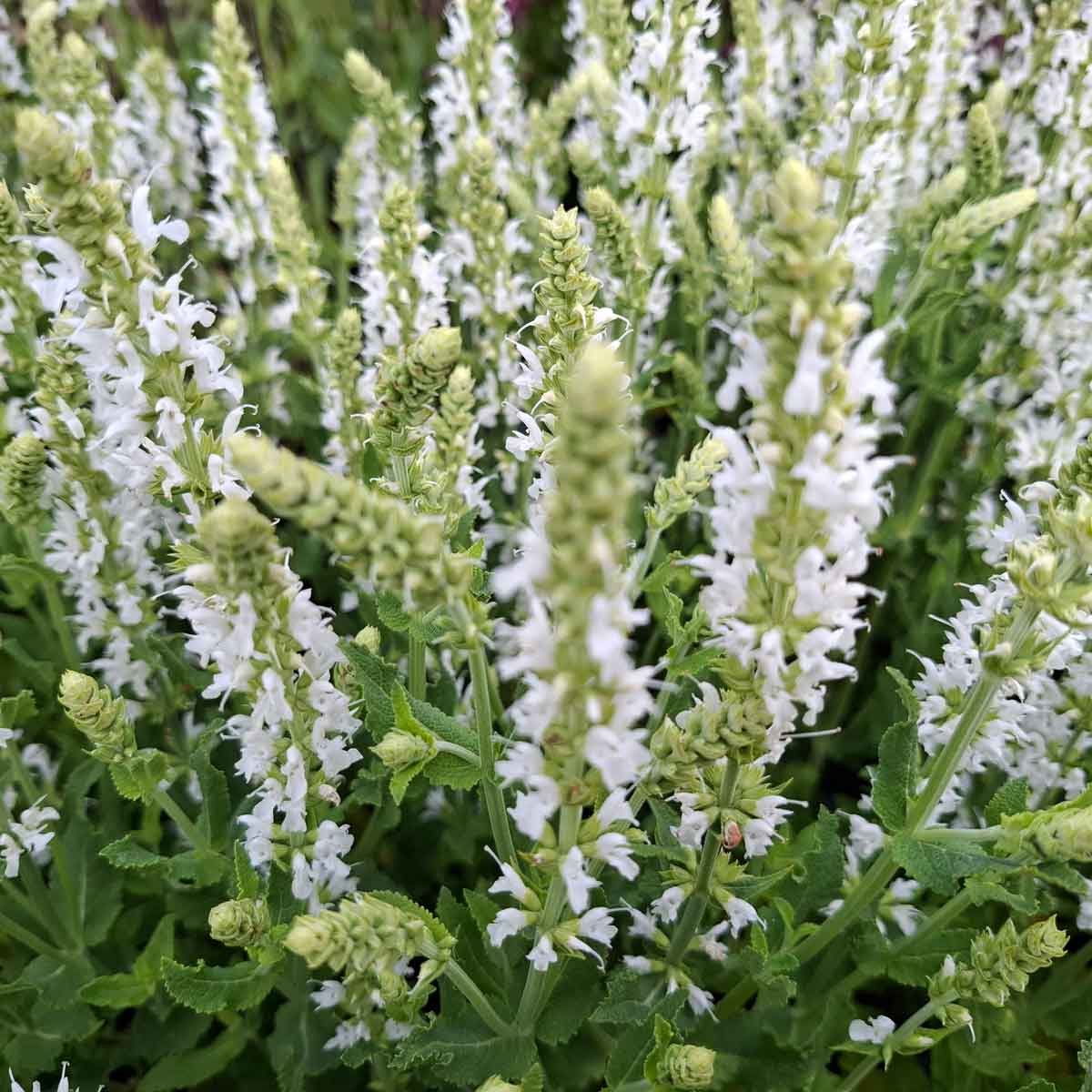
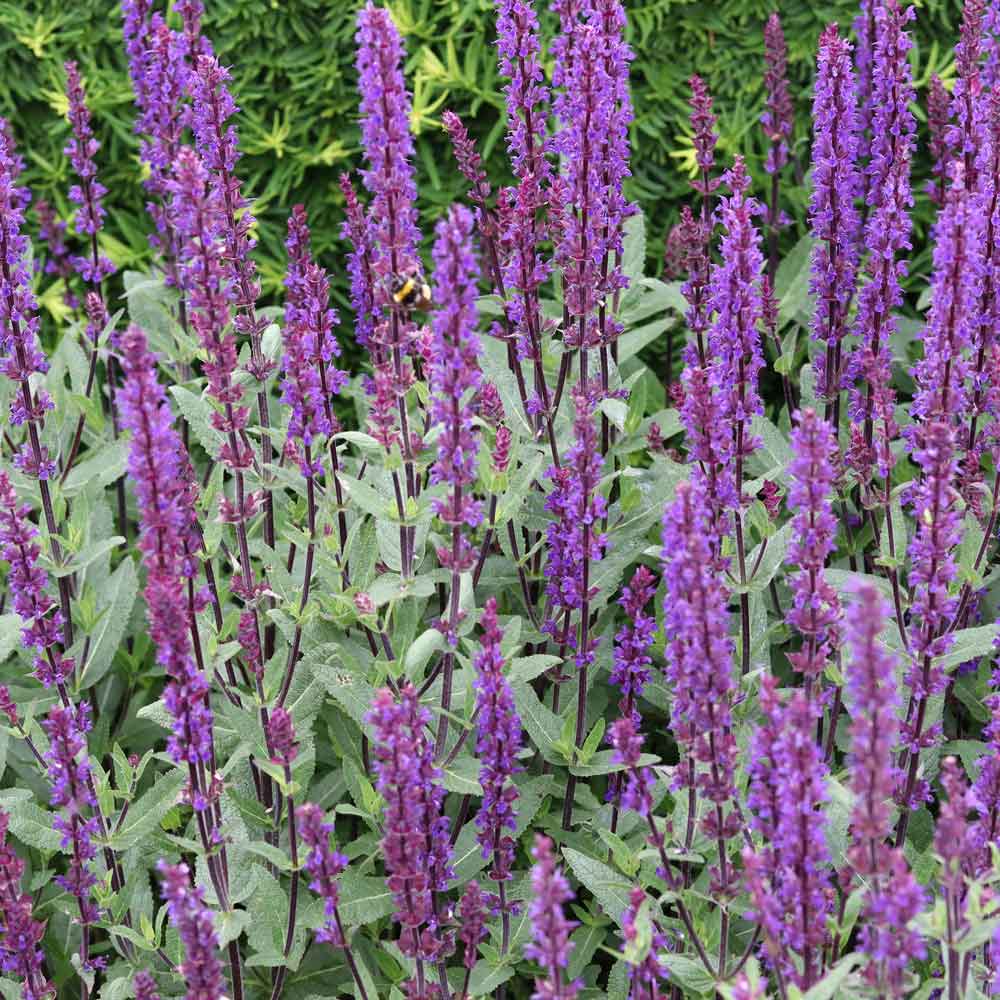
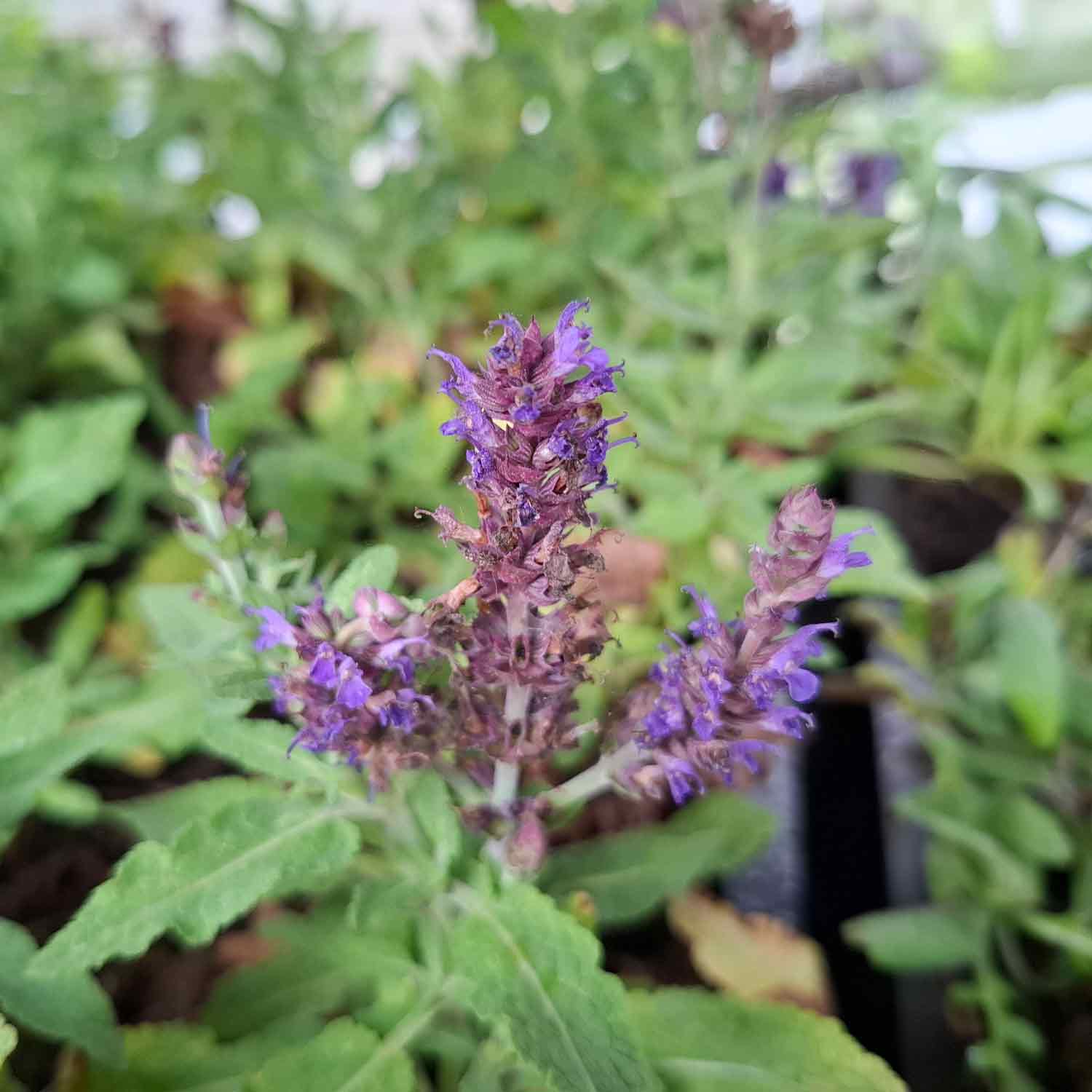
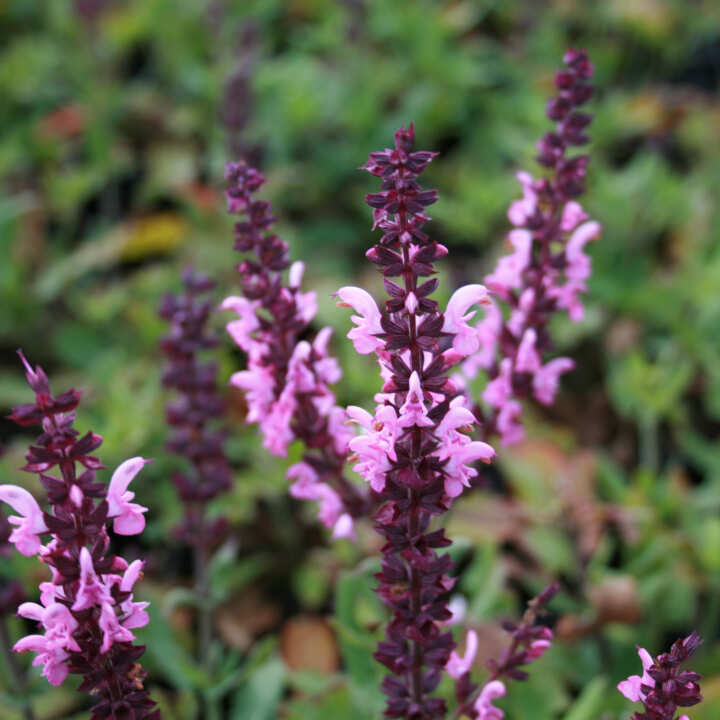
Sage is a plant that combines beauty, fragrance and functionality. It is loved for its striking flower spikes, which extend in shades of purple, pink, blue and white – and which bloom impressively long throughout the summer. It thrives in beds, pots and rockeries.
Sage is also one of the best plants in the garden for attracting bees, butterflies and other pollinators, which provides a healthy and vibrant garden environment.
Location and care of Sage
Sage prefers a sunny location and well-drained soil. It thrives especially well in dry, hot areas of the garden where other plants often give up. A light pruning back after flowering can encourage denser growth and new blooms later in the season.
Ornamental sage is hardy and can overwinter in the garden.
Different types of Sage
There are two types of sage, the classic culinary sage, known for its aromatic foliage used in cooking, and the ornamental sage, which is grown for its long, colorful blooms.
Create a beautiful and insect-friendly bed
Combine Sage with roses, ornamental grasses, lavender or perennials in warm colours for a harmonious and blooming bed. The upright flower spikes provide a nice contrast to softer, fuller plants and create a vibrant expression throughout the summer.
If you want to support biodiversity, Sage is an obvious choice – it is among the most popular plants for pollinating insects.