
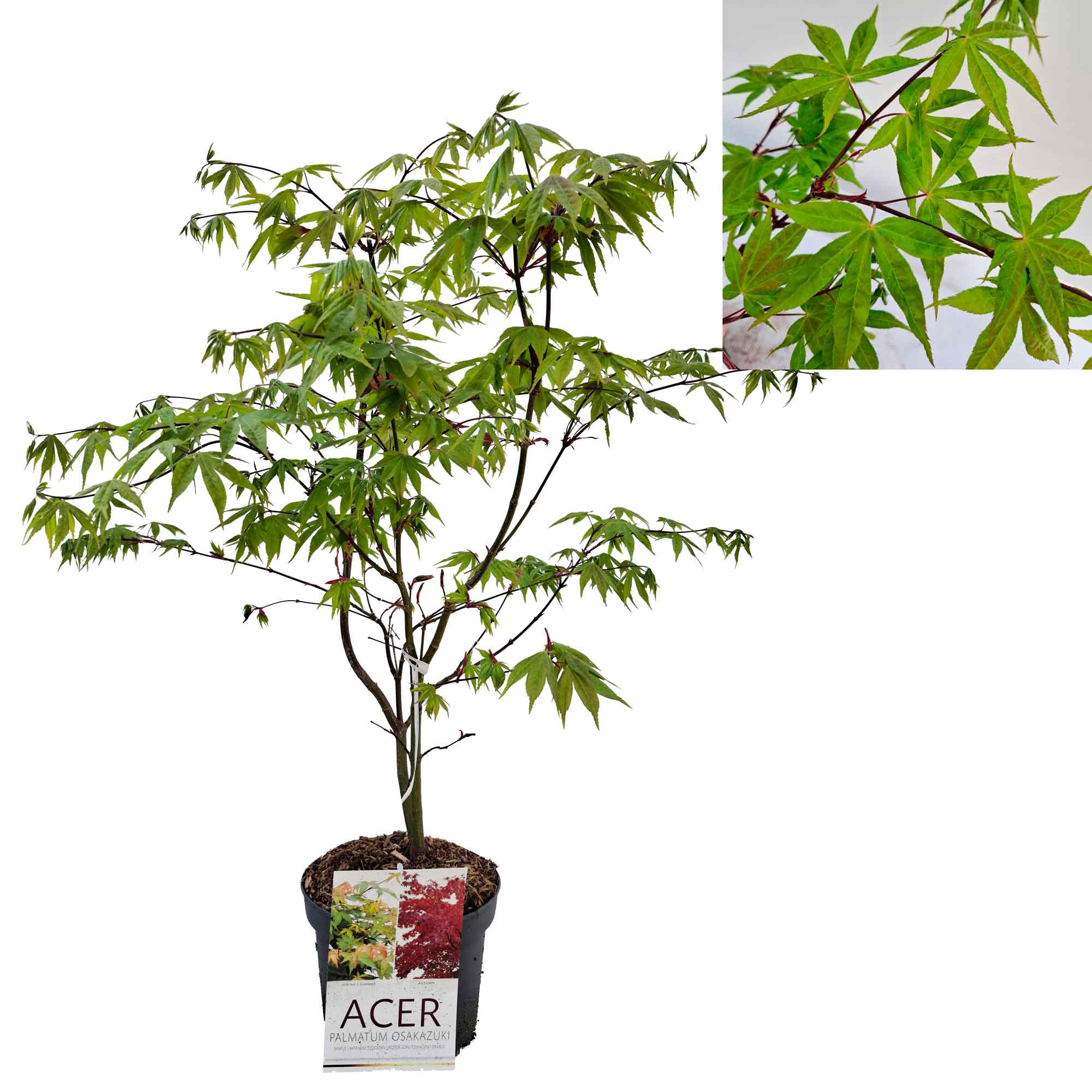
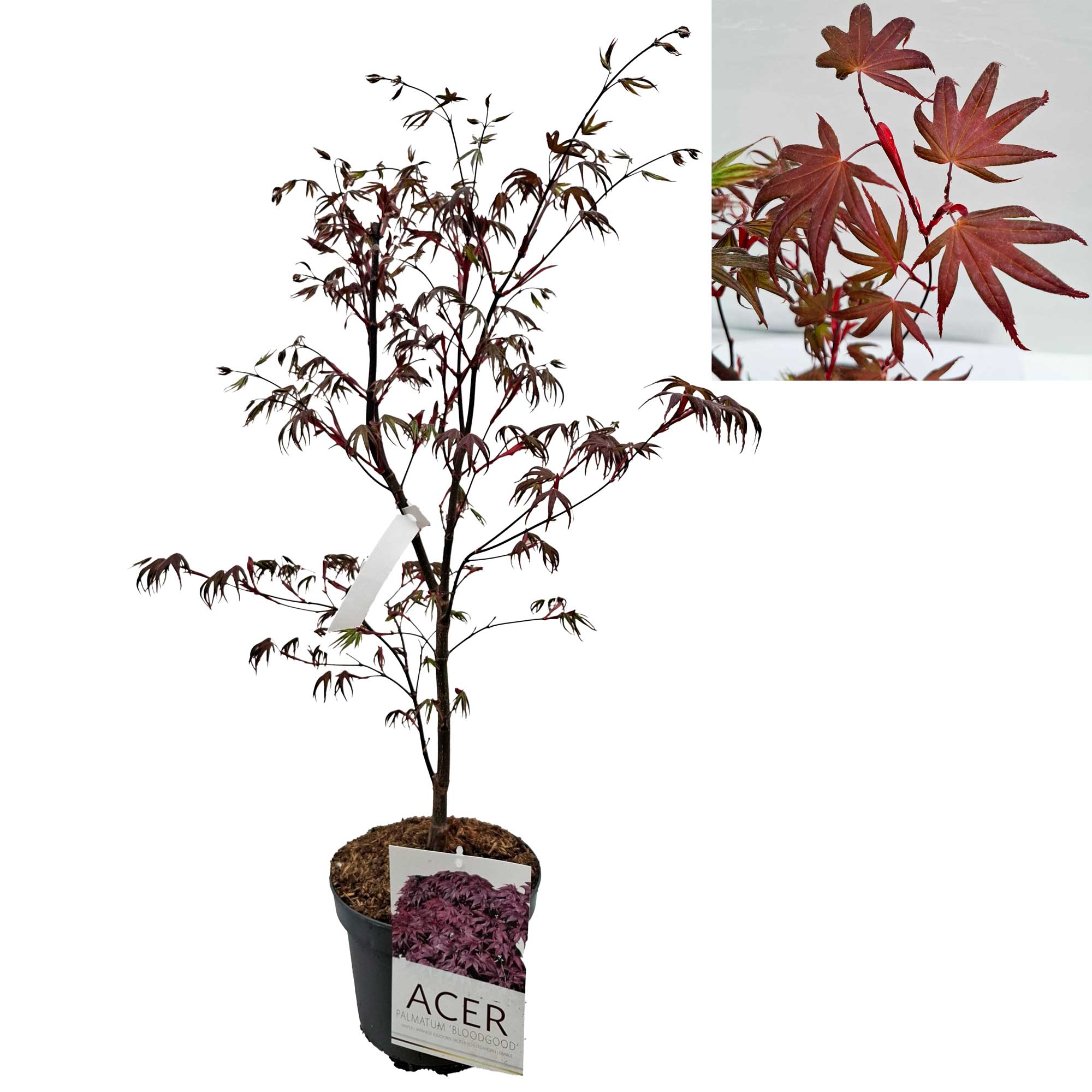
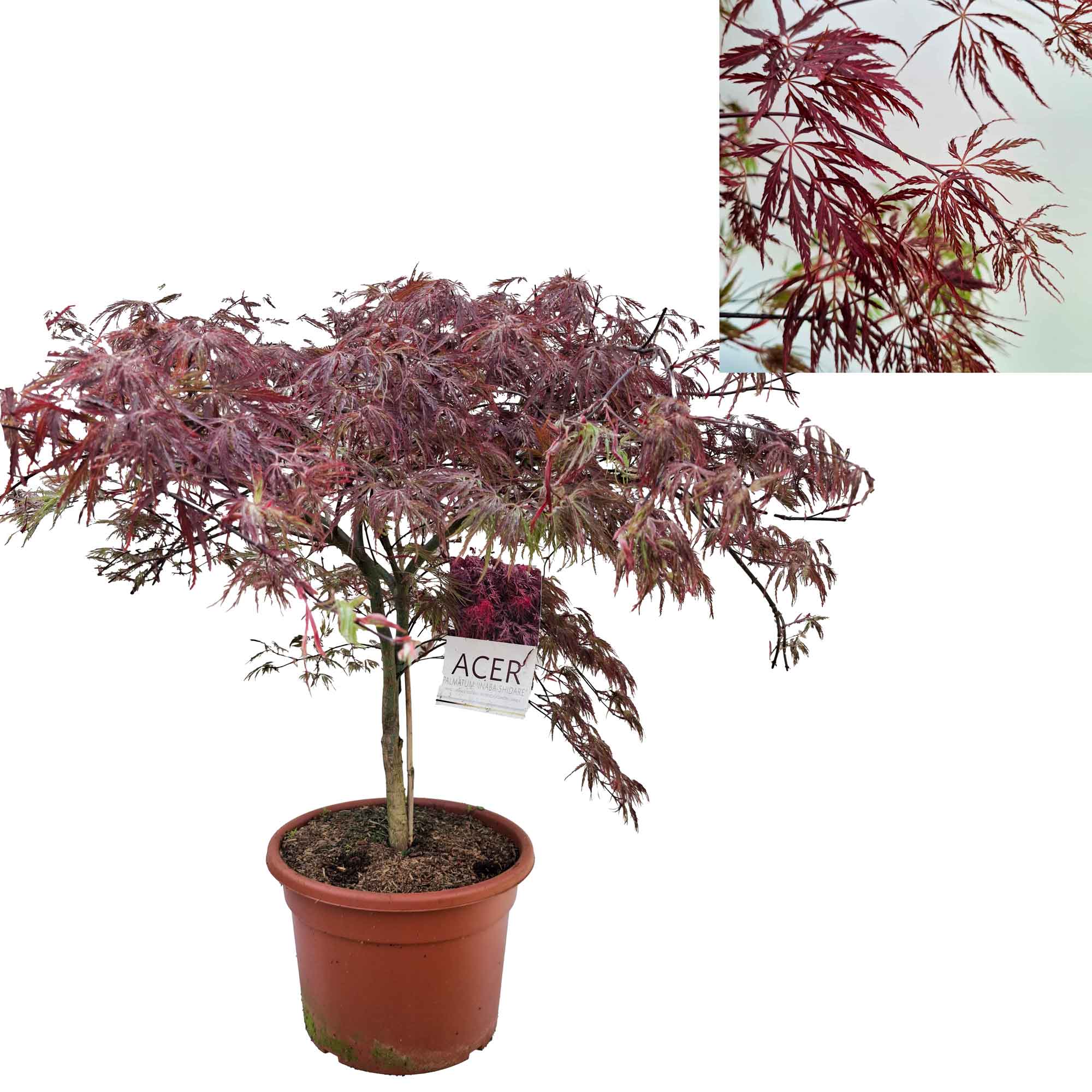
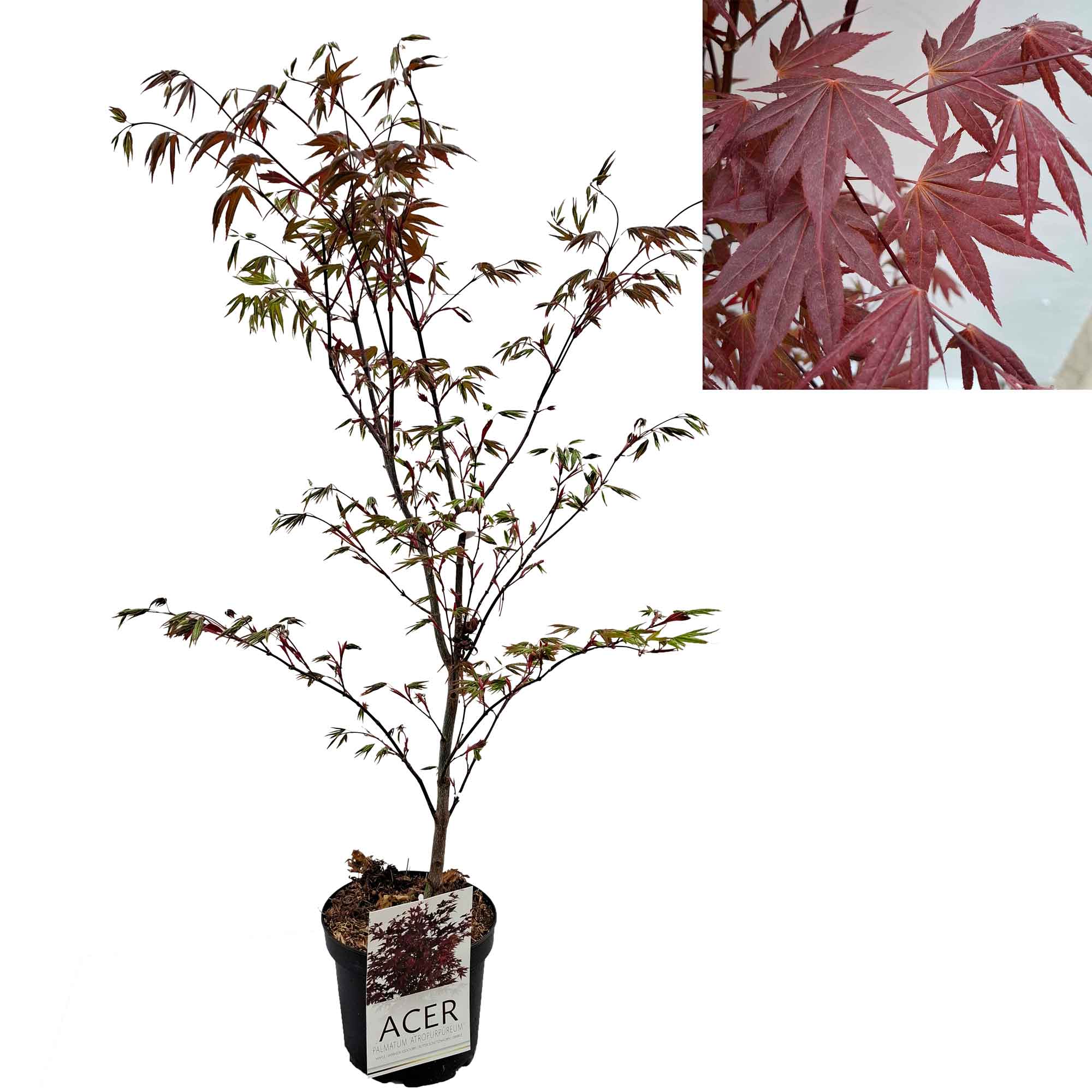
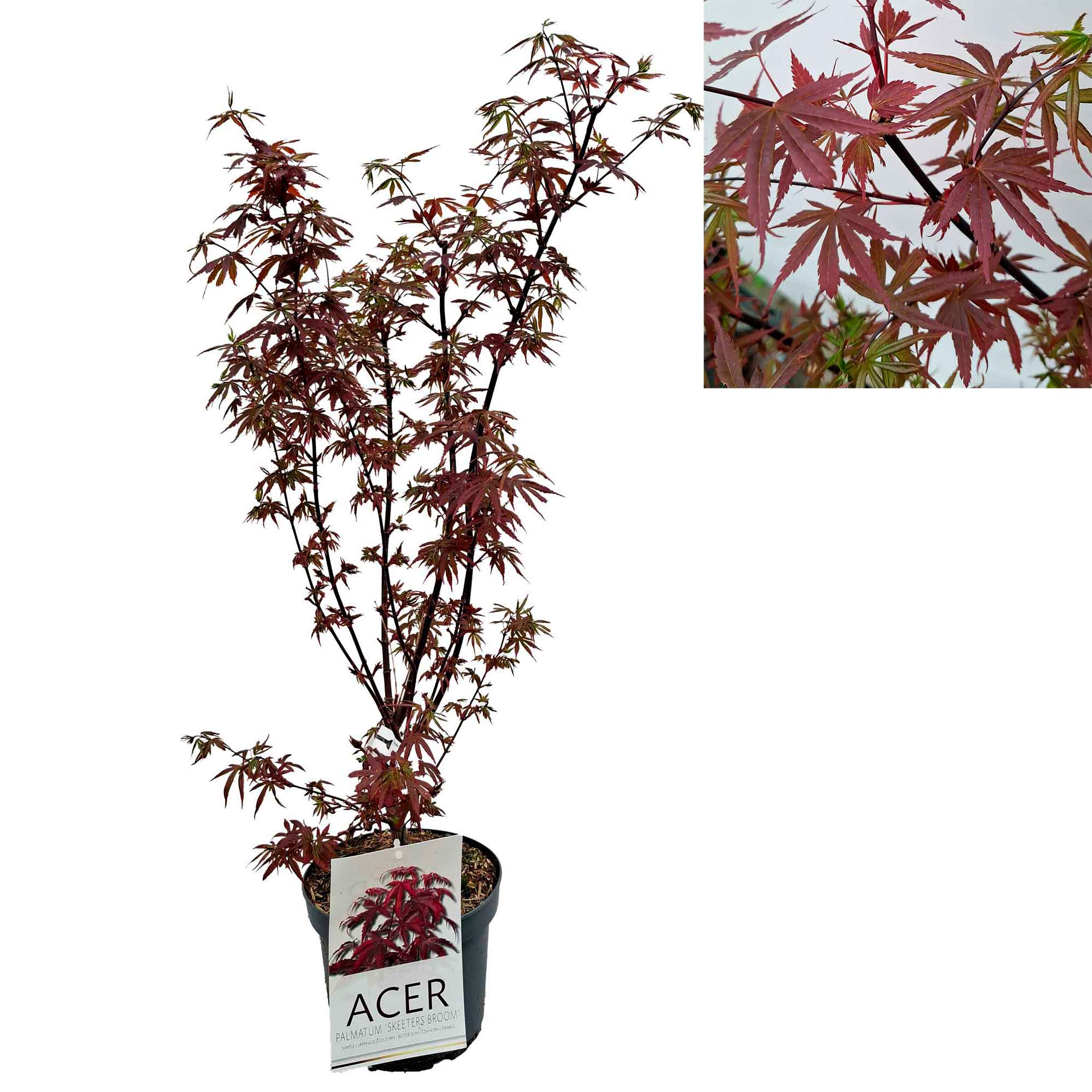
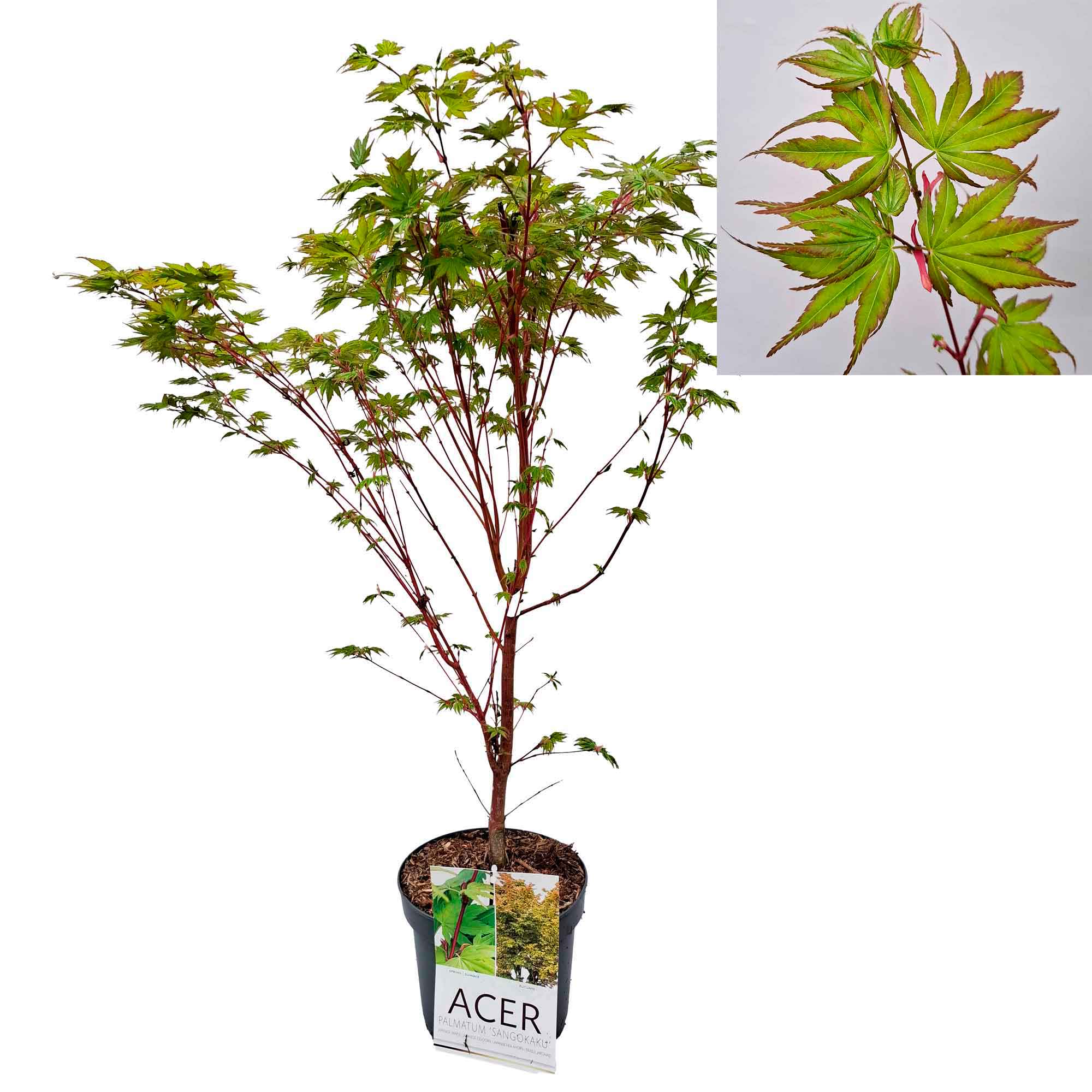
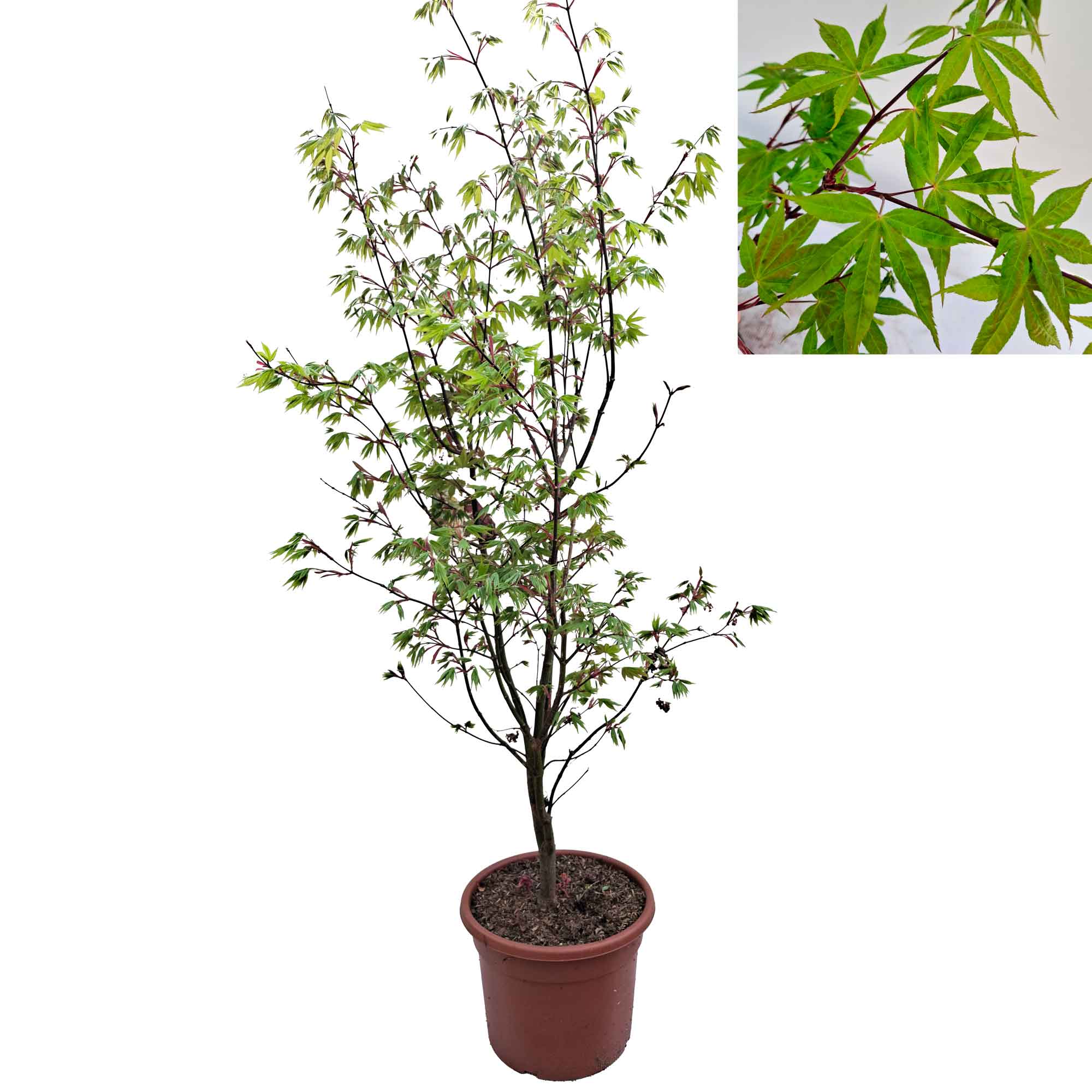
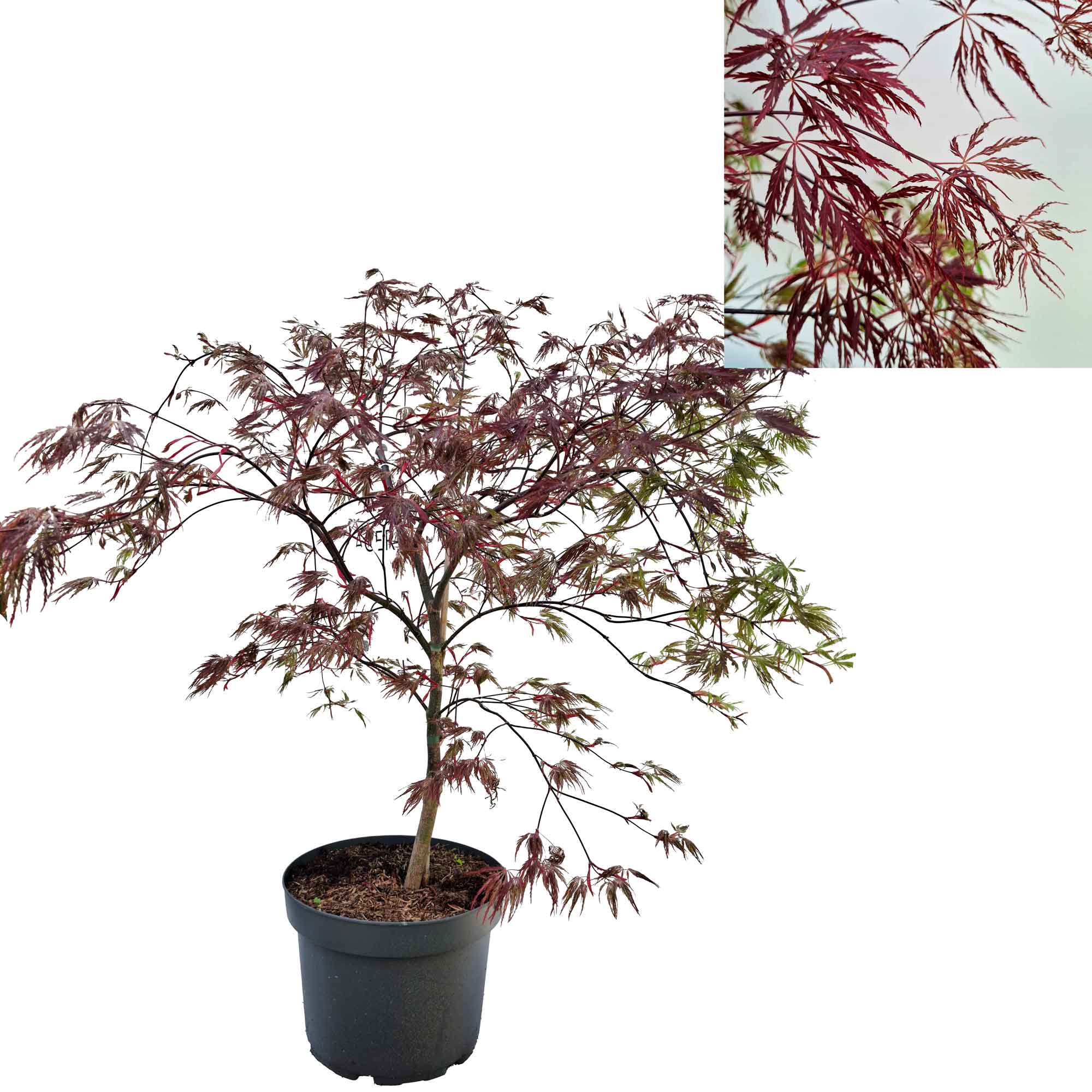
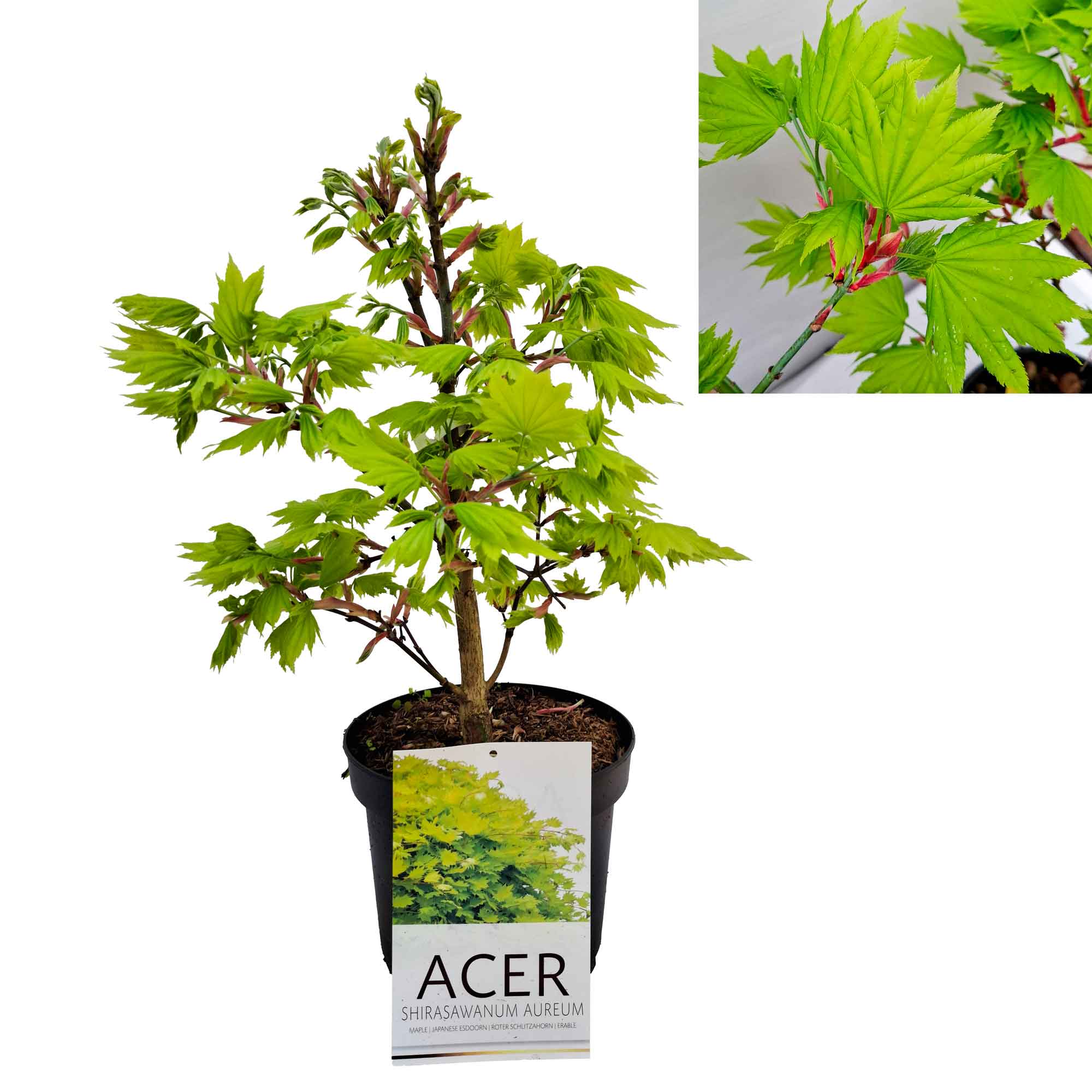
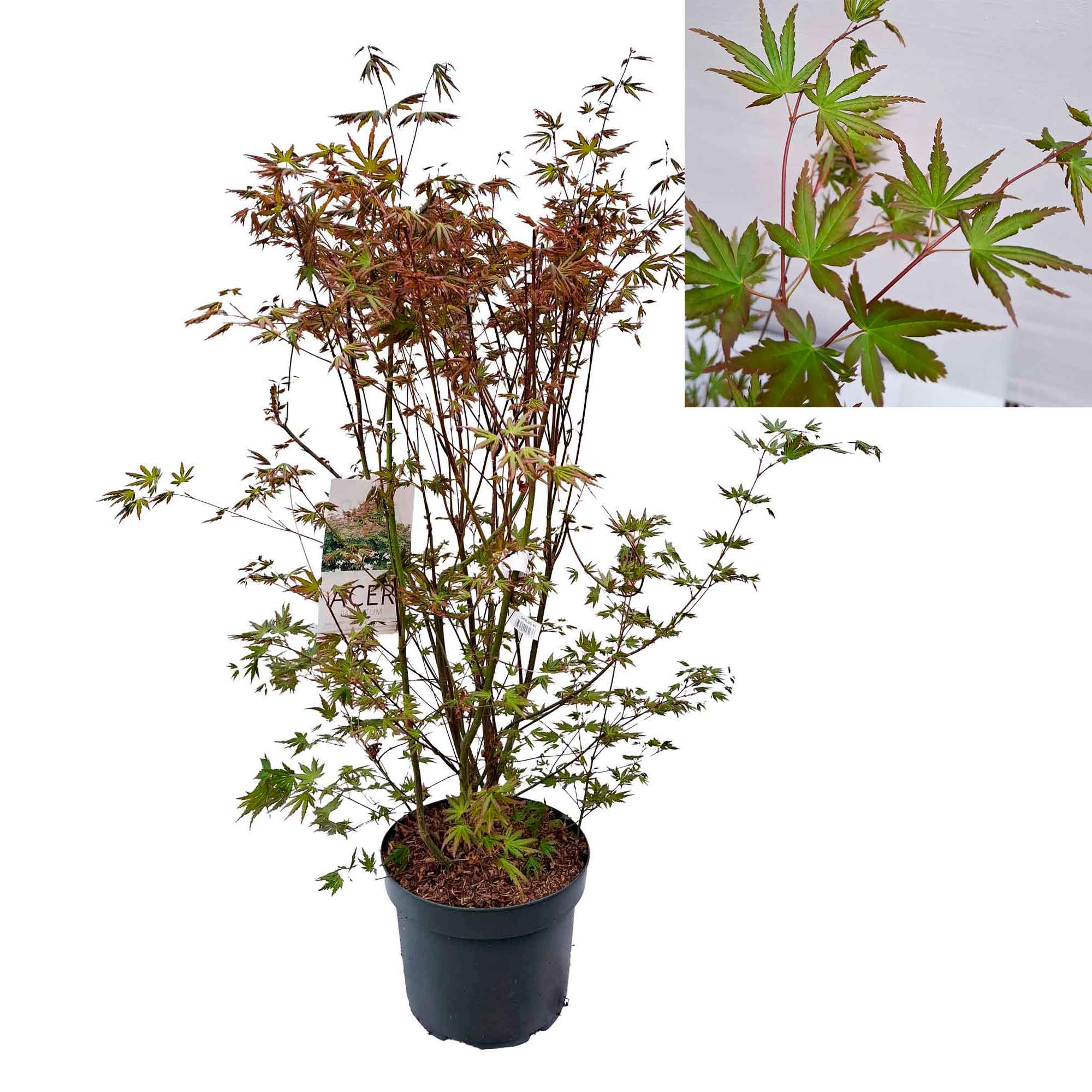
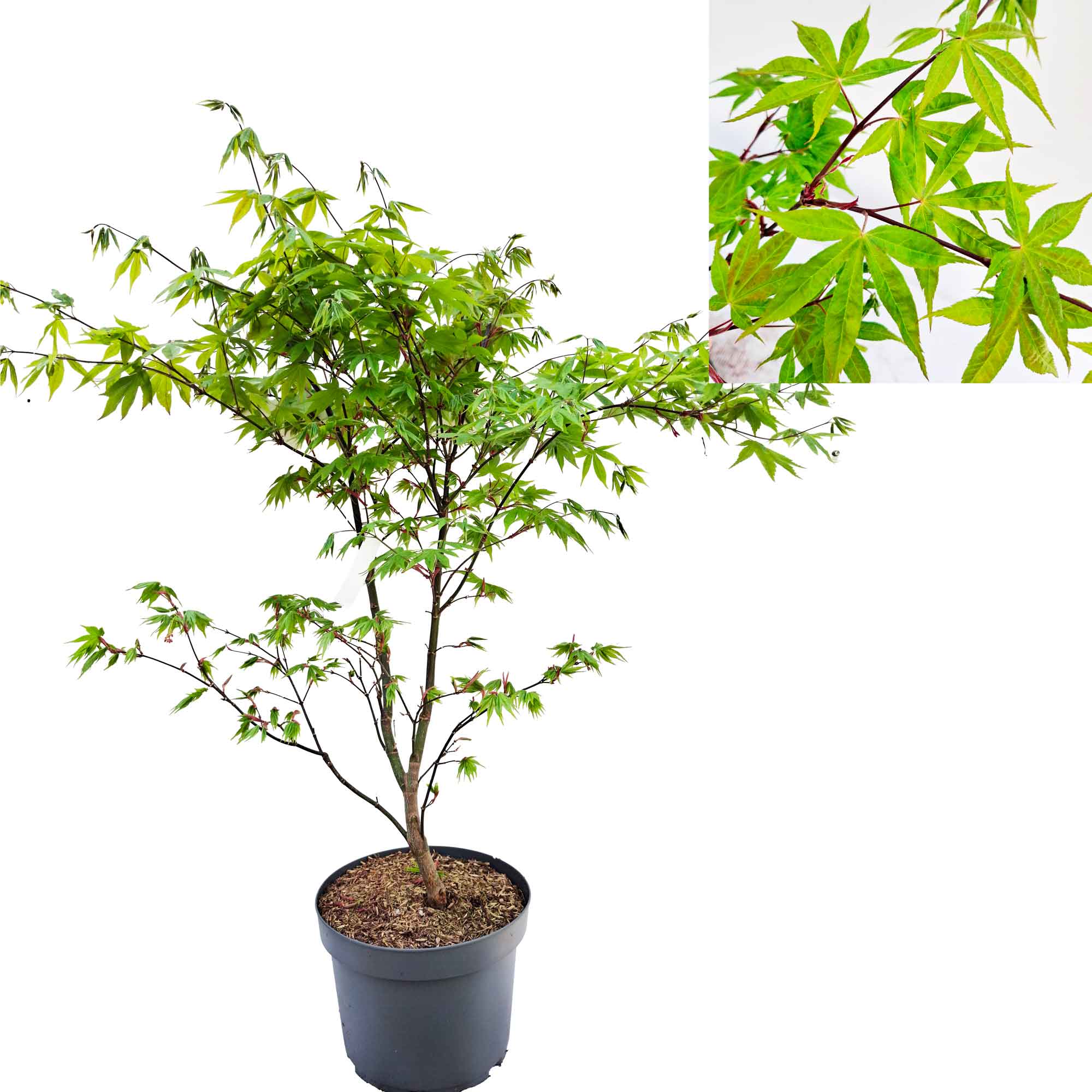
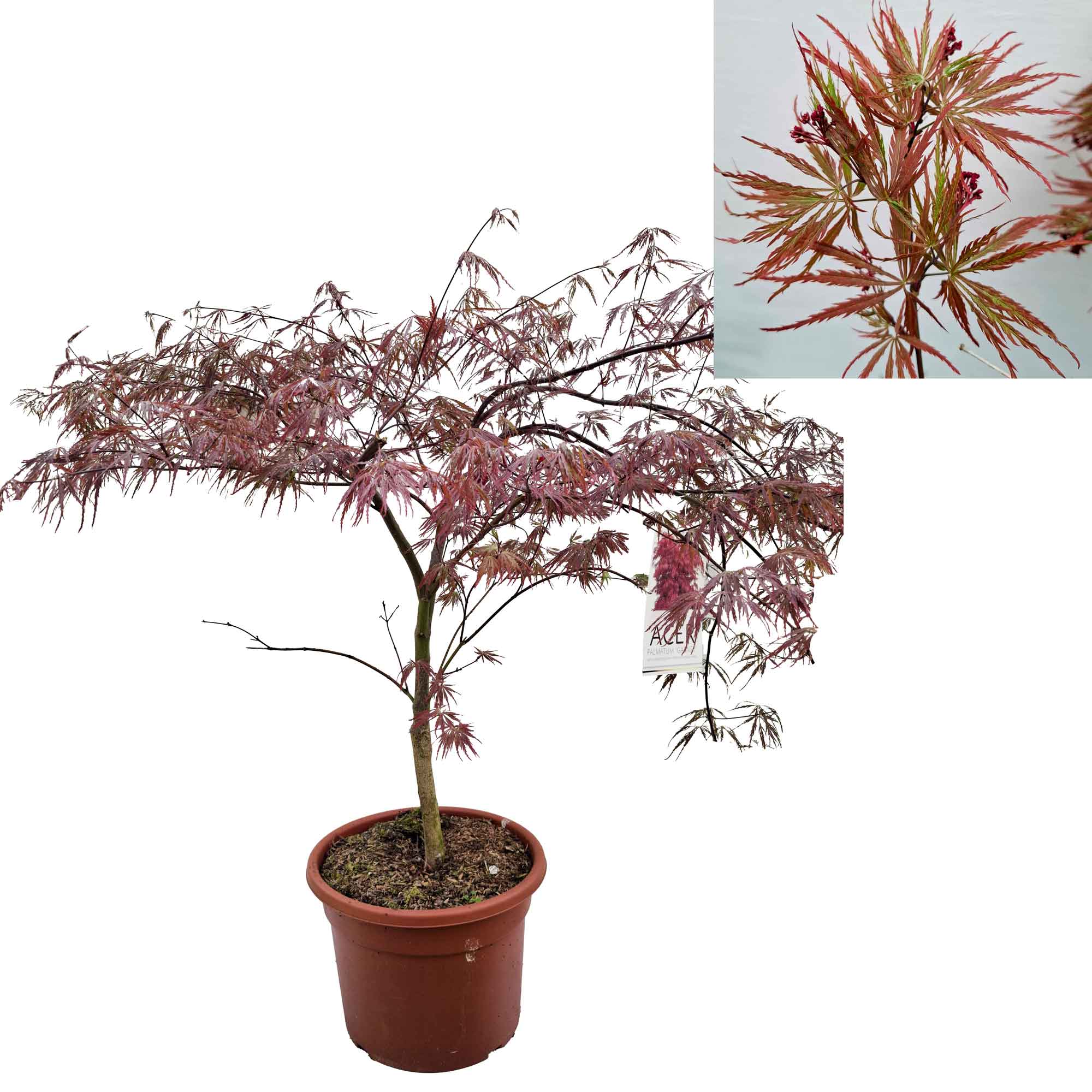
What characterizes Japanese maple?
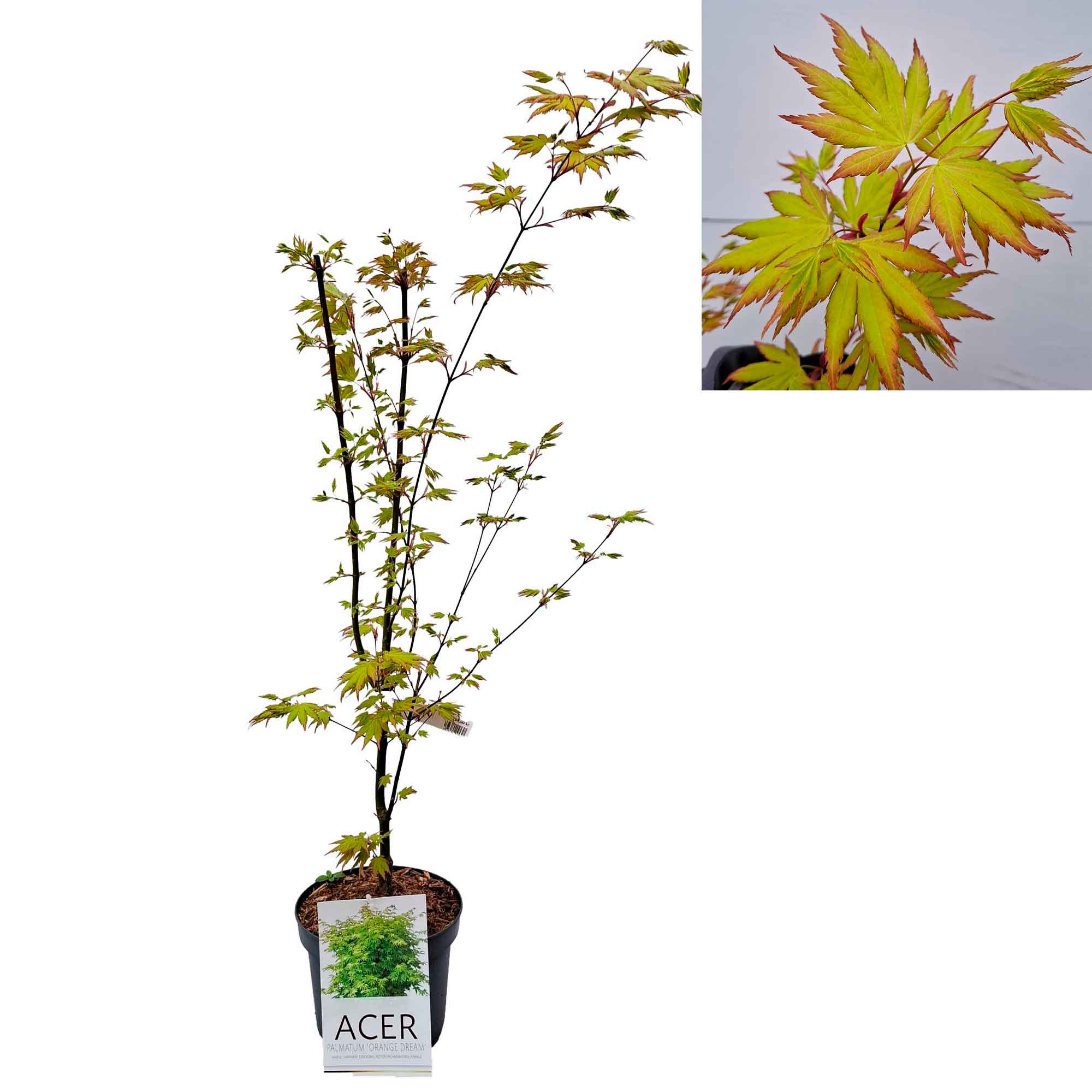
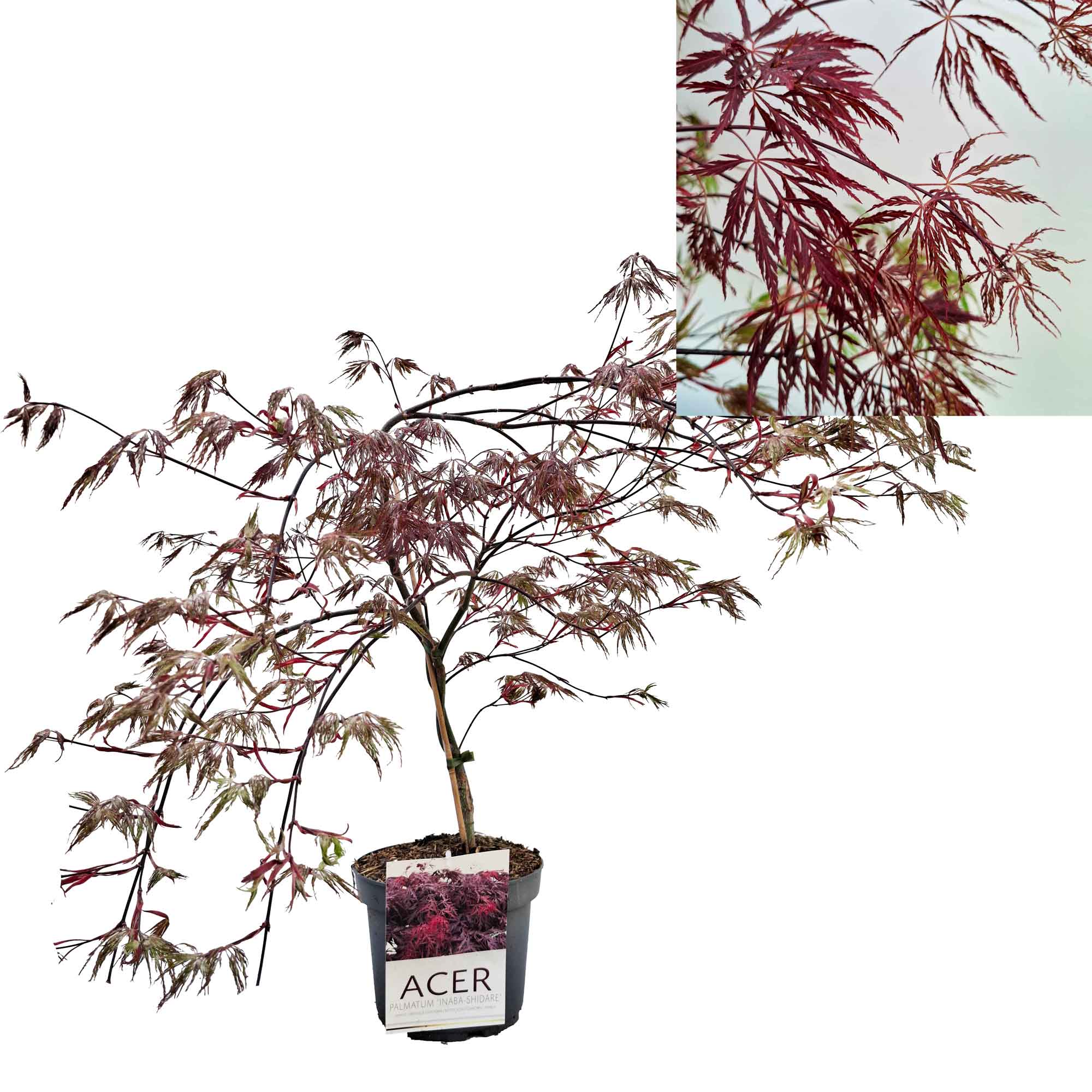
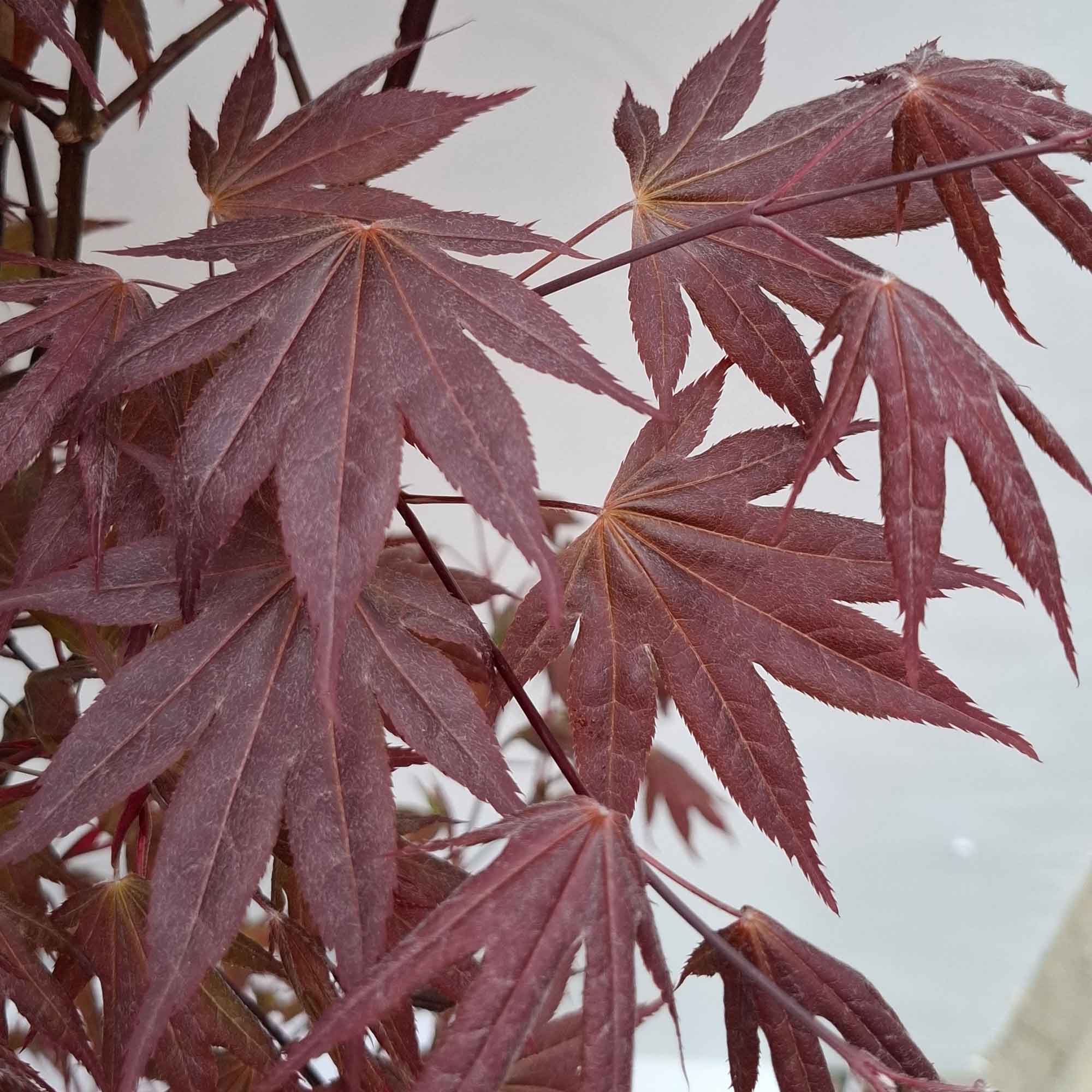
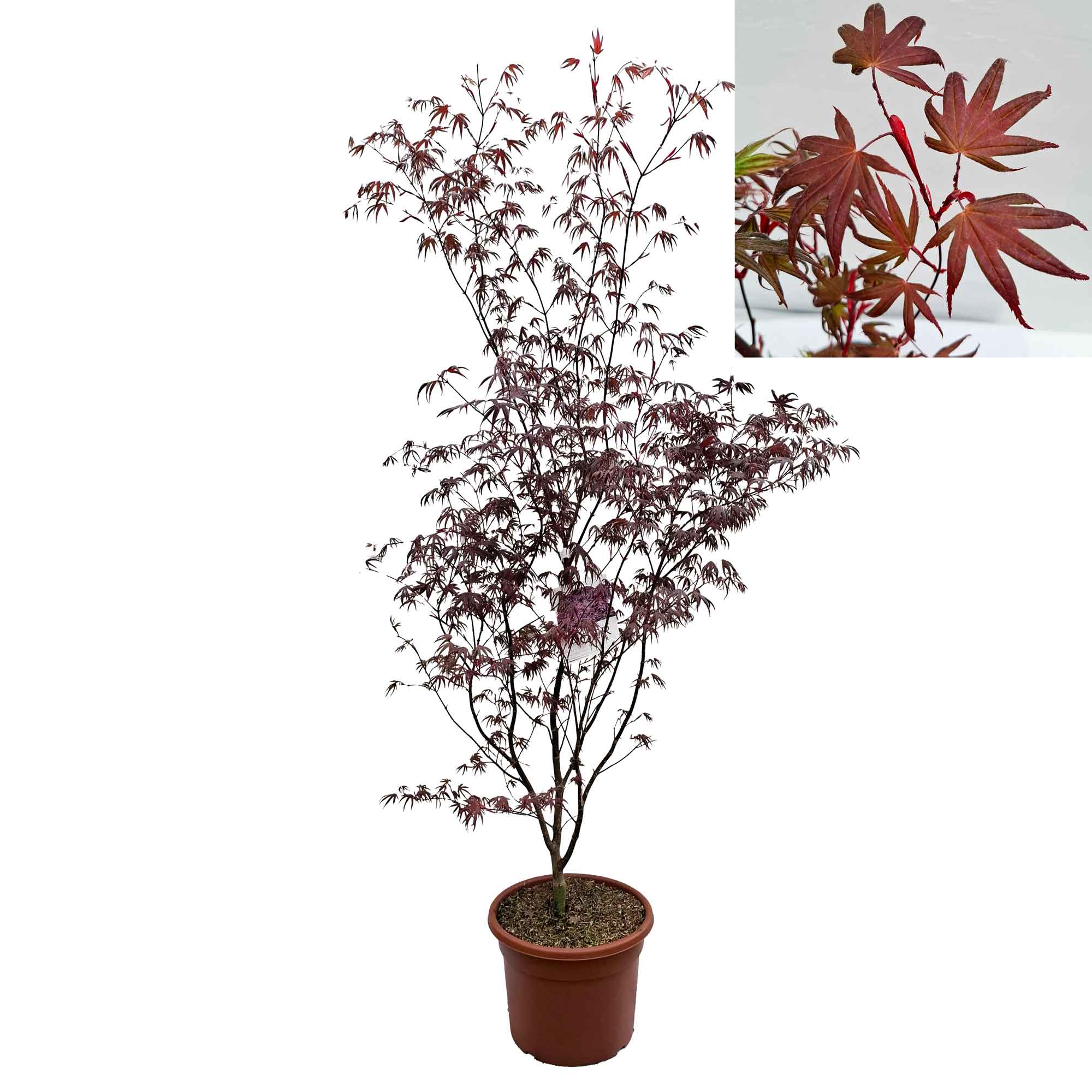
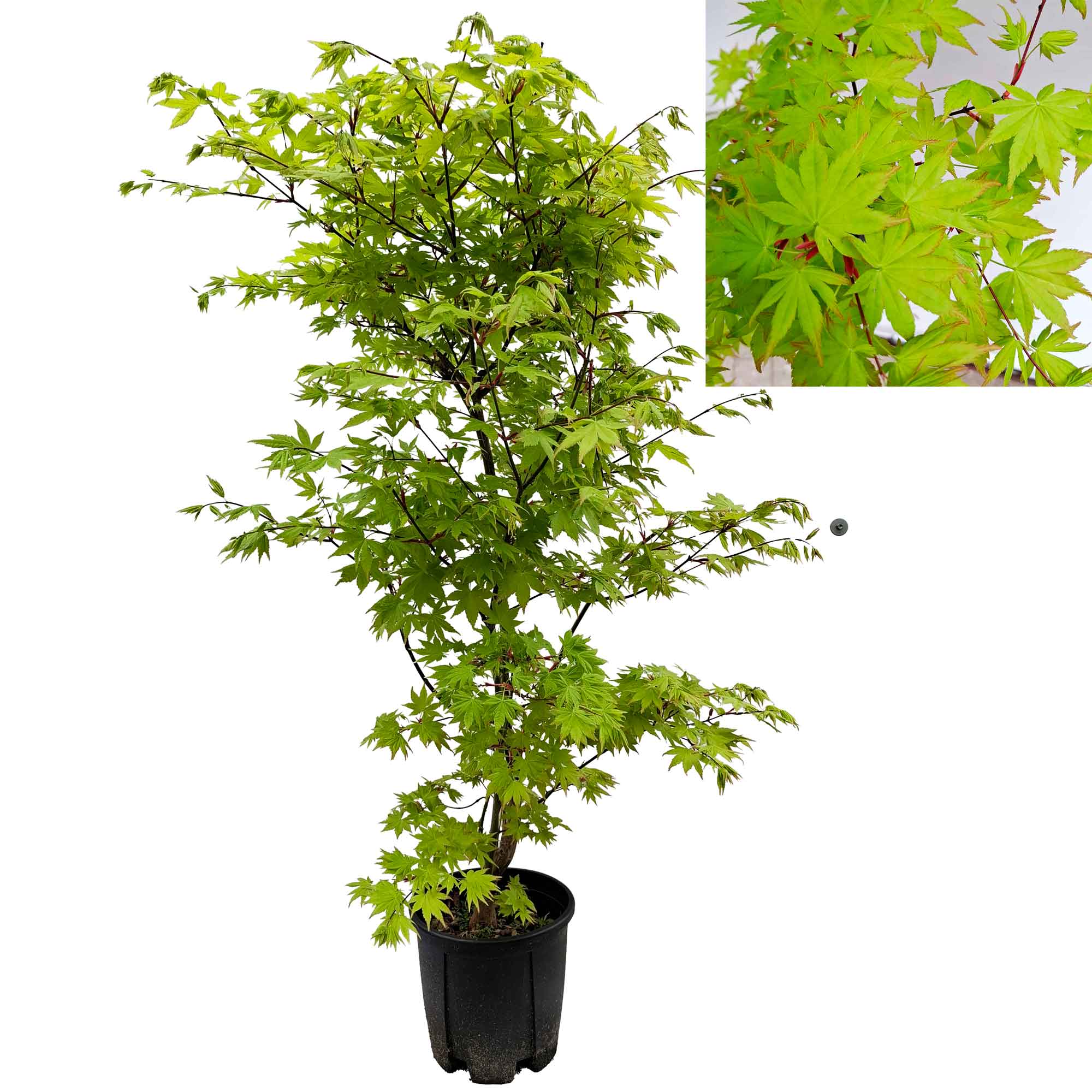
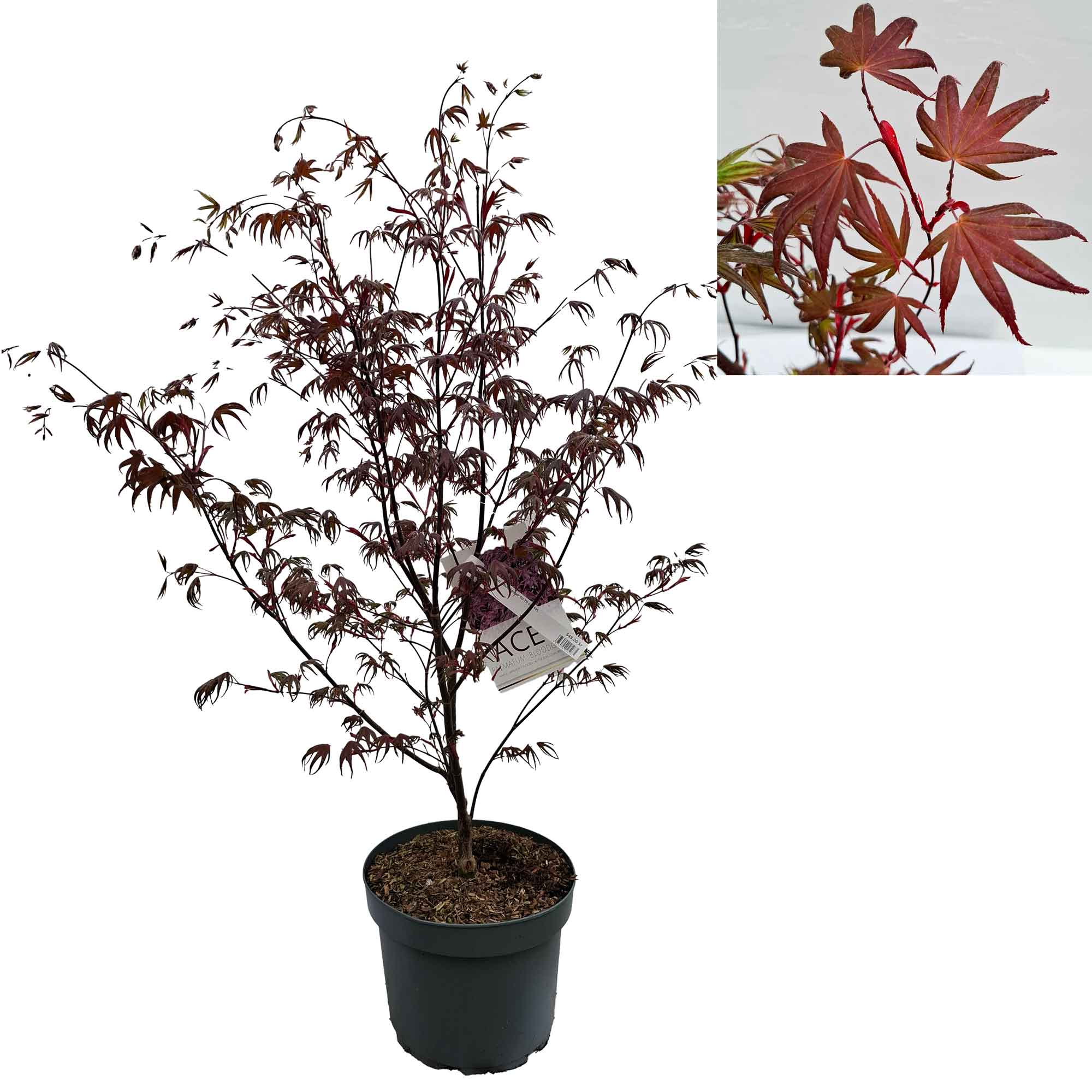
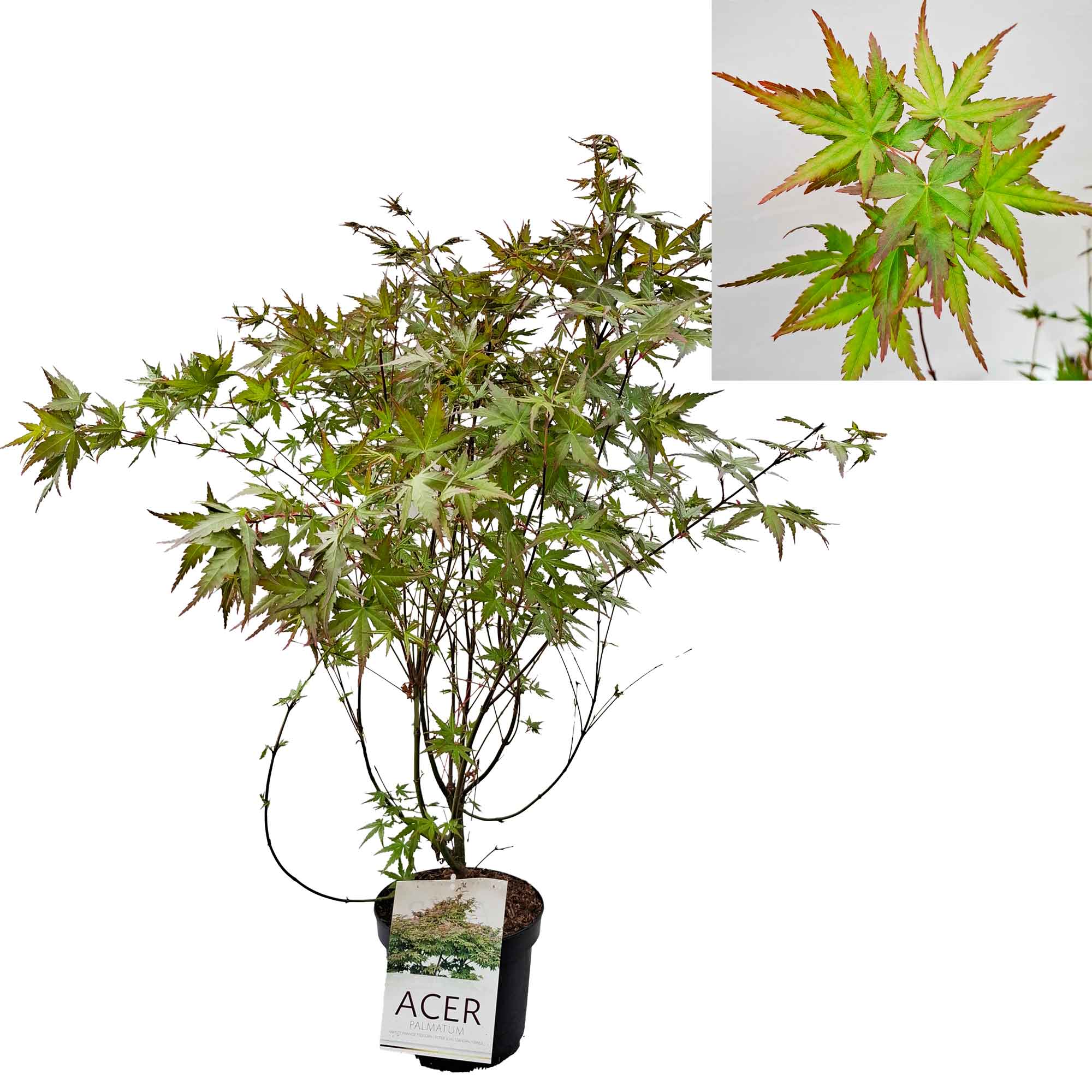
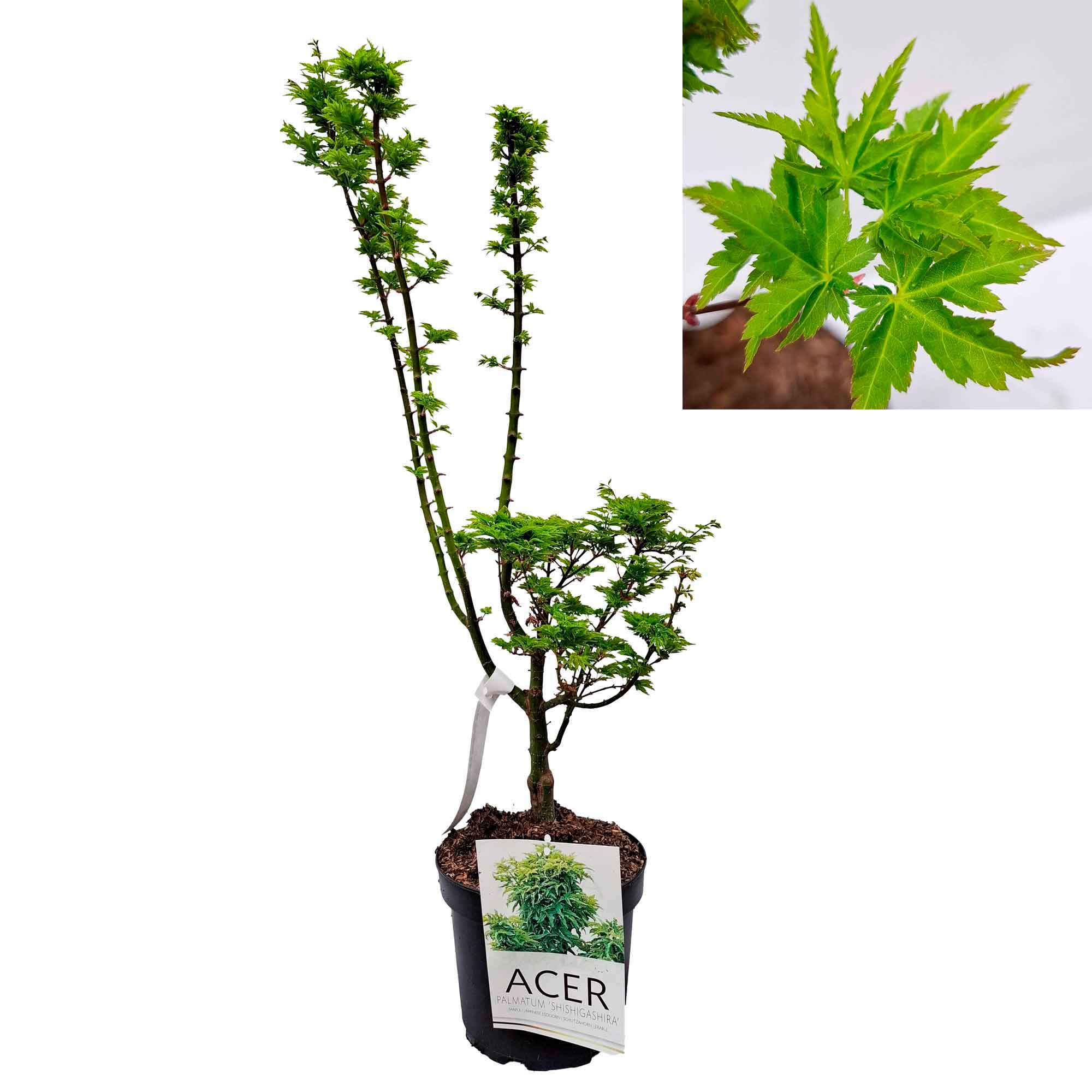
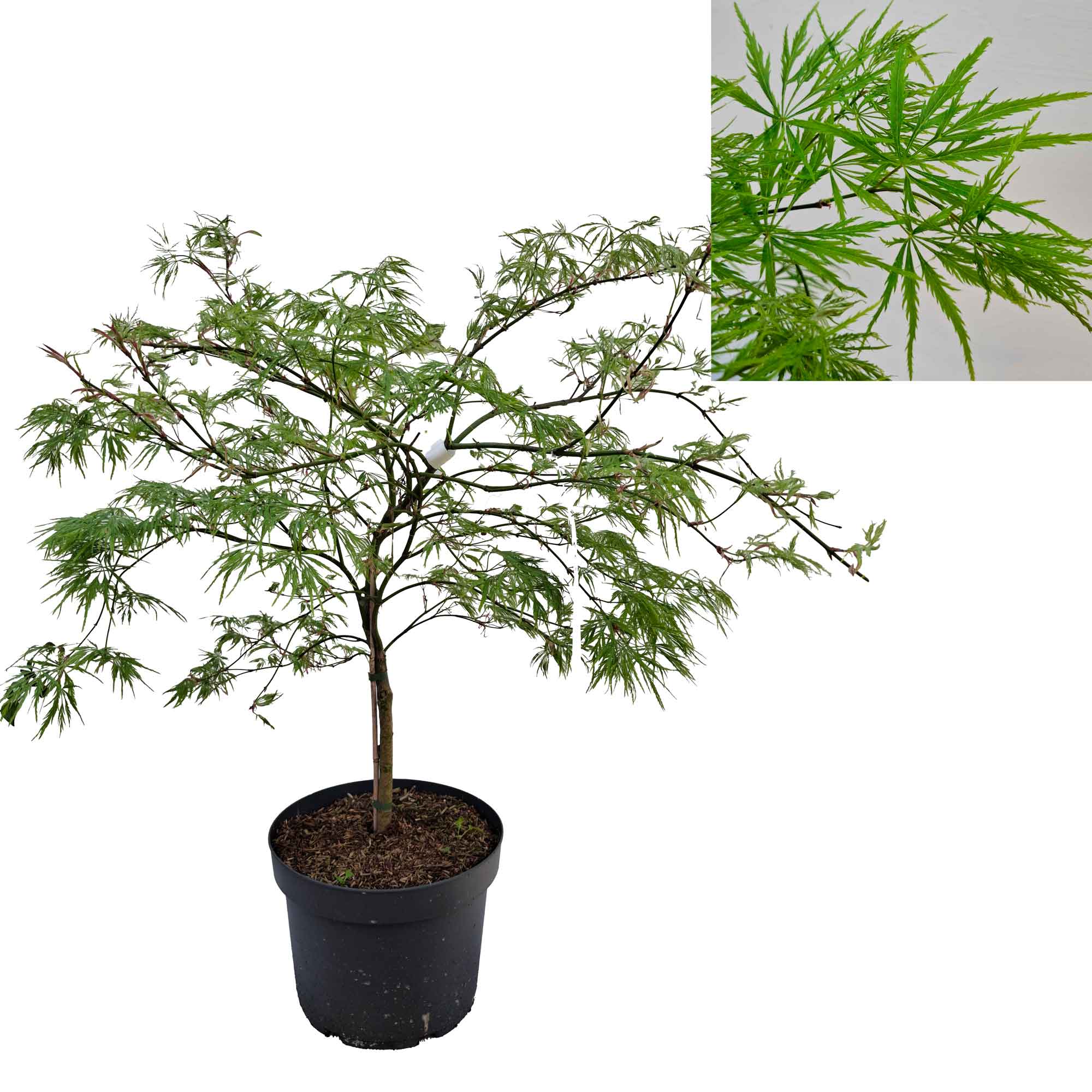
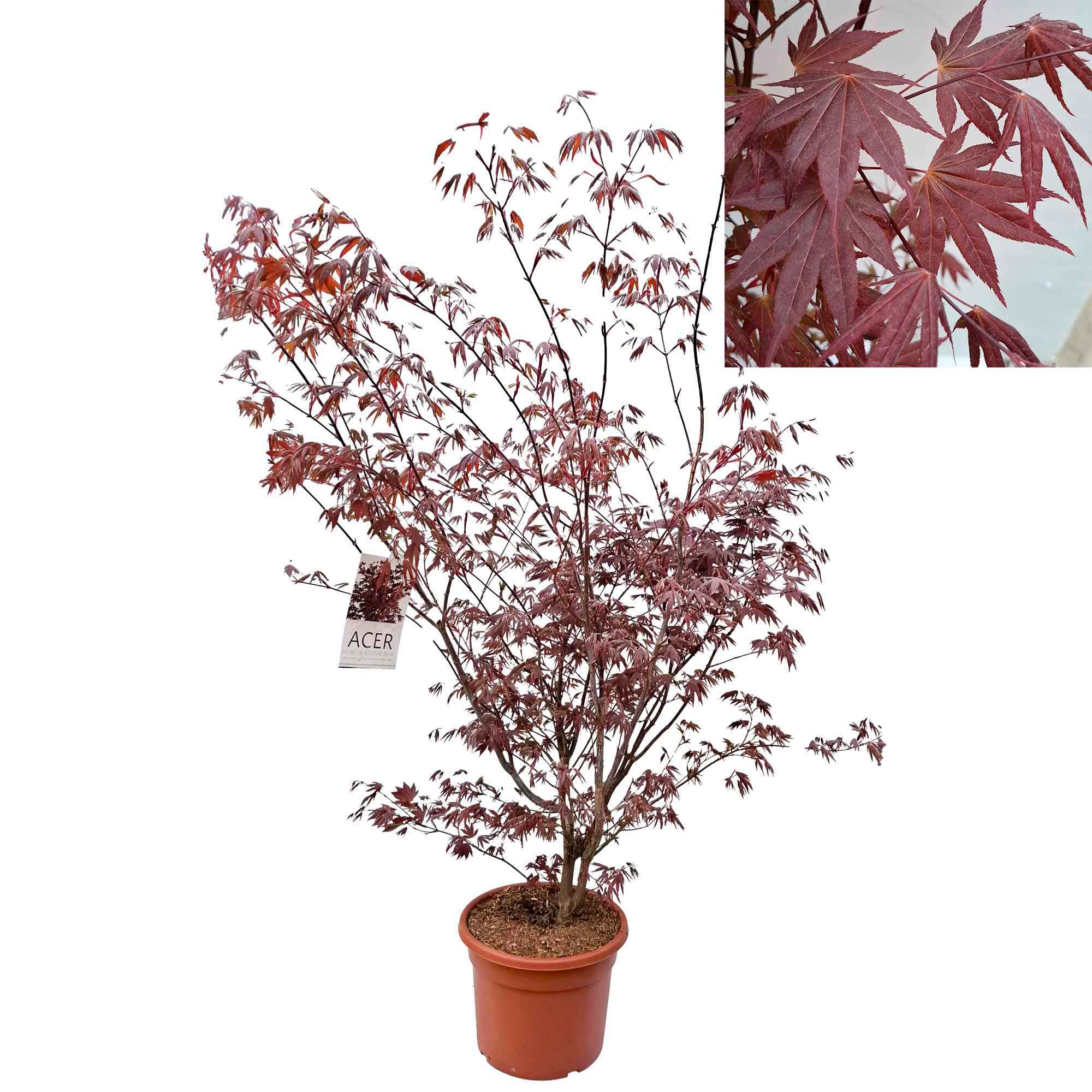
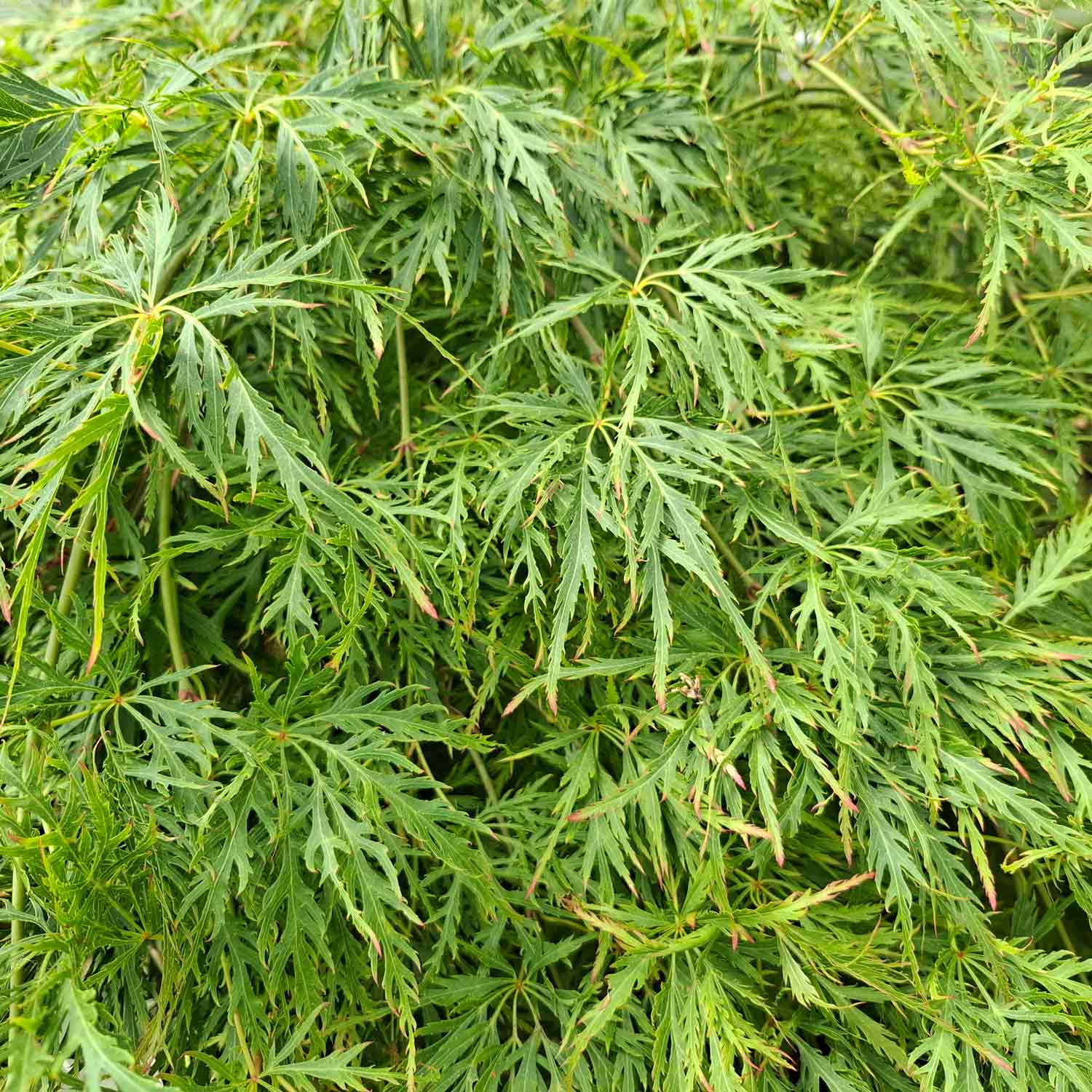
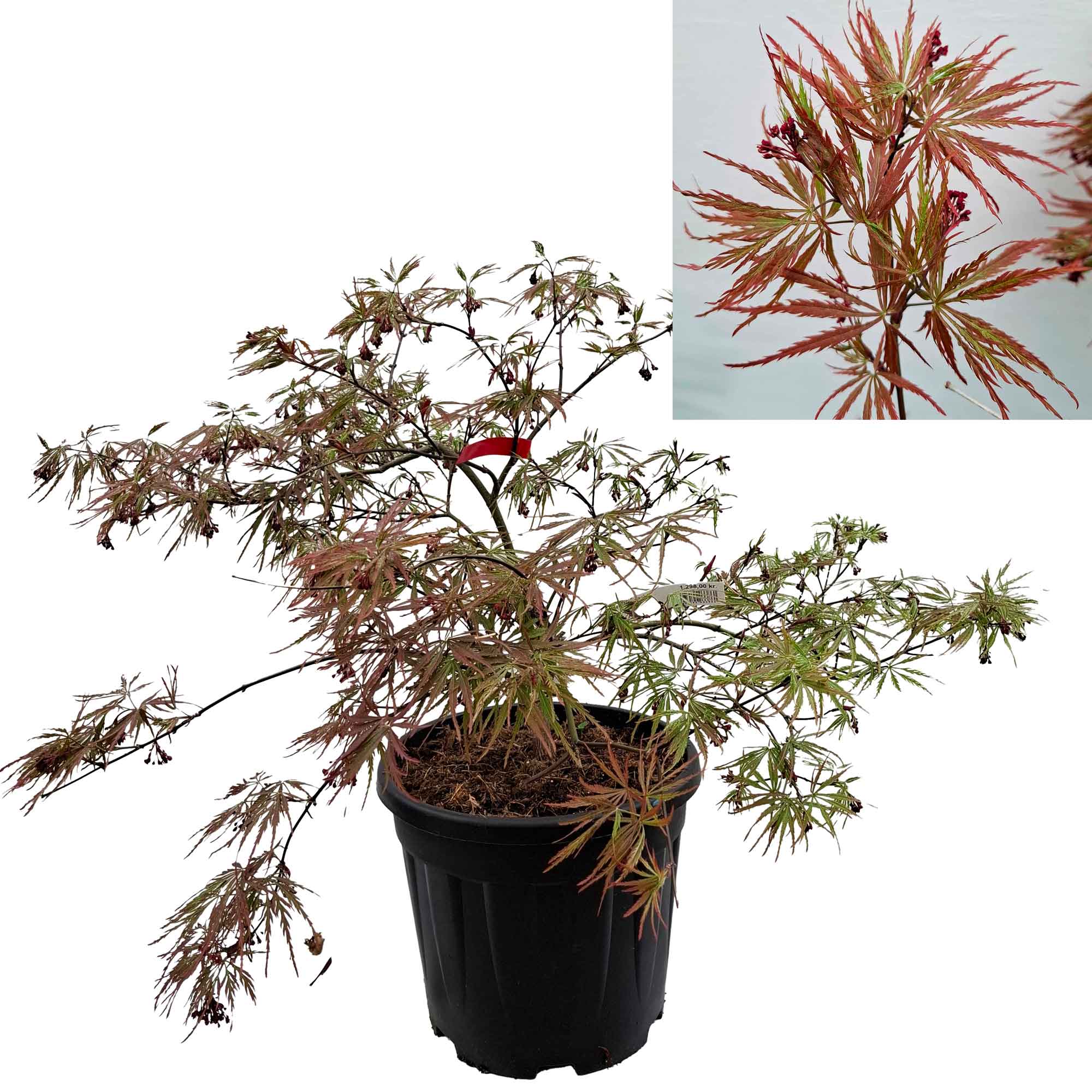
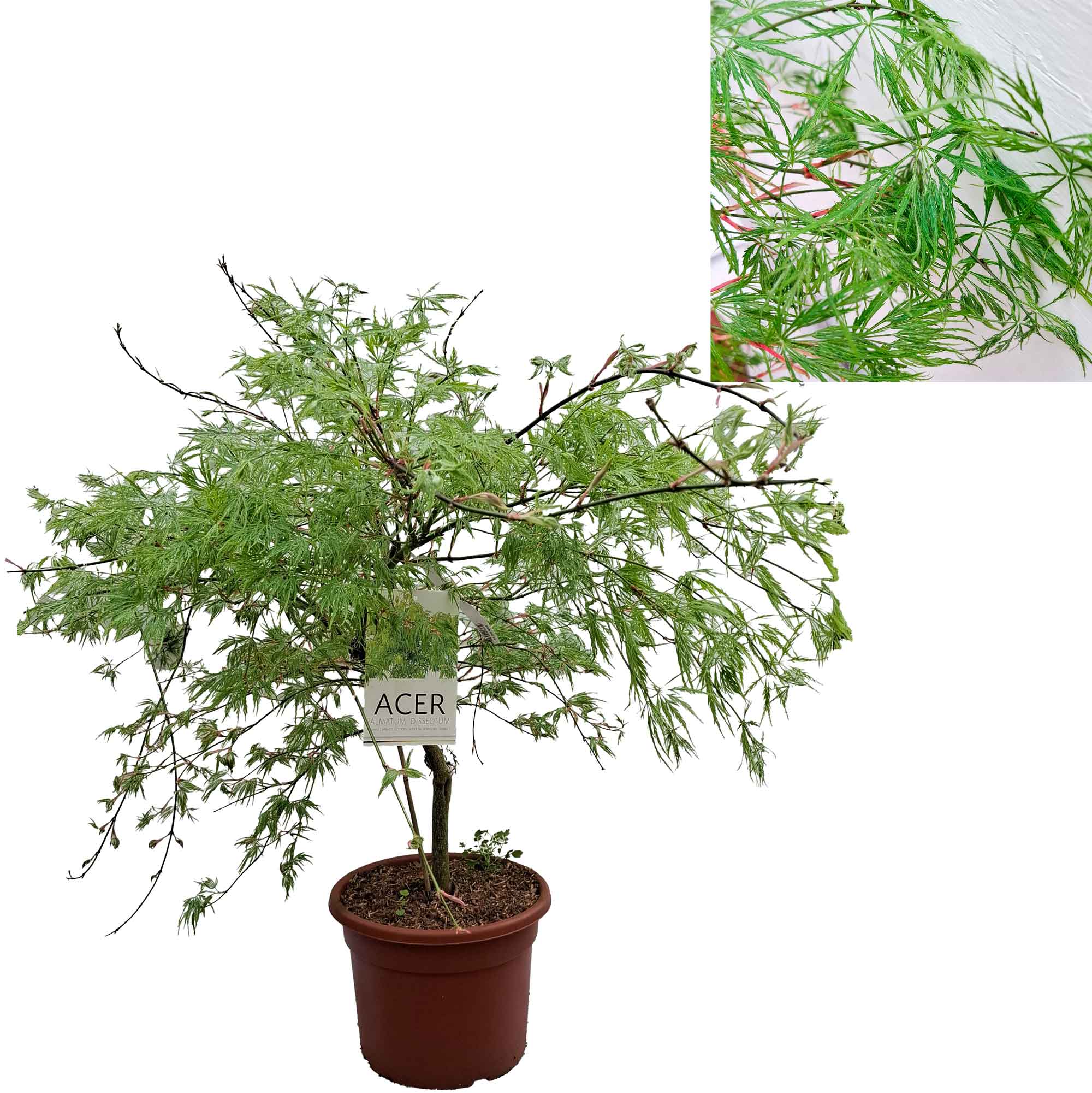
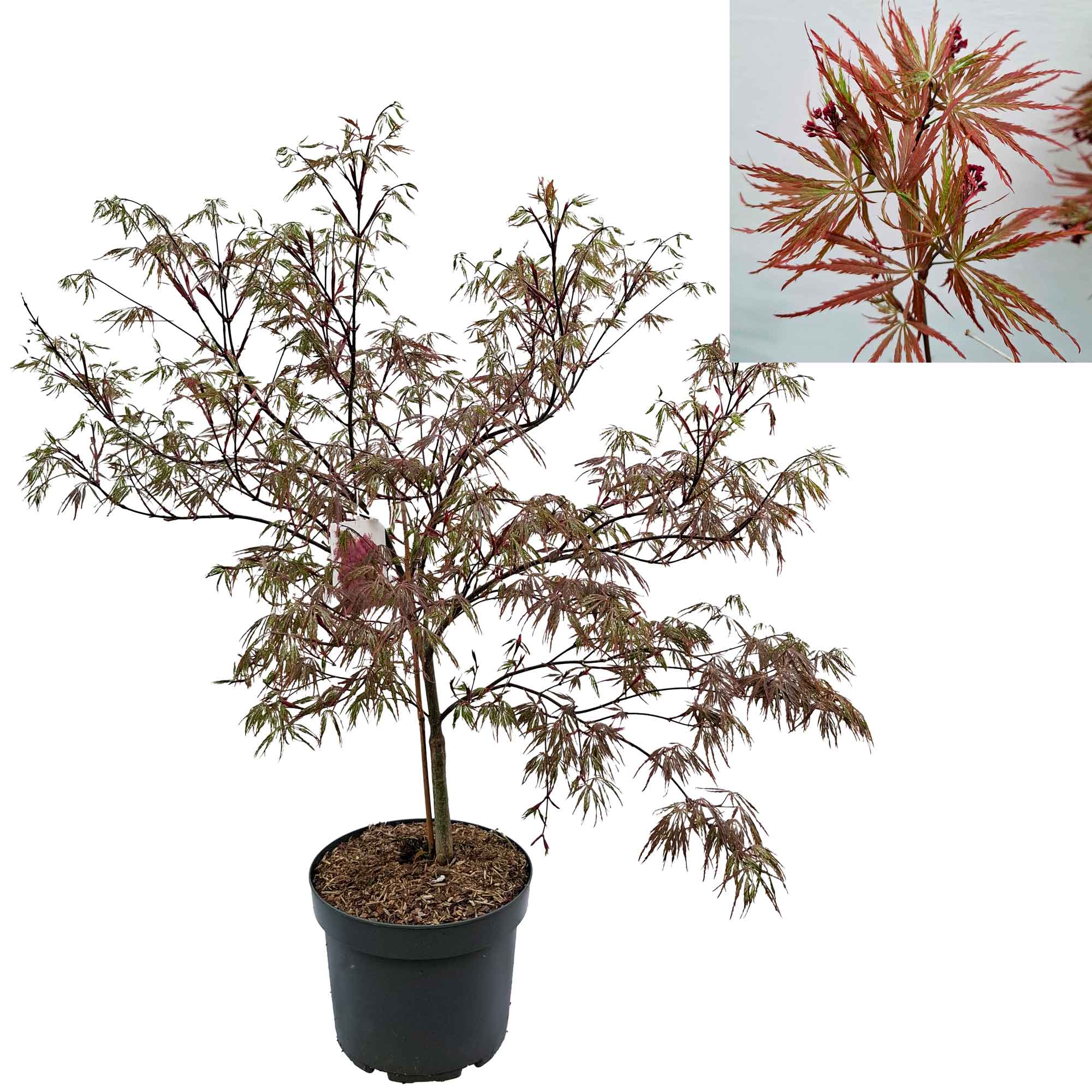
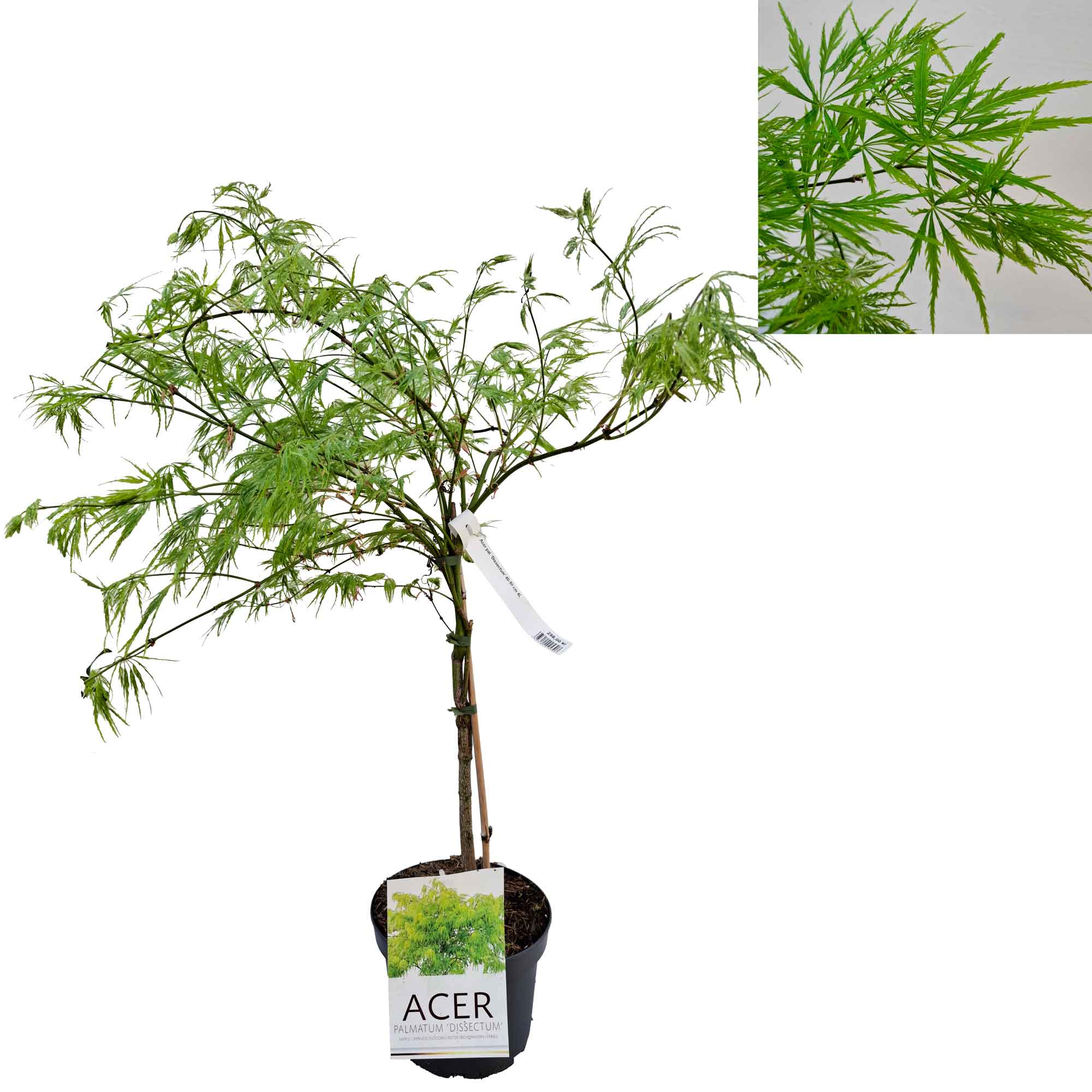
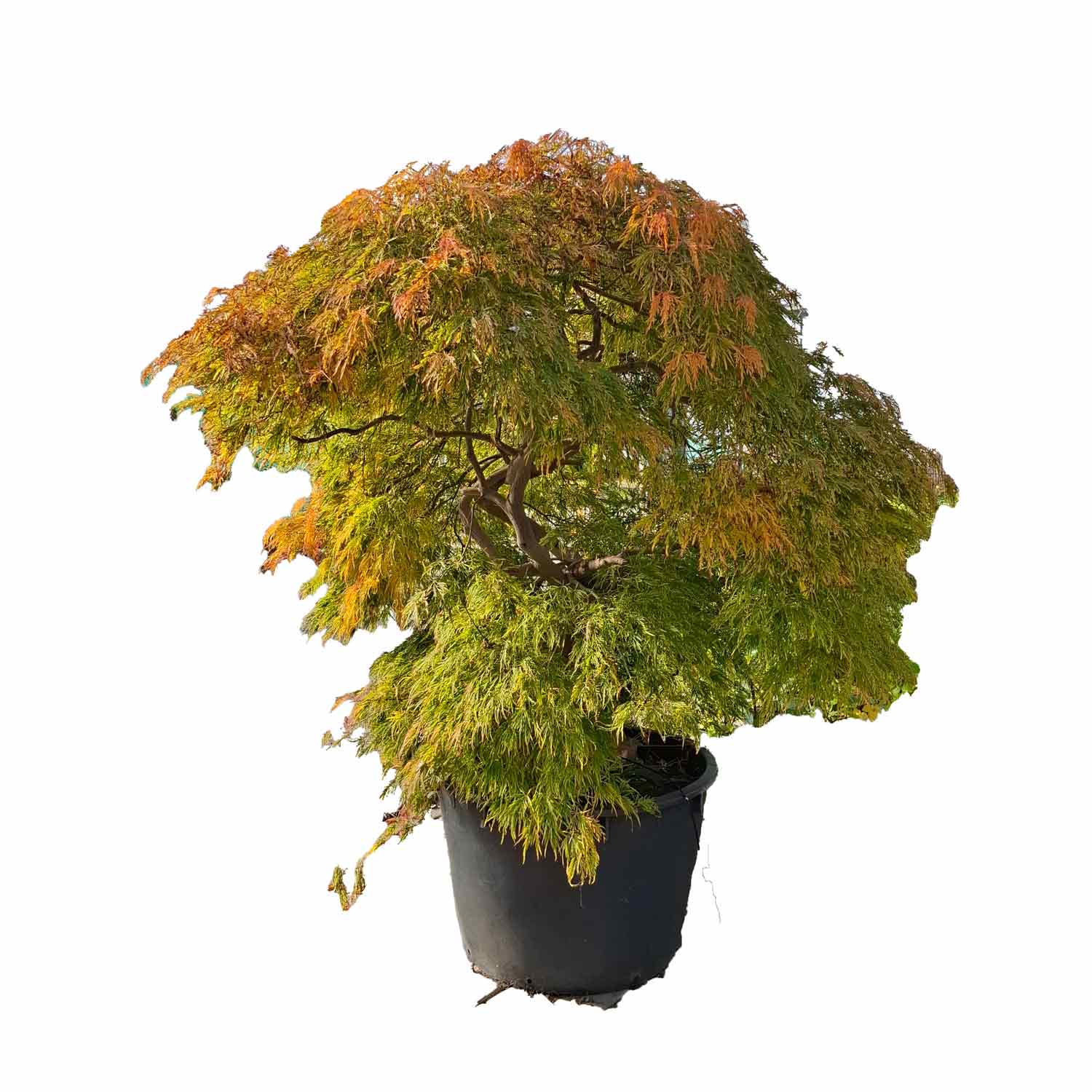
Japanese maple, botanically known as Acer palmatum, is one of the most decorative small trees for the garden. It is highly valued for its deeply lobed leaves that change color from the fresh shades of spring to the deep tones of summer and the warm, glowing colors of autumn.
The tree has a naturally soft and harmonious growth form that creates peace and balance in the garden, whether it is planted singly, in beds or as part of an oriental garden.
Placement and care of Acer palmatum
Japanese maples thrive best in sheltered, light shade and moisture-retaining, well-drained soil. Direct, strong midday sun can scorch the delicate leaves, while too much wind can dry them out.
With proper placement, Acer palmatum types develop into beautiful ornamental trees. They are suitable for both smaller gardens, terraces and large pots. Regular watering and a humus-rich soil help the tree maintain its beautiful colors and healthy growth.
Japanese maple as an eye-catcher in the garden
With its elegant lines and changing colors, Japanese maple acts as a natural focal point. The tree is ideal for combining with shade-loving perennials, stones, water and structural elements if you want a calm and aesthetic expression in the garden.
Regardless of the variety, Acer palmatum gives an exclusive and artistic touch – perfect for both modern and classic garden environments.