


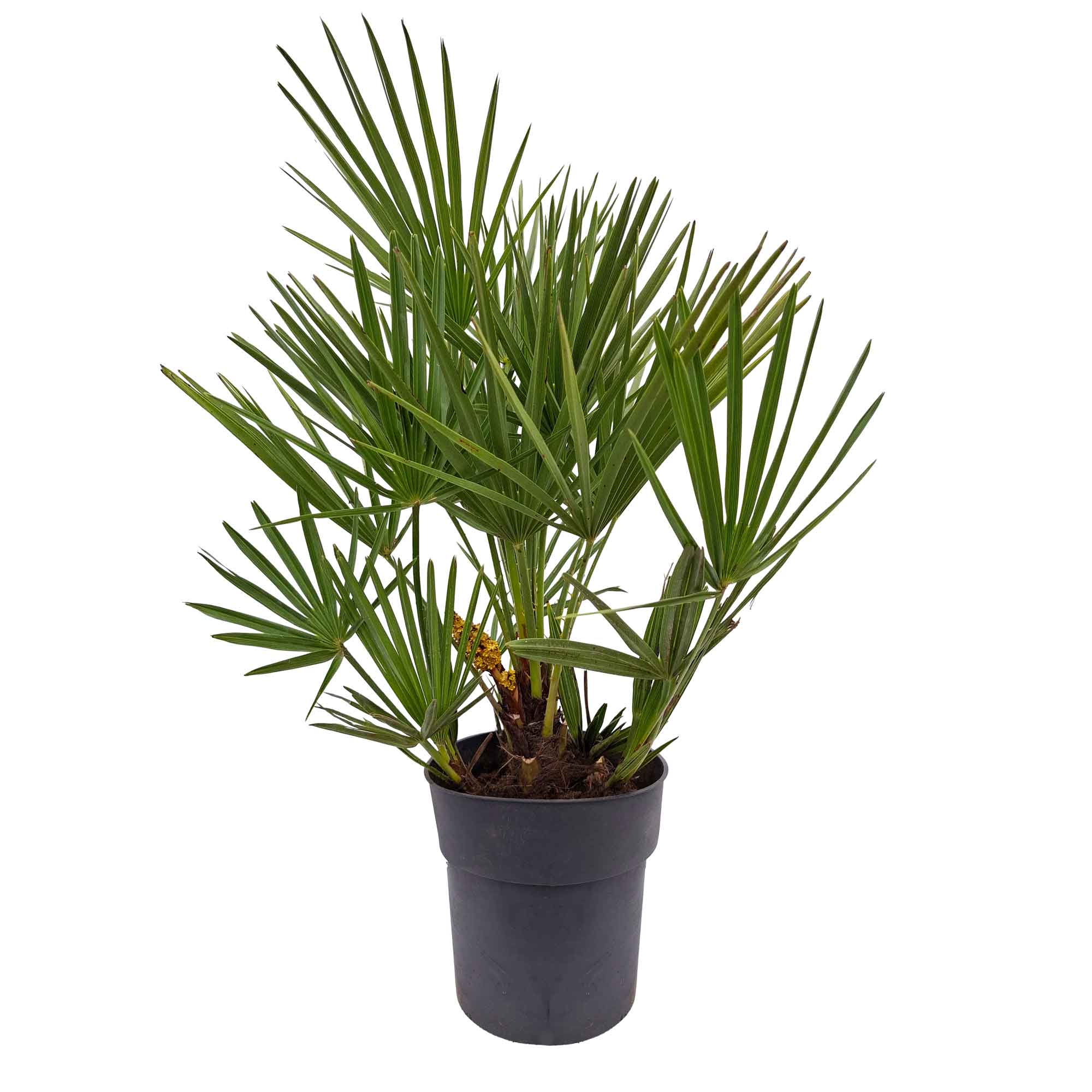
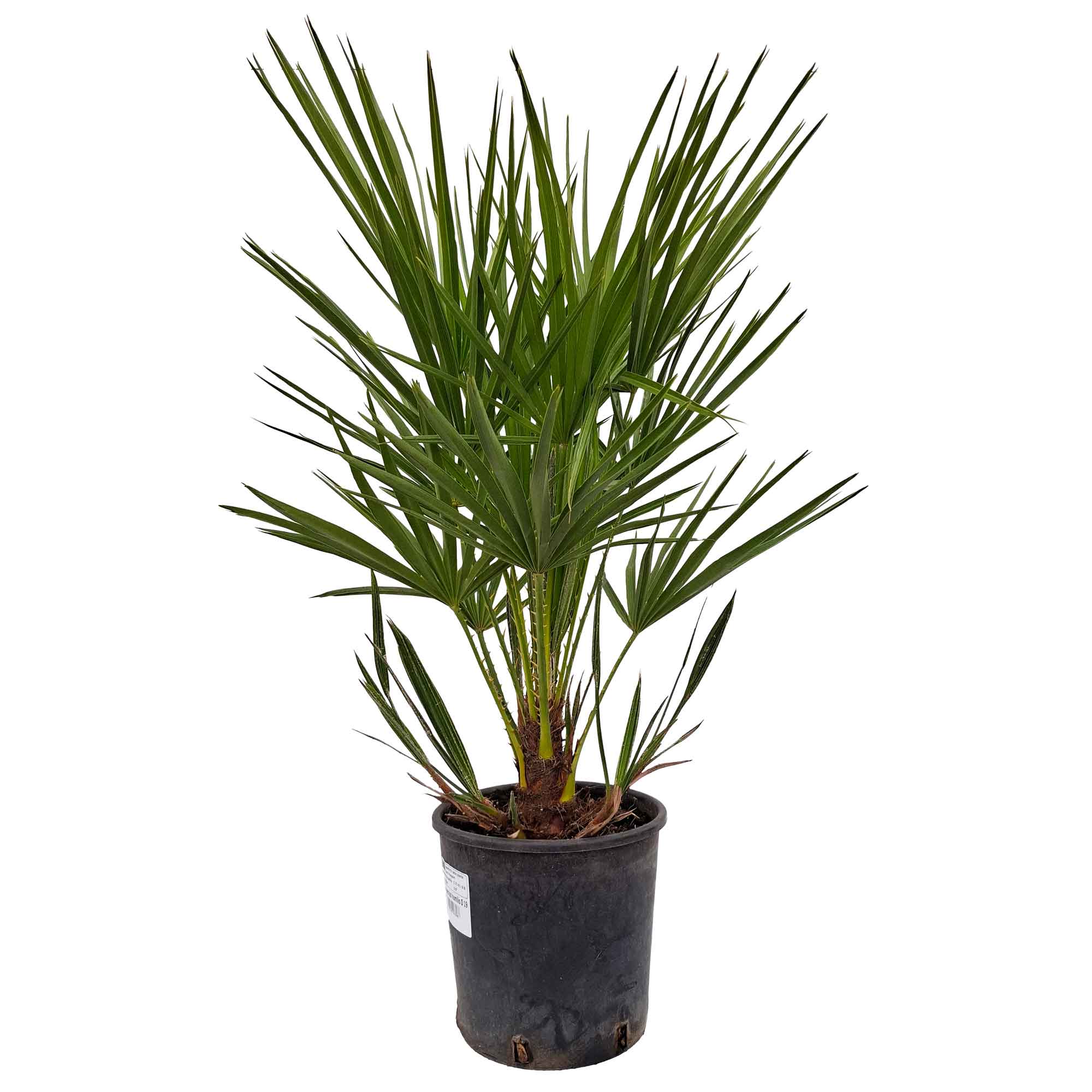
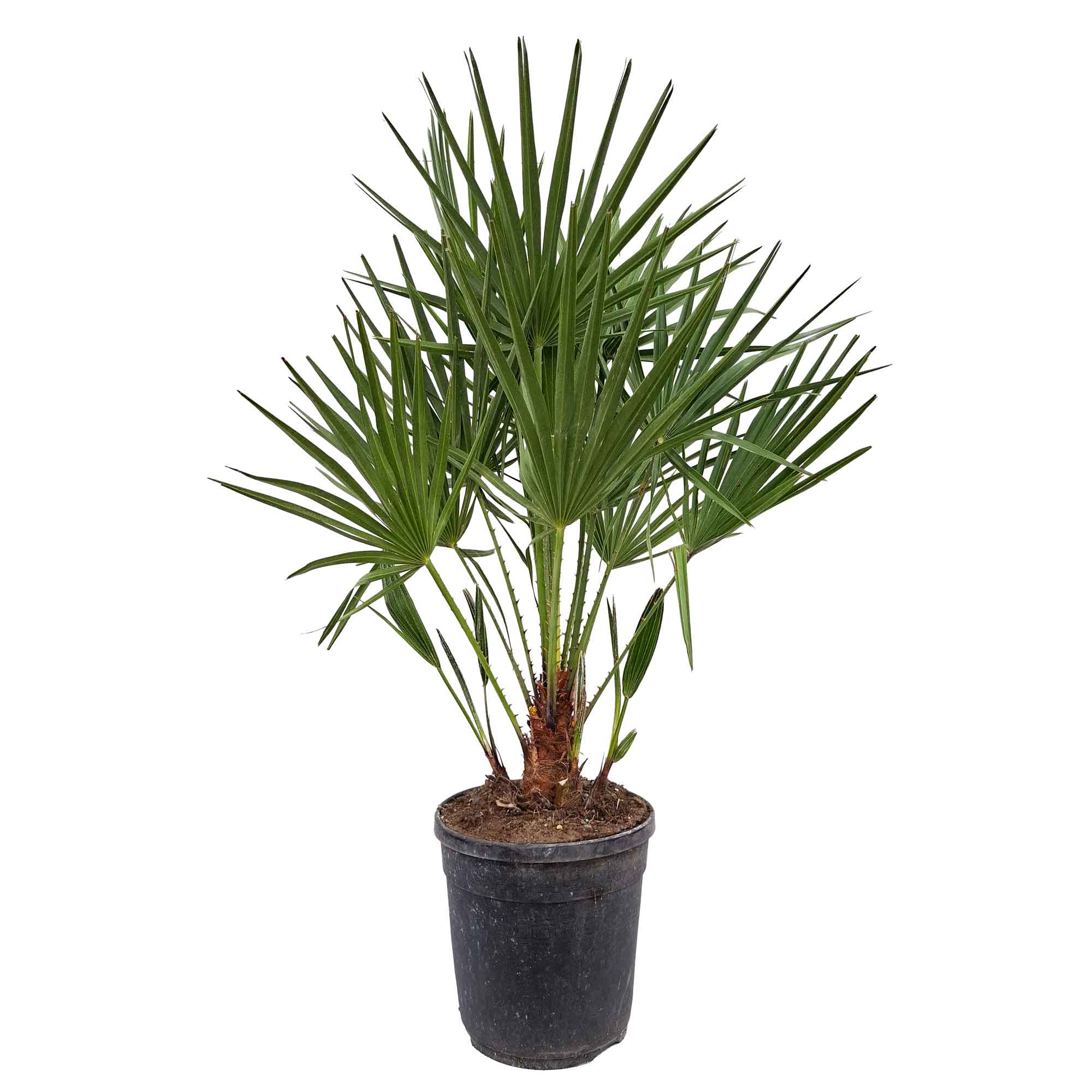
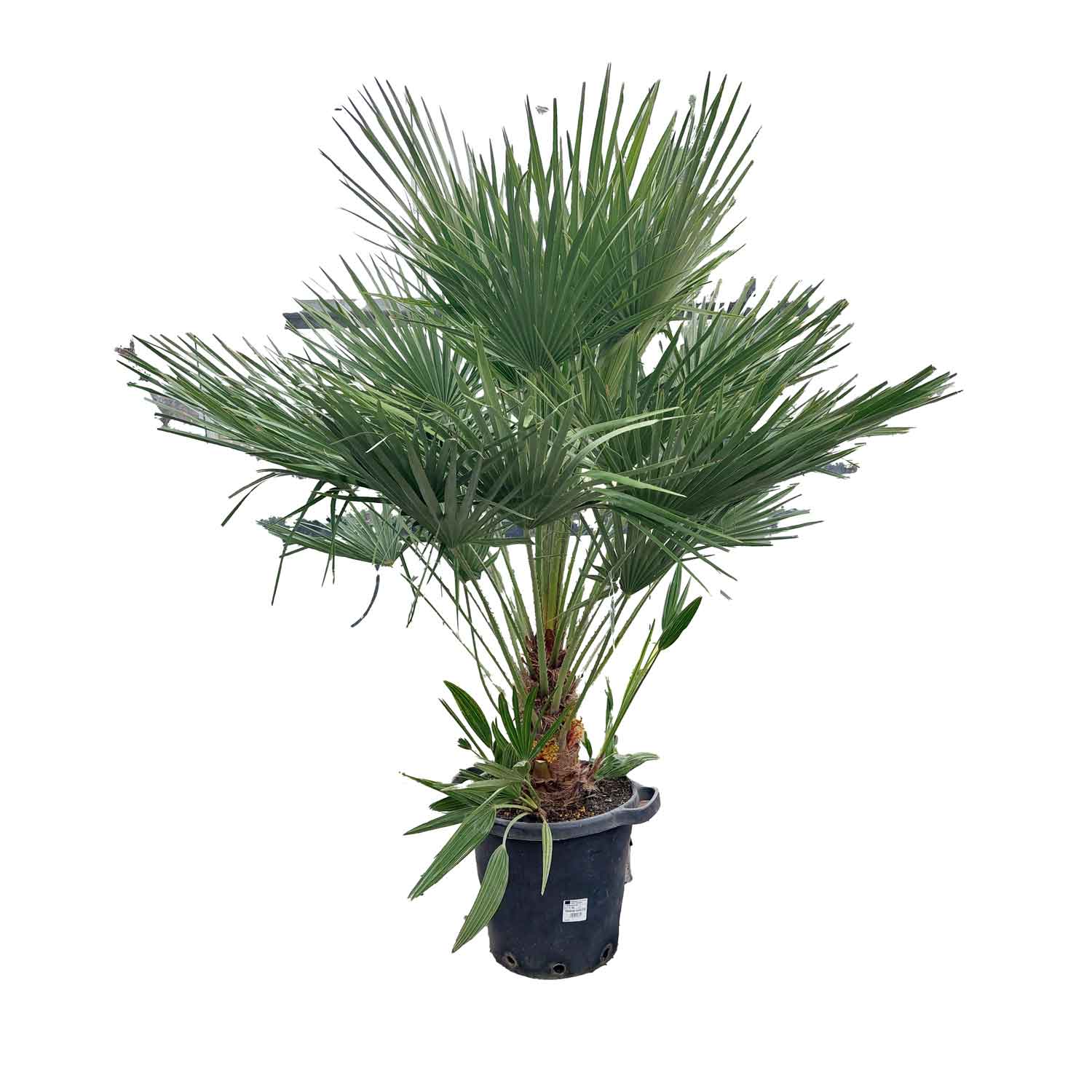
Why choose Mediterranean plants in the garden?
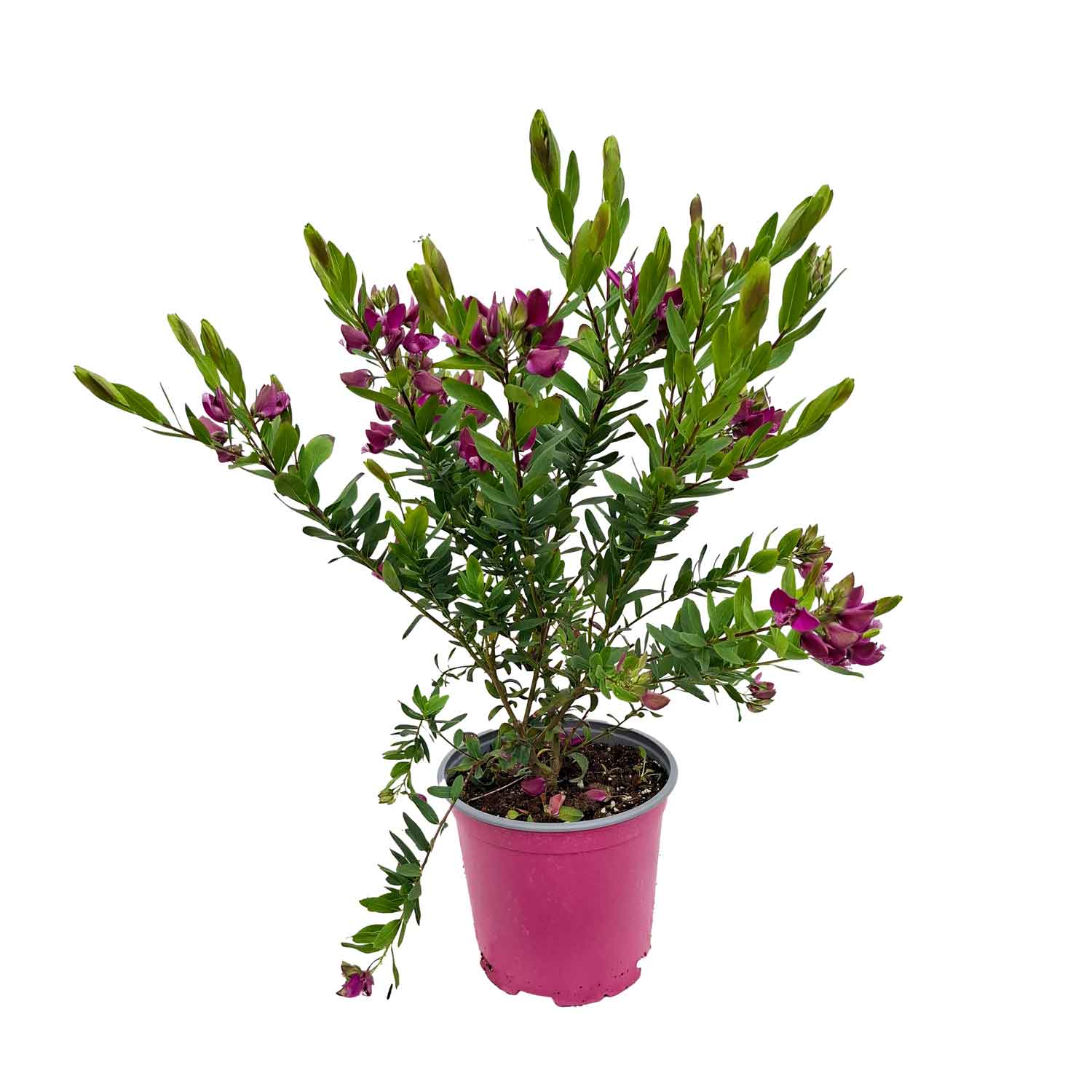
Mediterranean plants combine beauty and robustness, and are perfect for pots, patios and beds alike. Their foliage and colorful flowers make them a natural eye-catcher, while also attracting bees and butterflies.
They tolerate hot and dry conditions, making them ideal for sunny gardens and raised beds with good drainage.
Popular types of Mediterranean plants
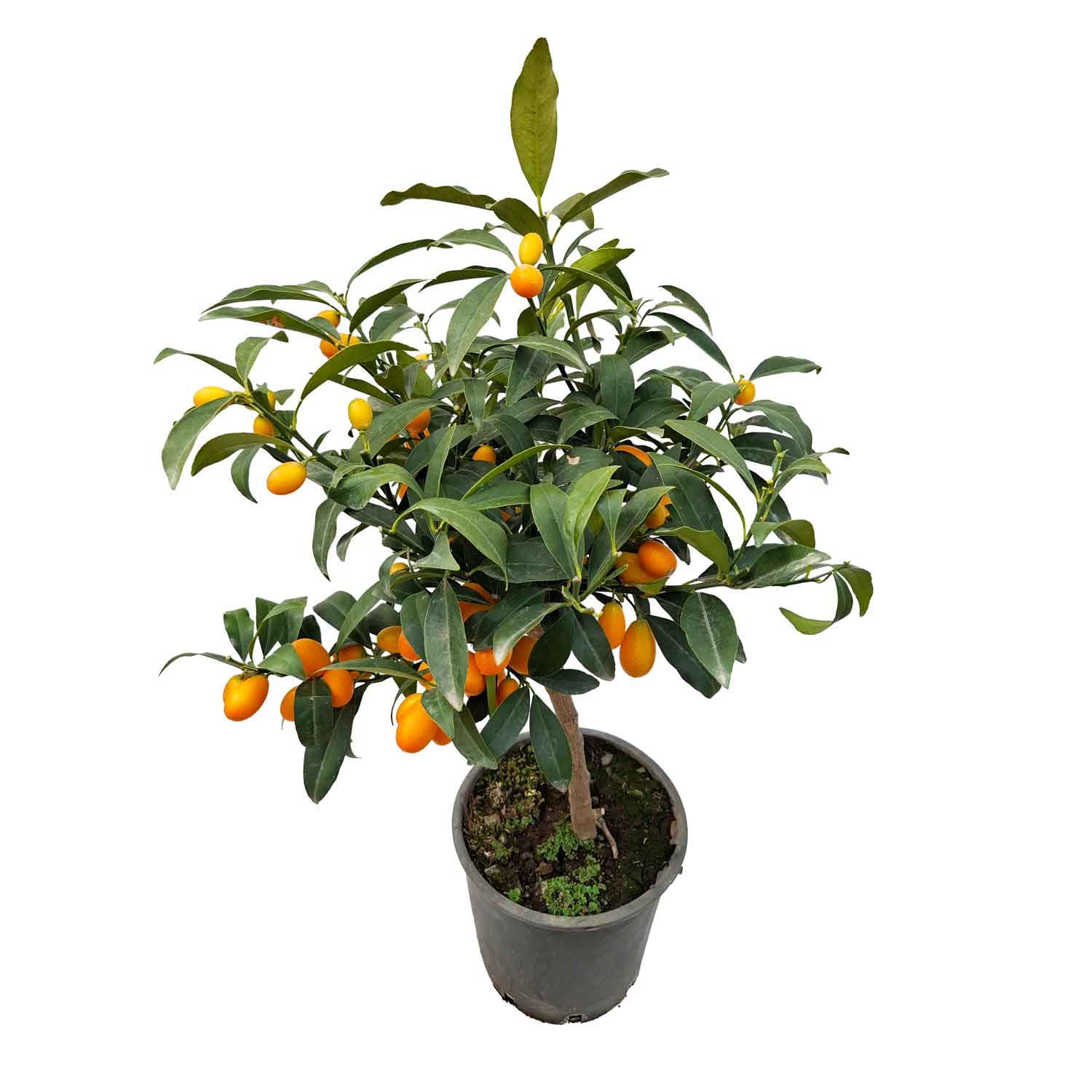
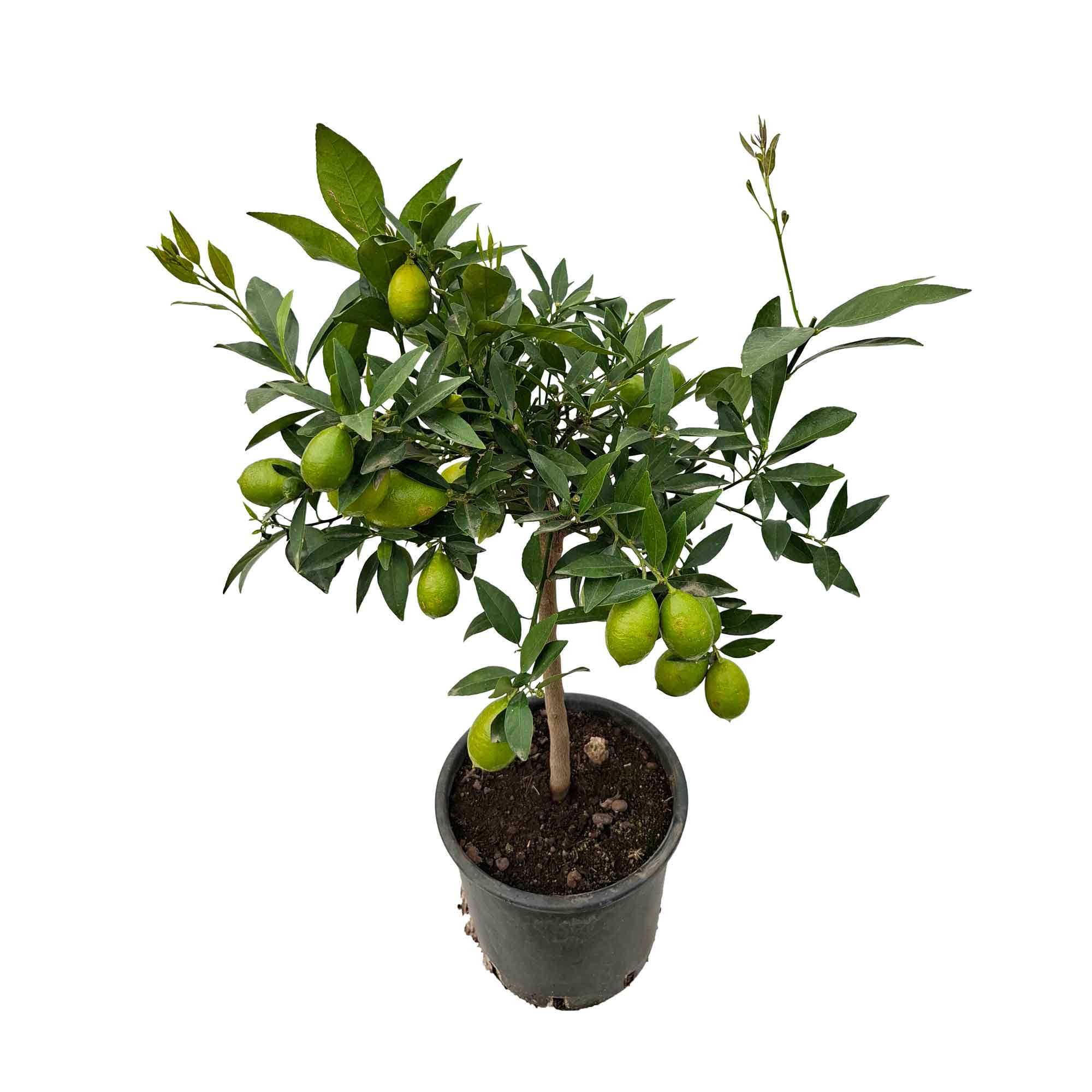
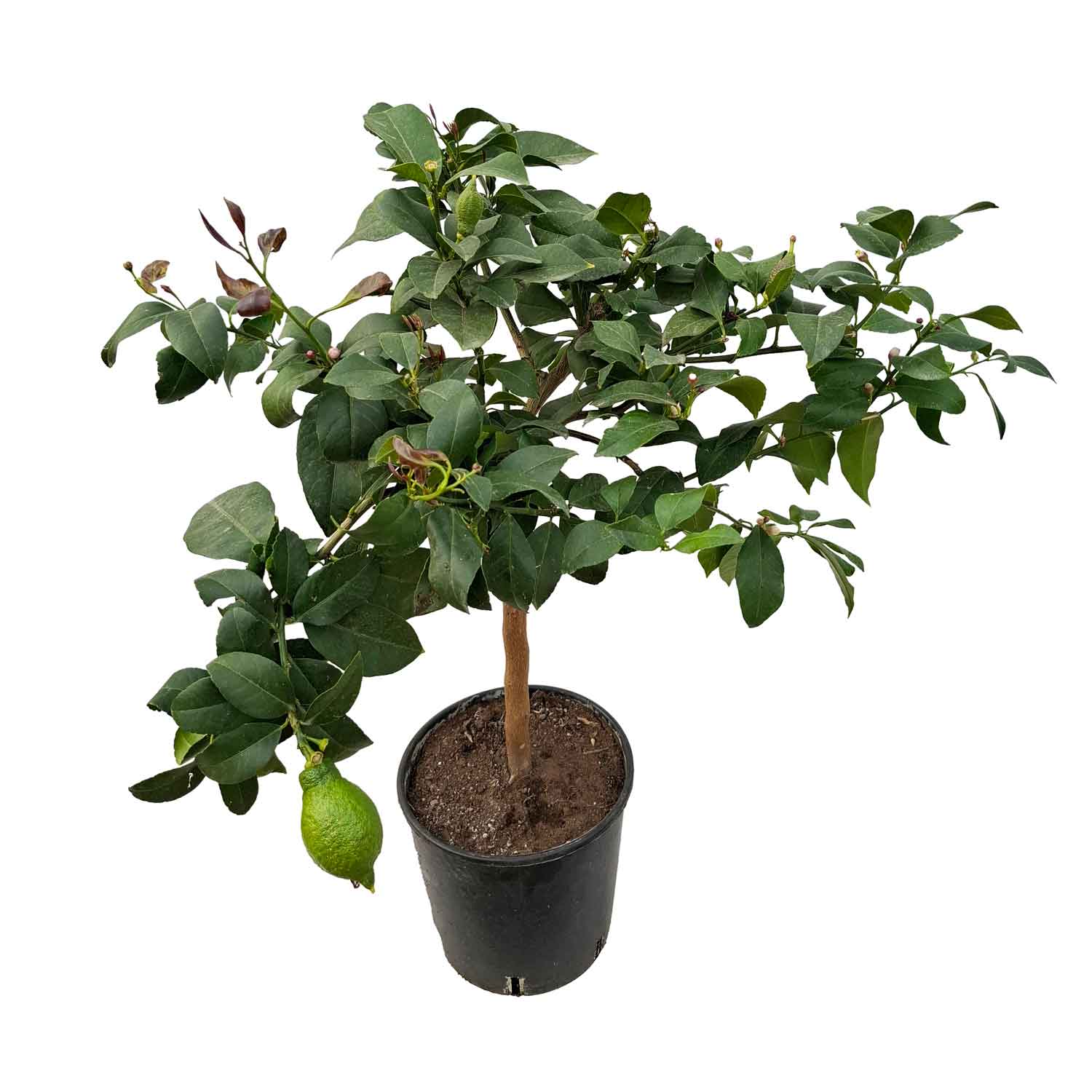
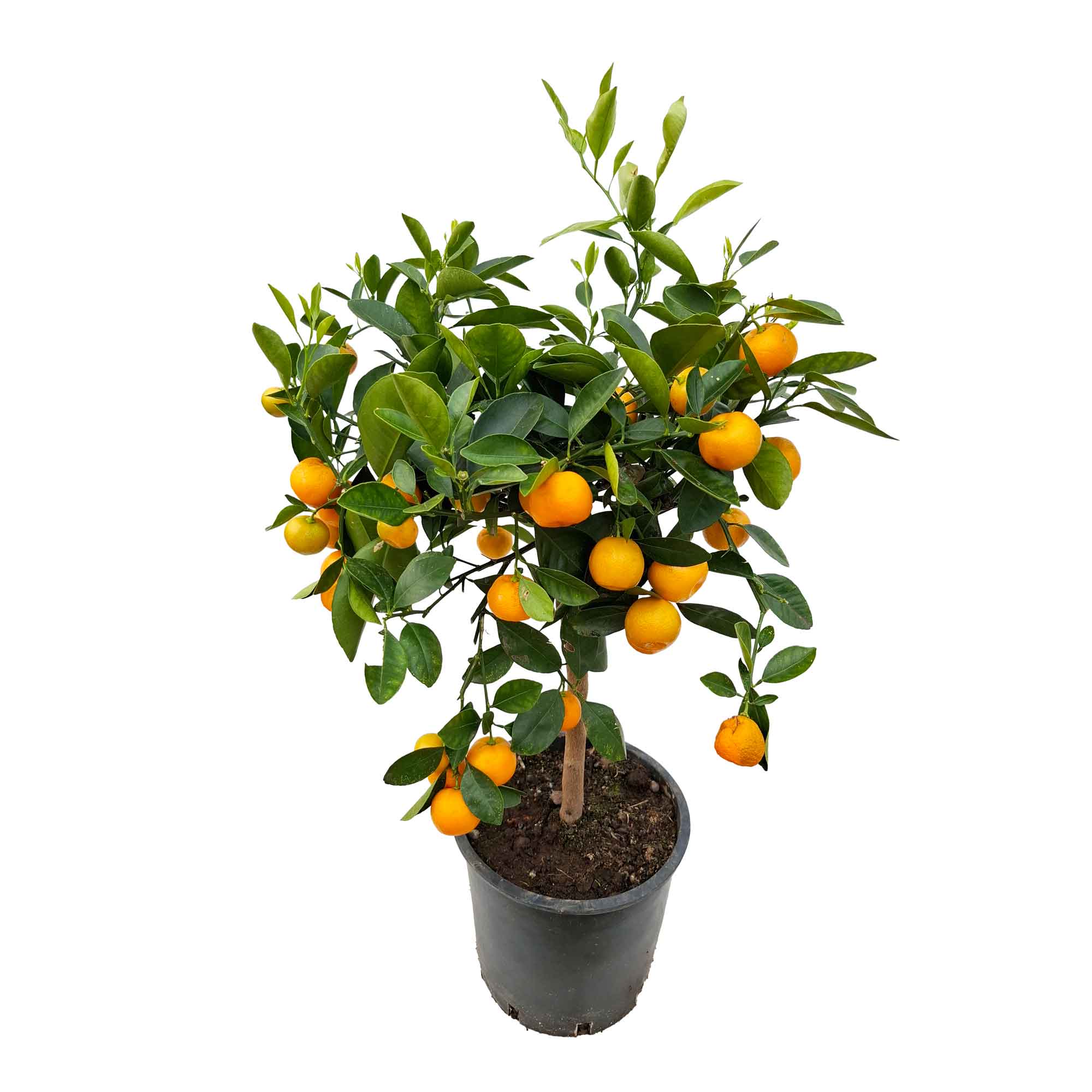
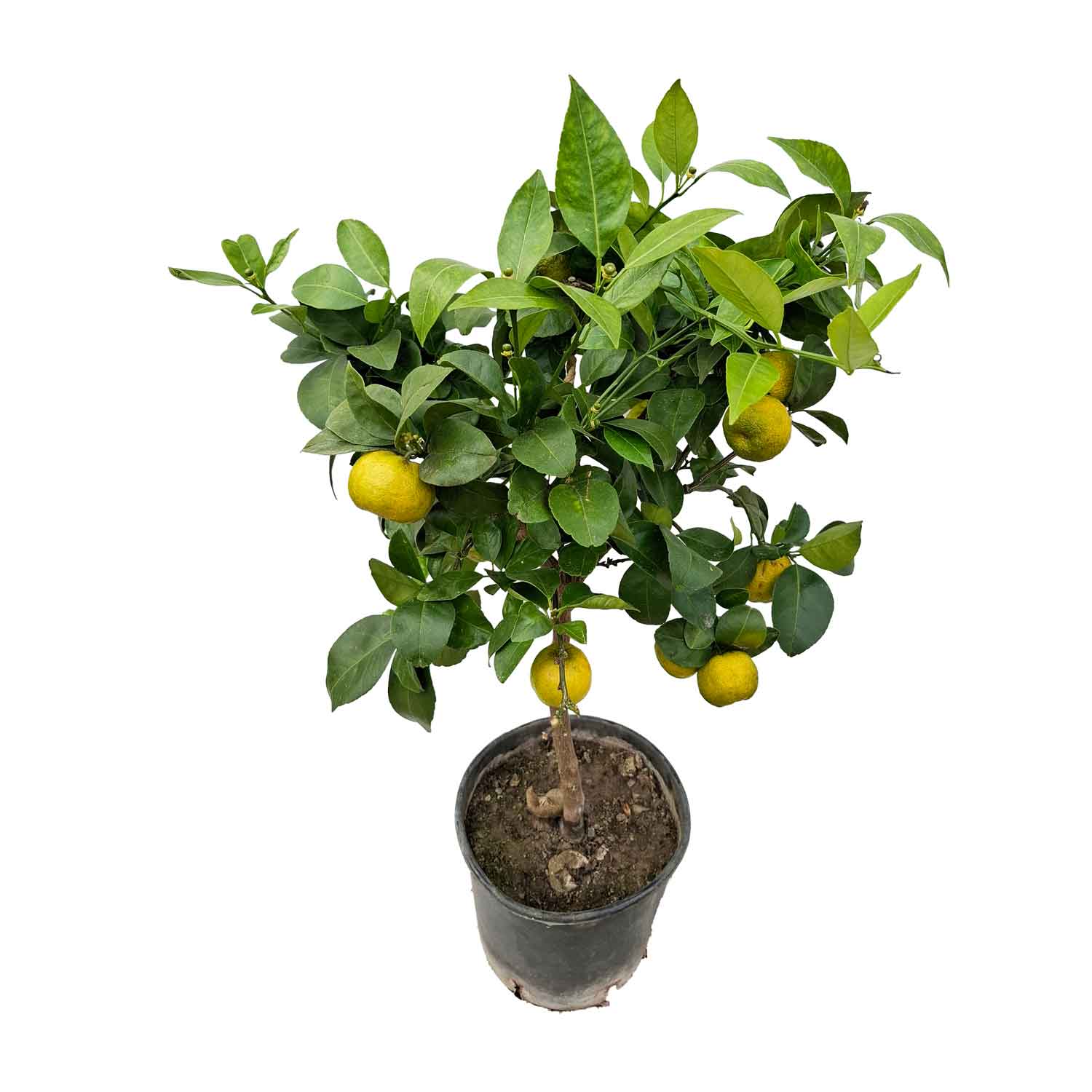
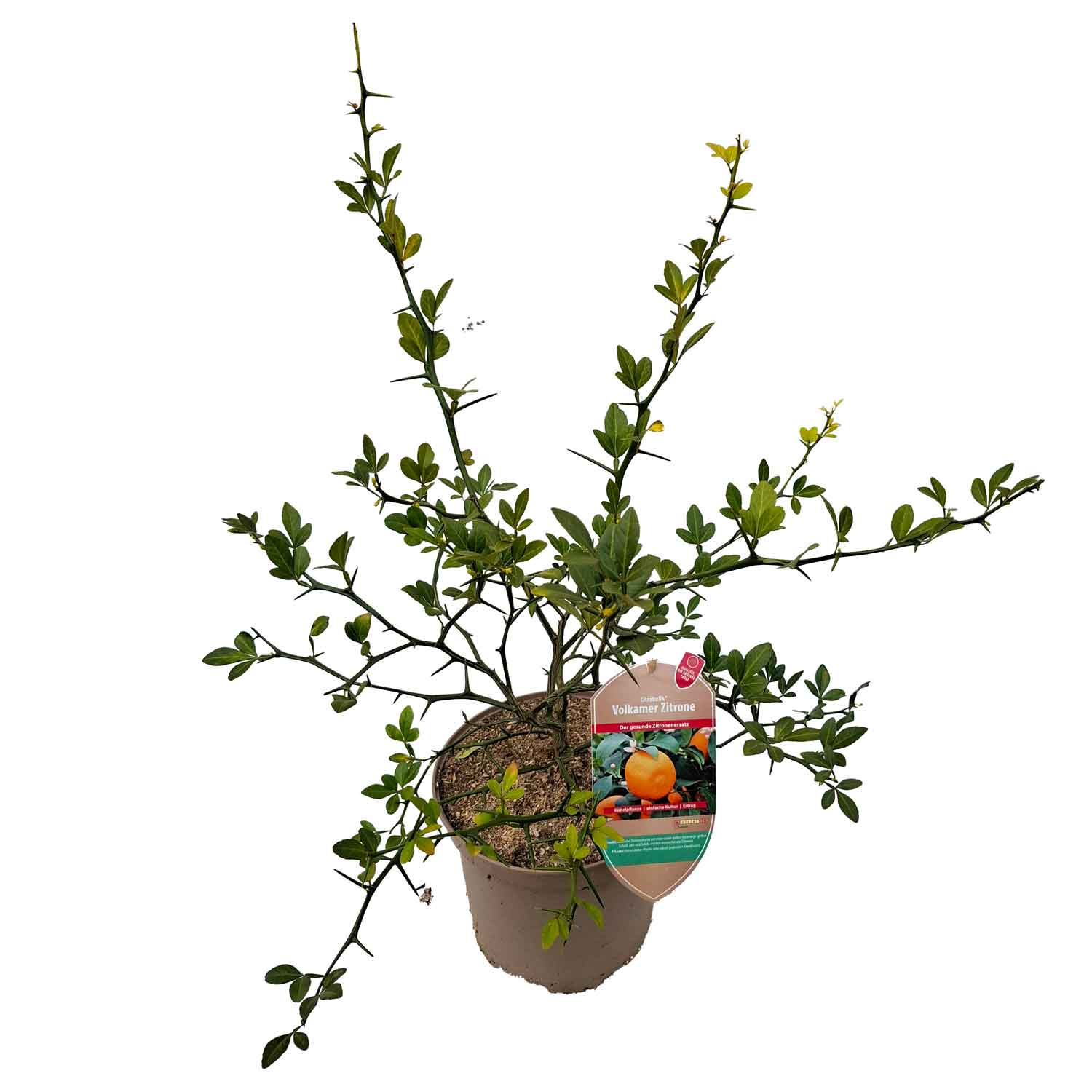
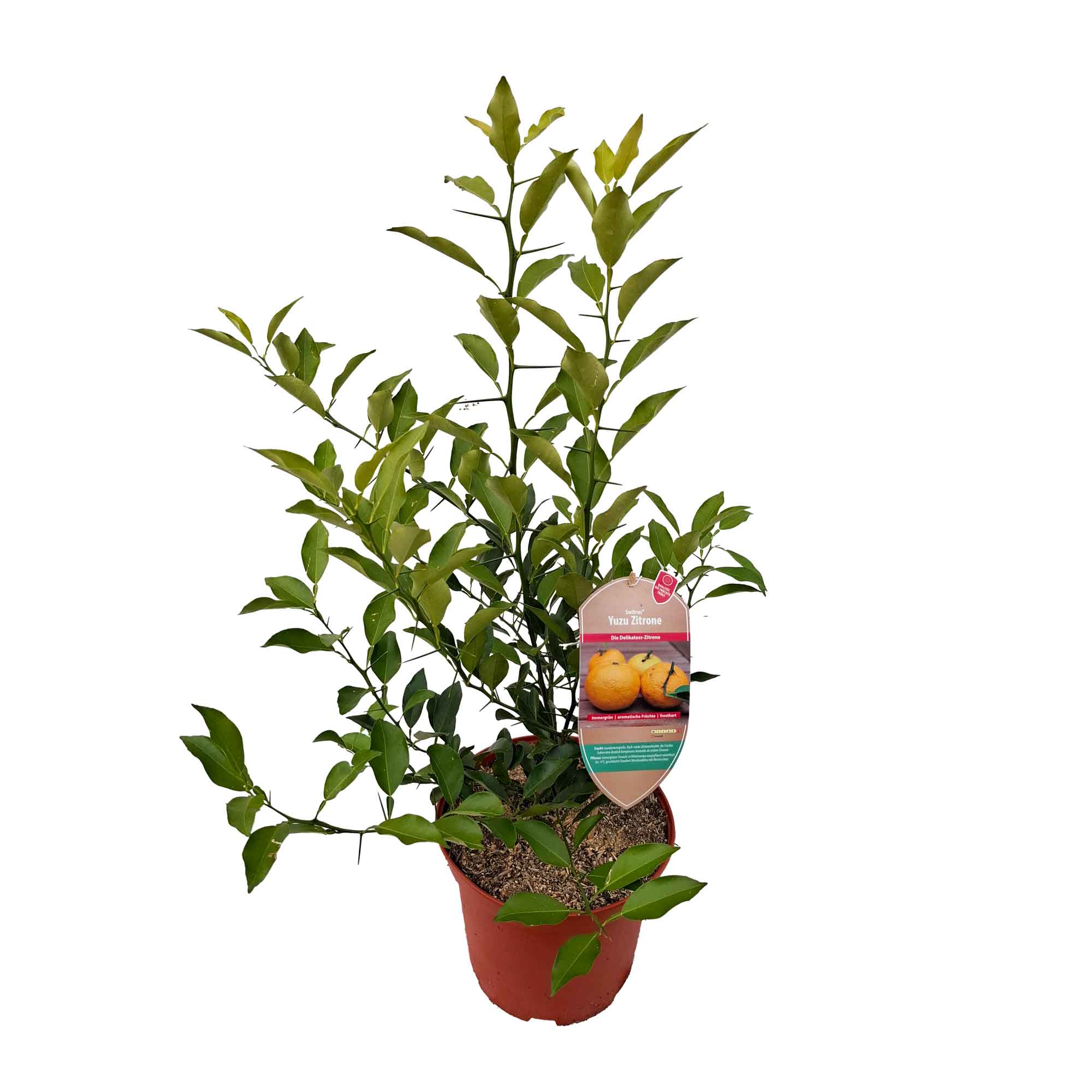
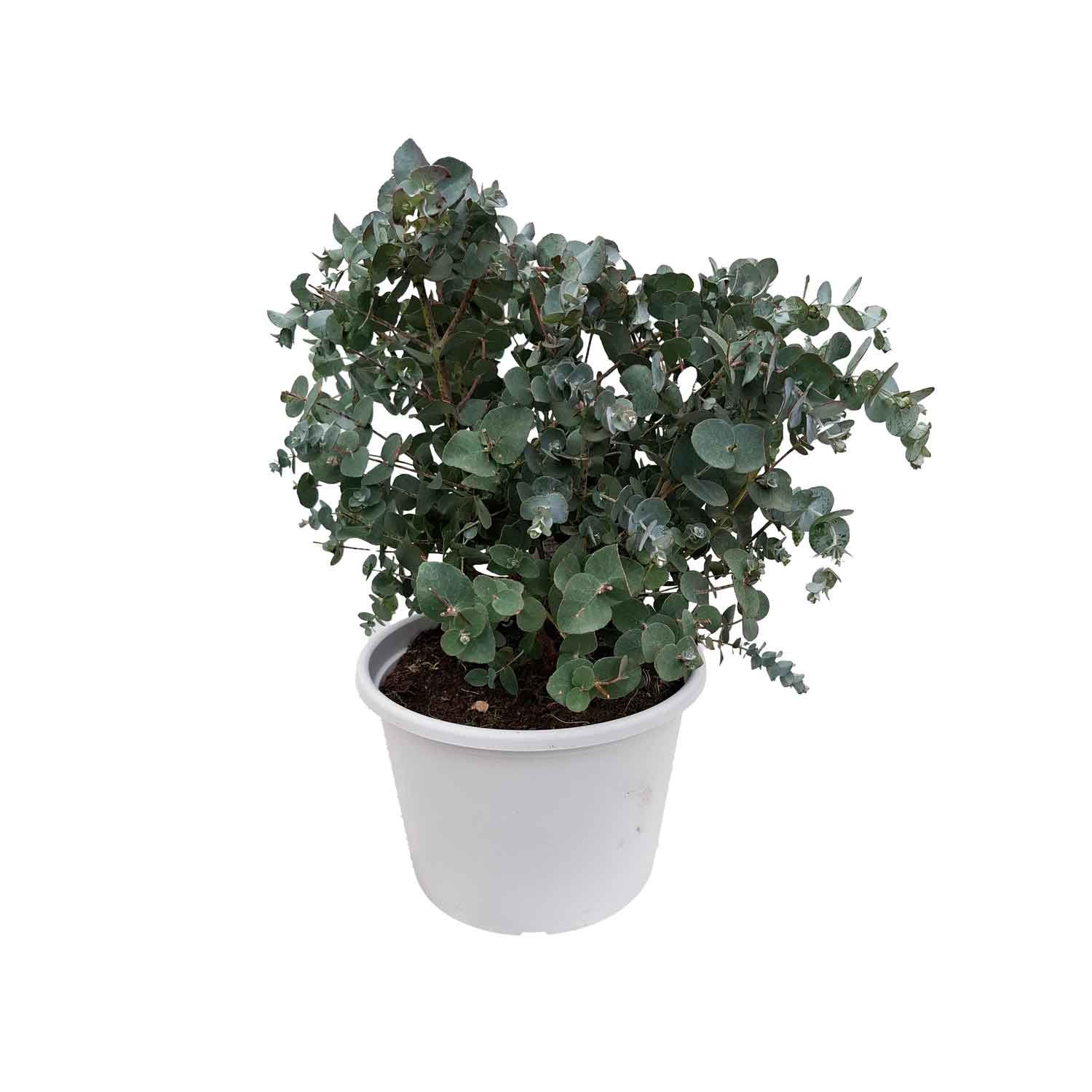
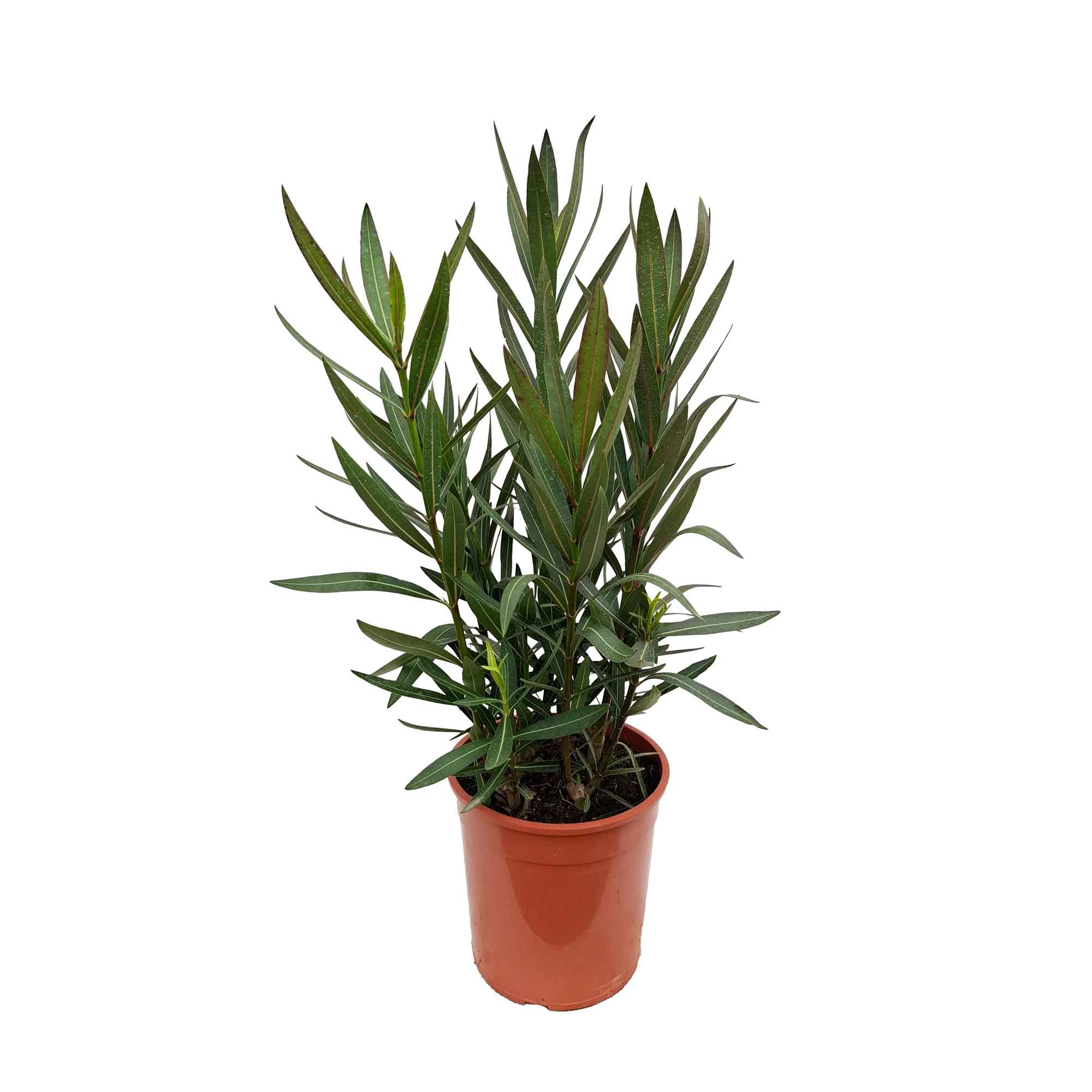
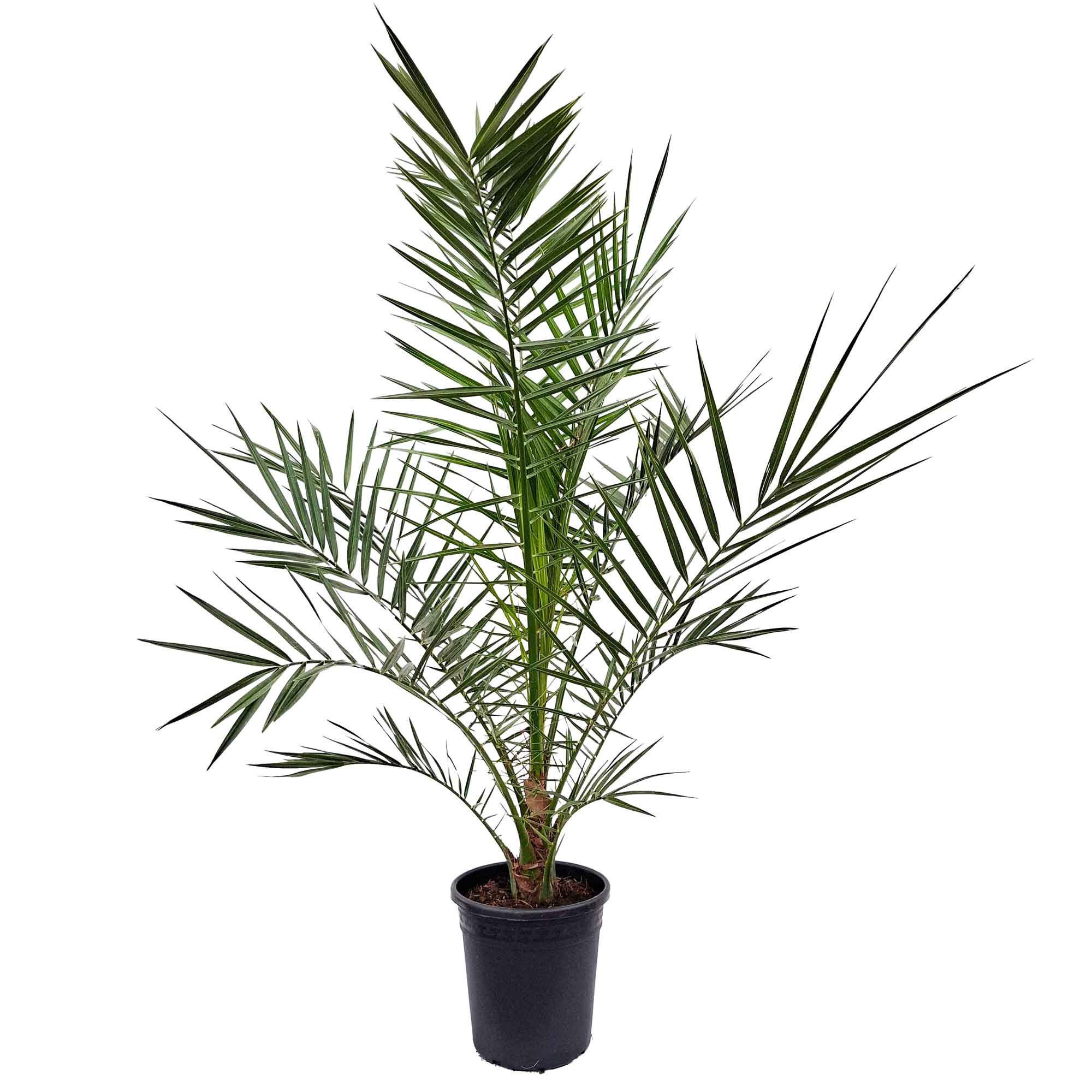
The most popular Mediterranean plants include citrus, olive trees, nerrie and many more.
How to care for your Mediterranean plants
To thrive, they require sunny and airy conditions and well-drained soil. Overwintering depends on the variety; many can be grown in pots with protection, while some can tolerate planting directly in the garden in protected areas. Light pruning after flowering promotes new growth and ensures compact, healthy plants.
The good thing about having them in pots is that you can move them indoors if it gets really cold. Some people also have greenhouses or orangeries where you can keep them during the winter.