





Why choose climbing plants for the garden?
Climbing plants add a vibrant and dynamic look to your garden. They are ideal for softening hard lines like fences, pergolas or walls while creating a lush atmosphere.
Many climbing plants bloom generously throughout the summer and attract pollinators such as bees and butterflies, which contributes positively to the garden ecosystem.
How to use climbing plants in garden design
Climbing plants are particularly effective in small gardens, where vertical growing provides extra space and a sense of spaciousness. They can create shelter, shade or natural room dividers, depending on how they are supported.
• Plant them by fences or trellises to create a green wall.
• Use them on pergolas or arches to create shady, flowering walkways.
• Let them climb trees for a more natural and wild look.
When climbing plants are allowed to spread, they provide a soft and harmonious transition between the different elements of the garden.
Choosing climbing plants for different purposes
There are both fast-growing, summer-flowering and more slowly establishing, perennial climbing plants.
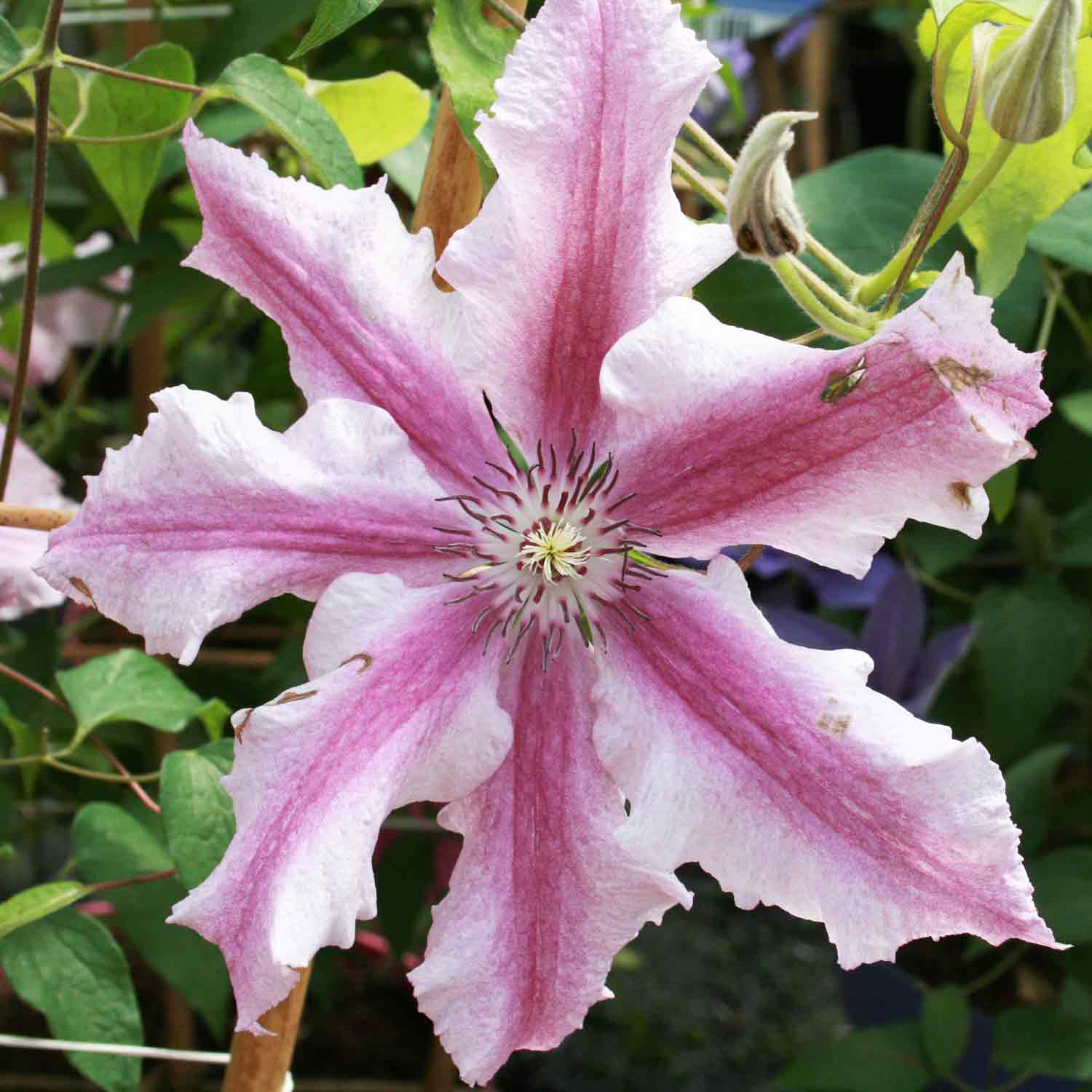
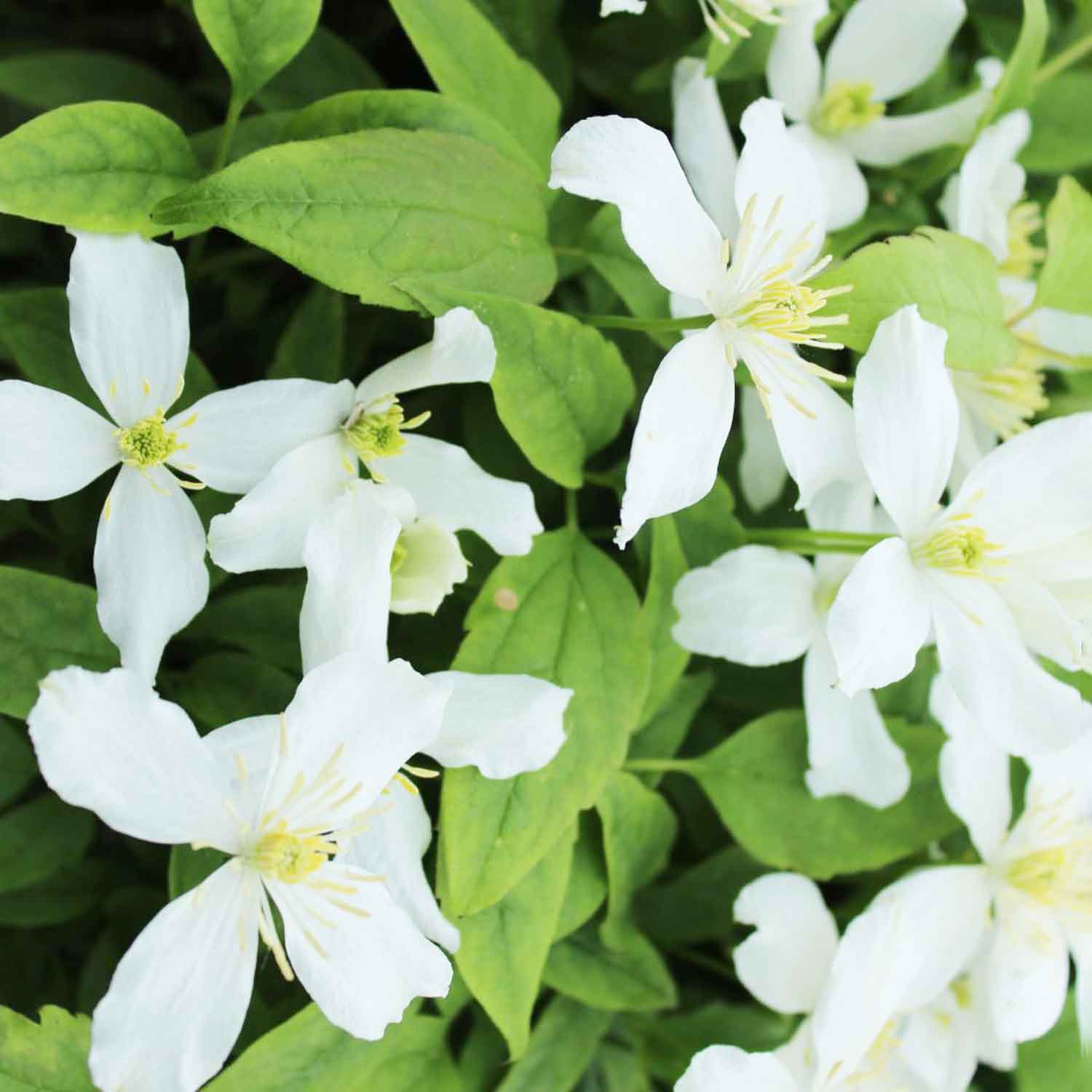
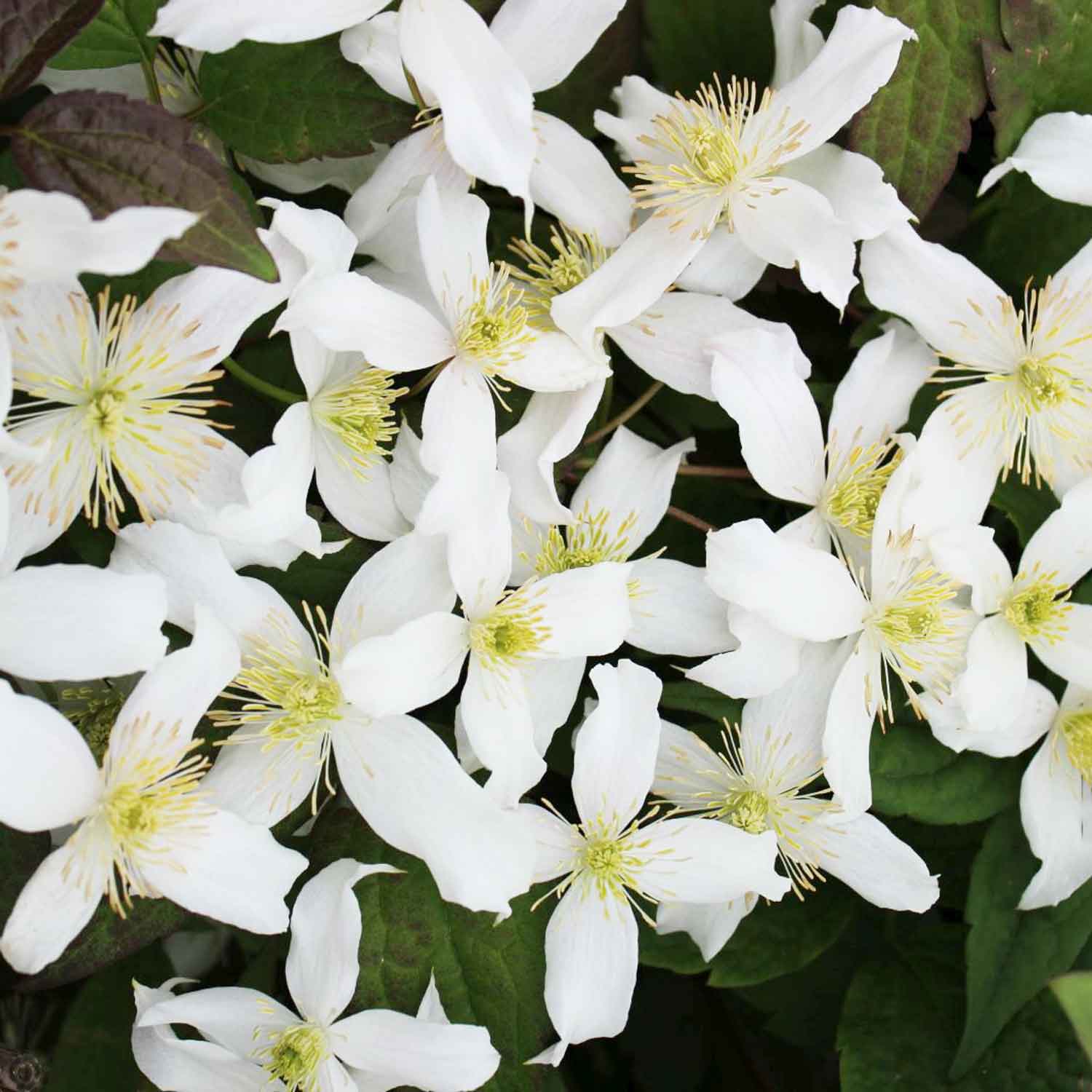
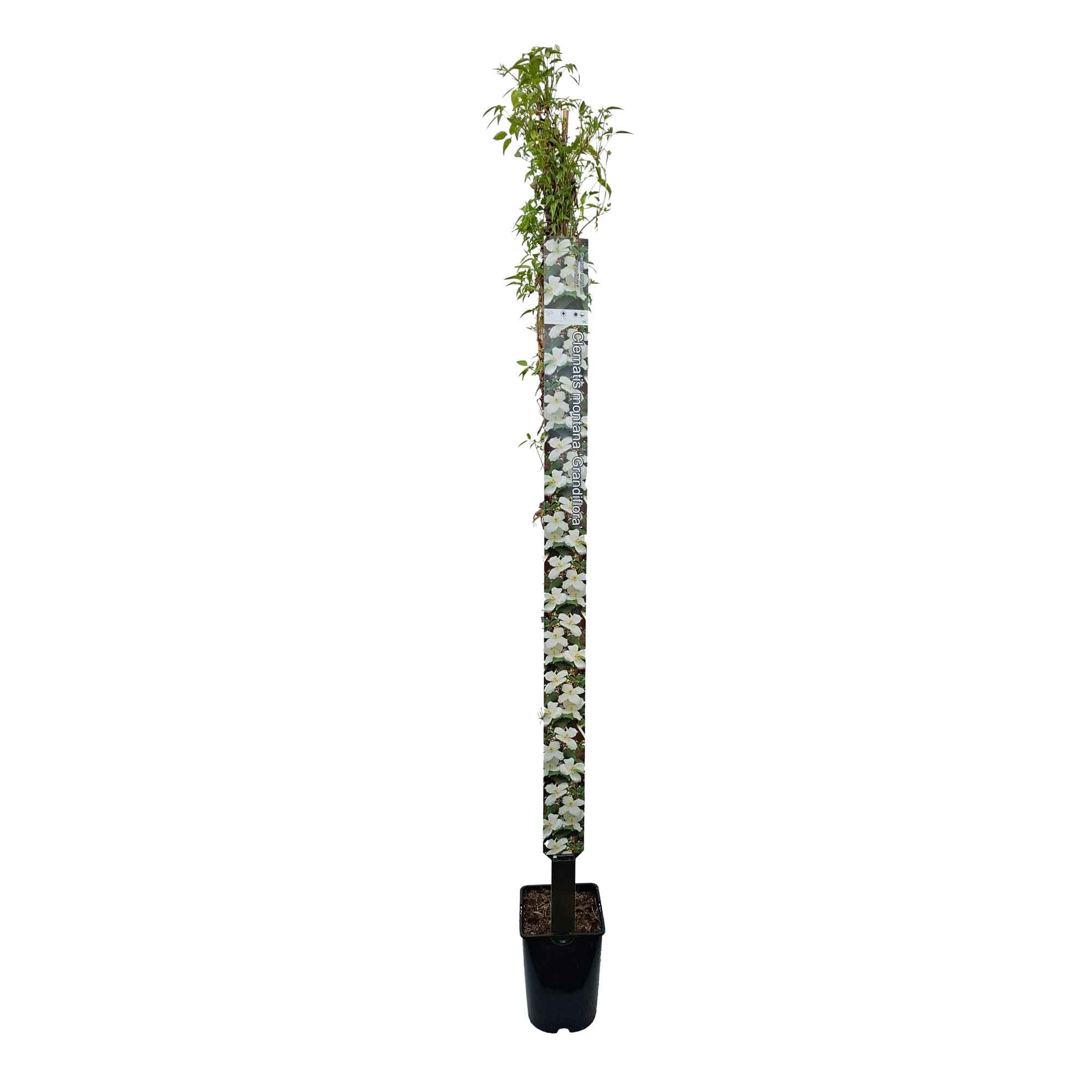
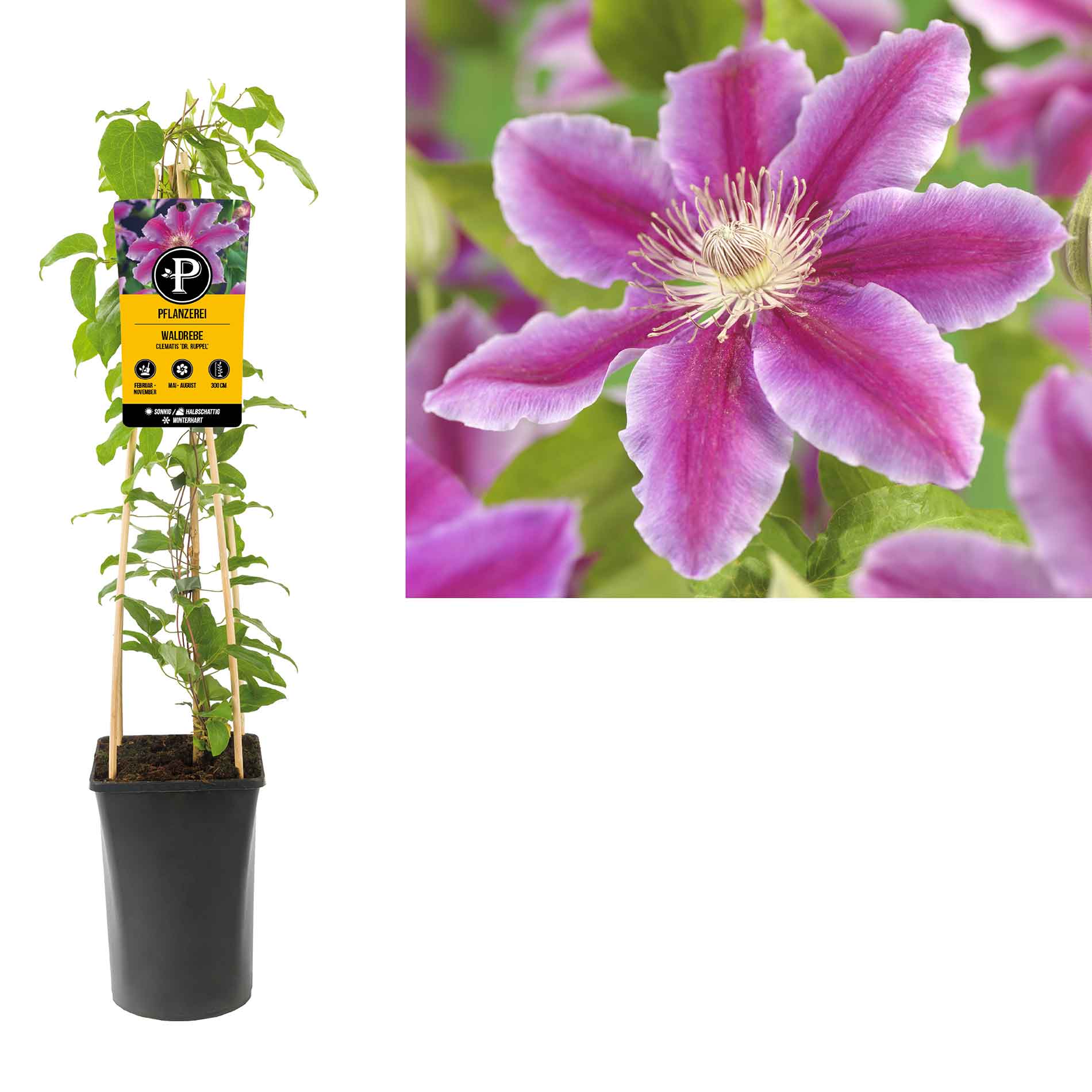
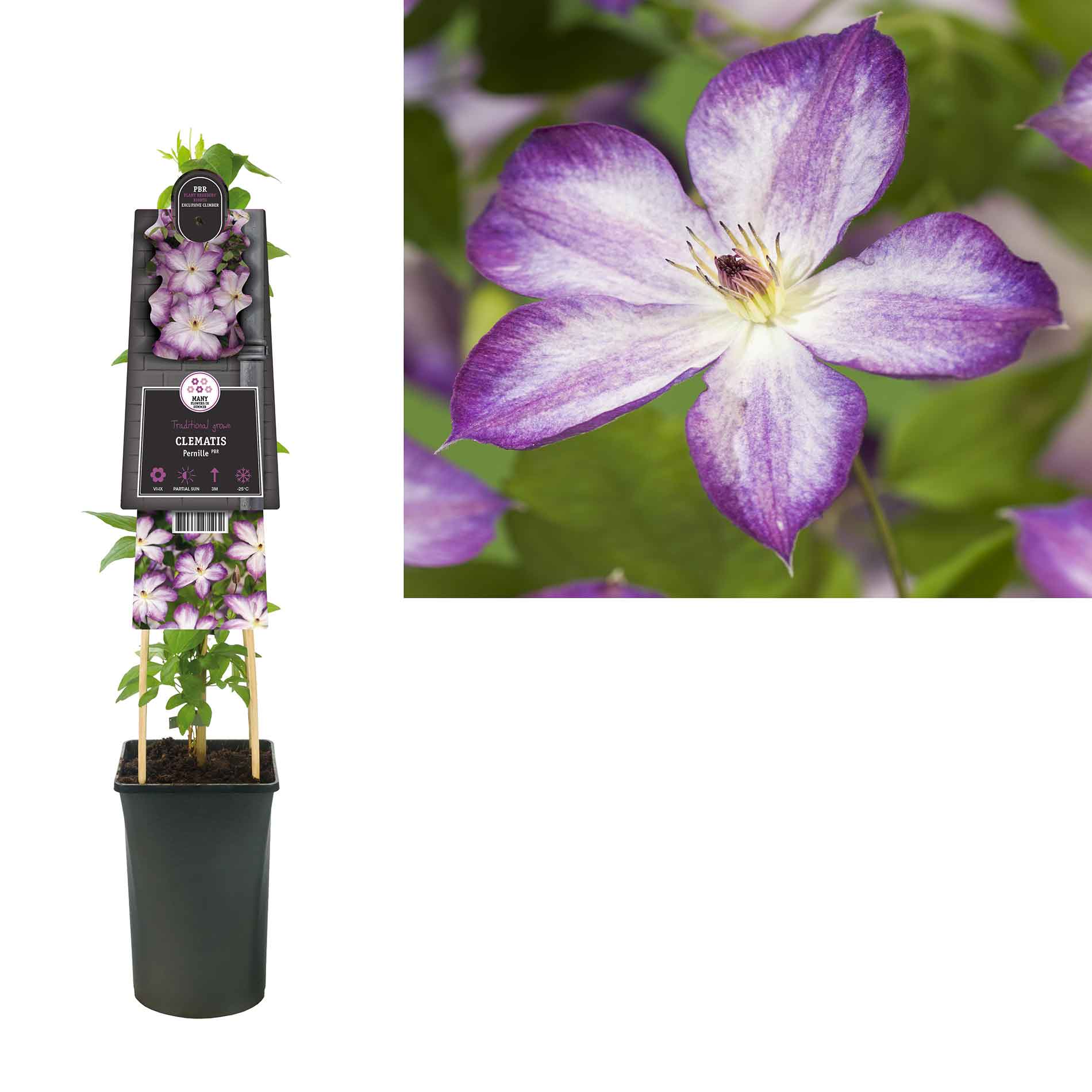
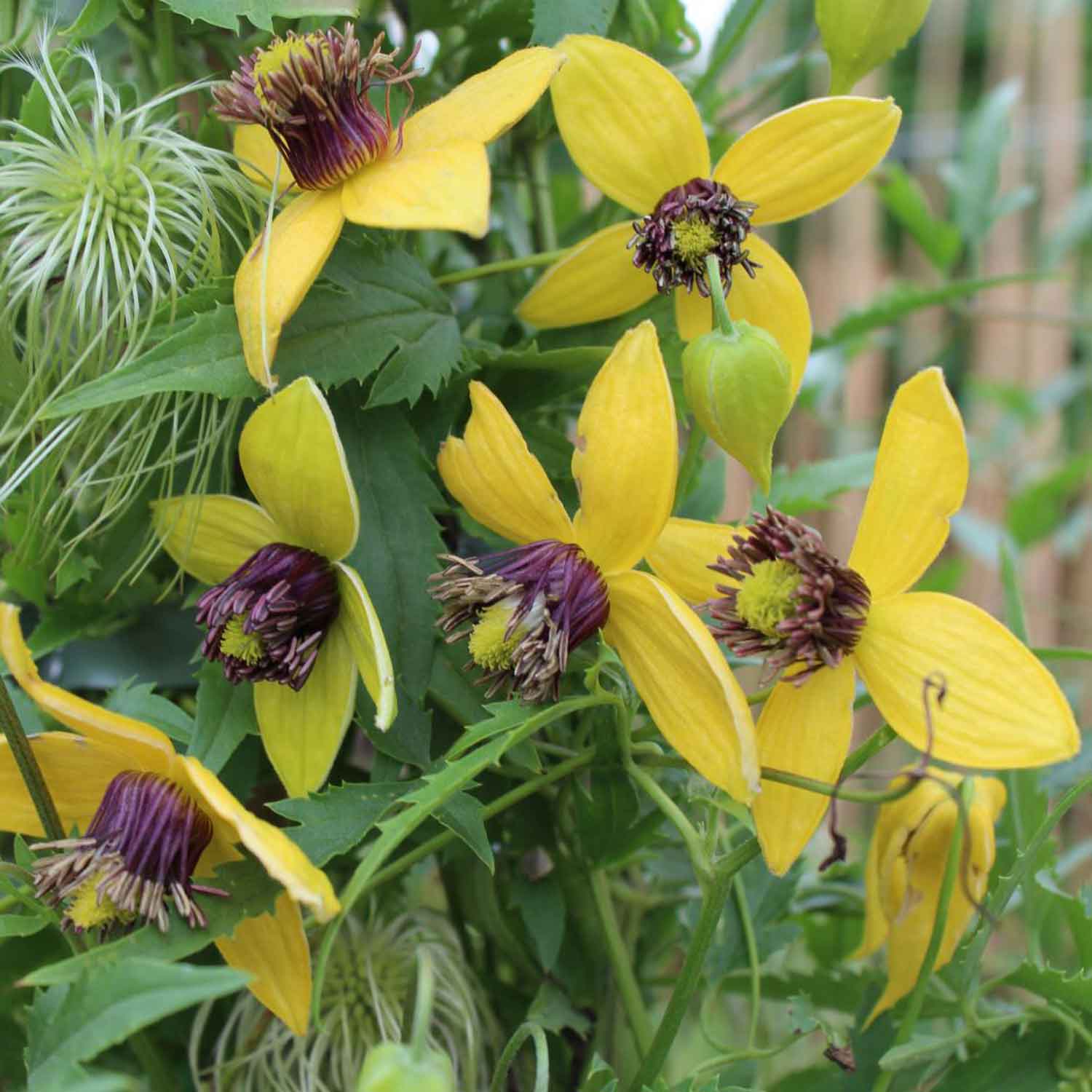
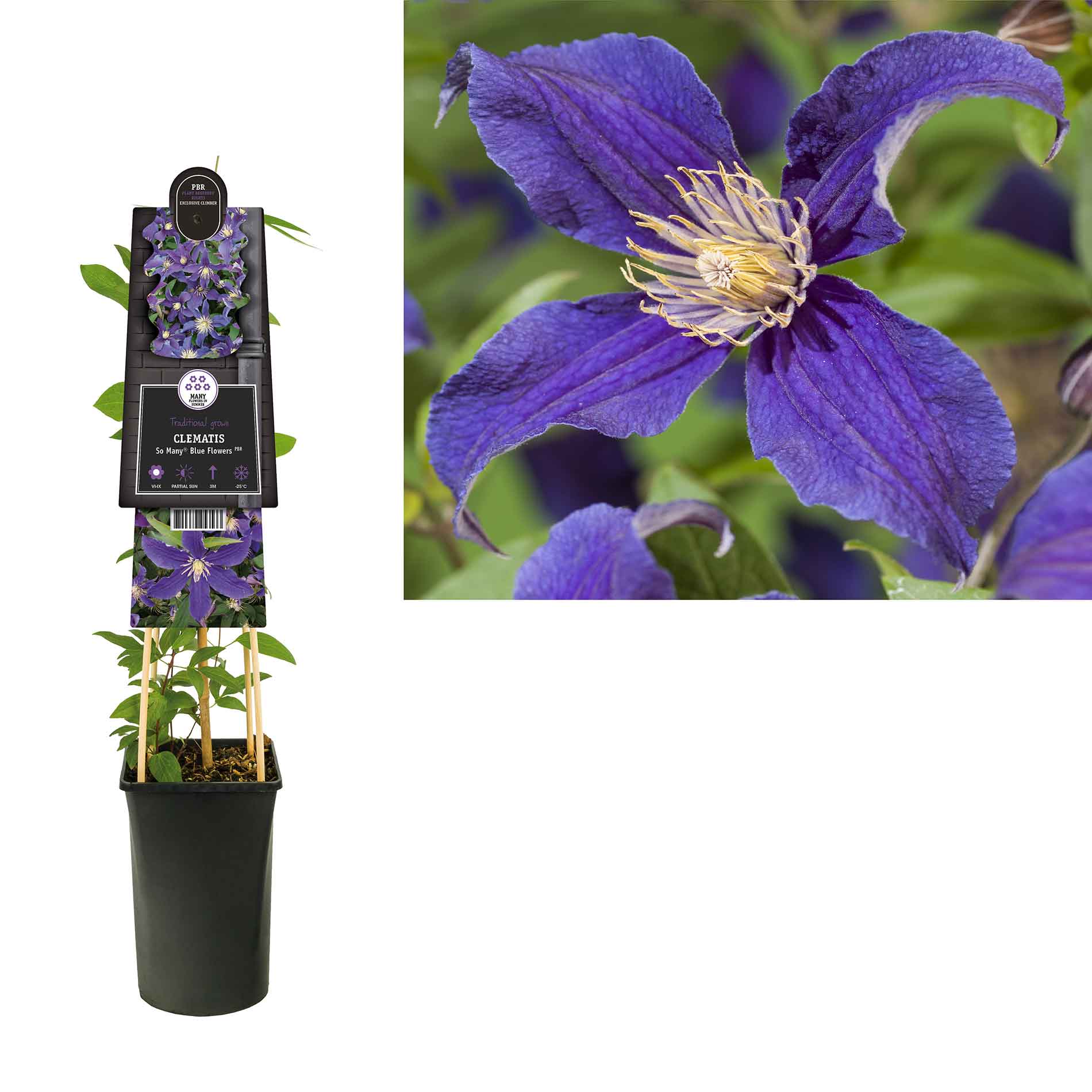
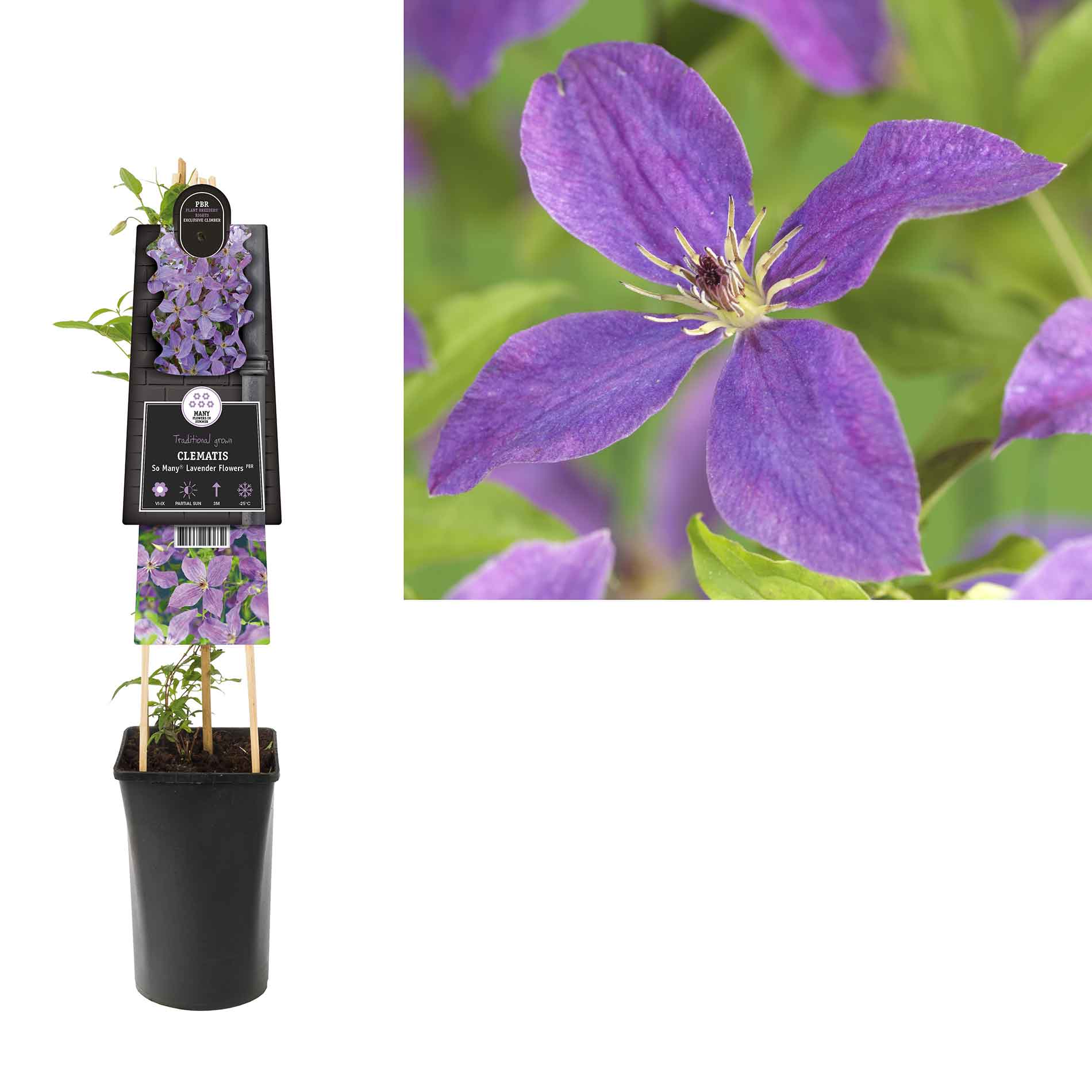
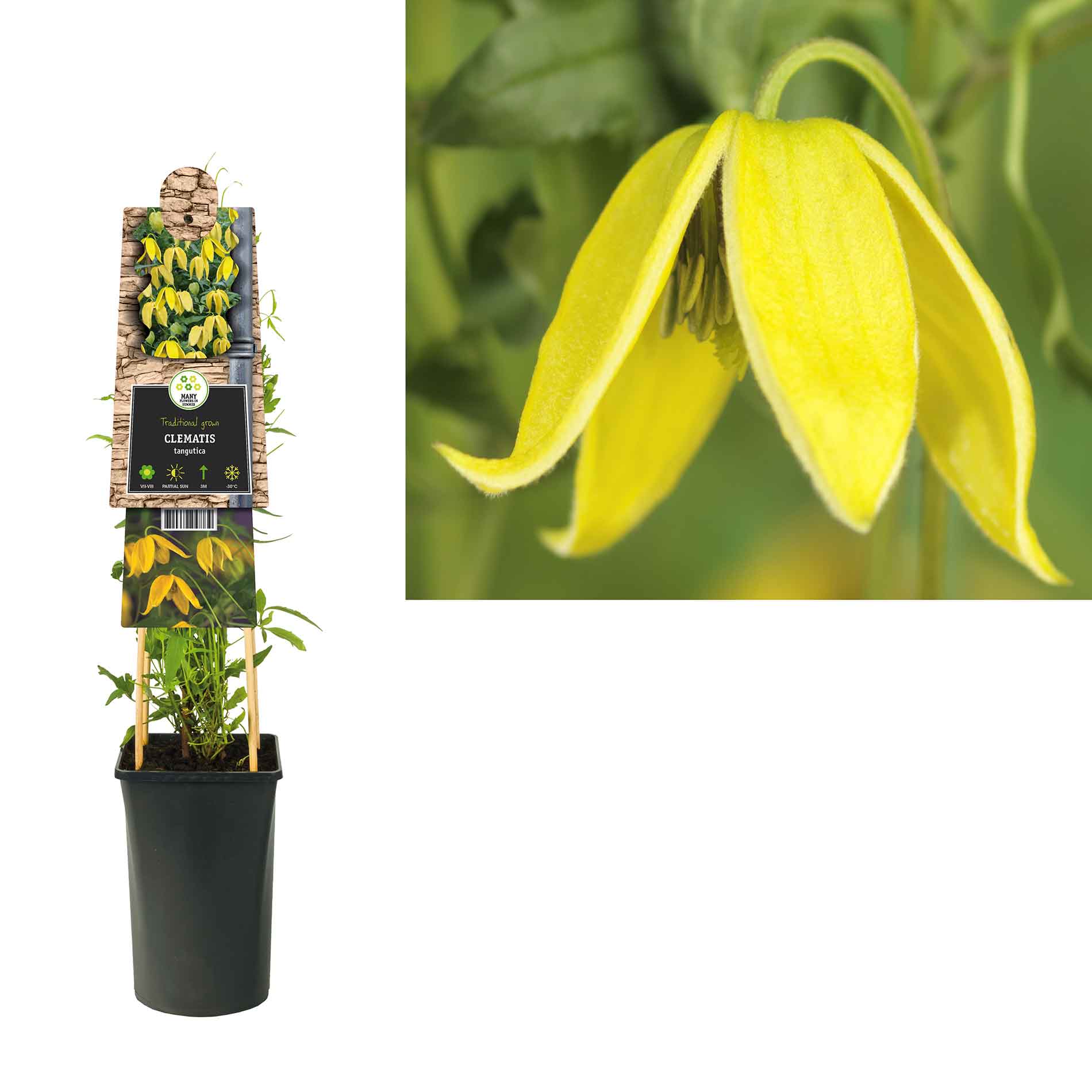
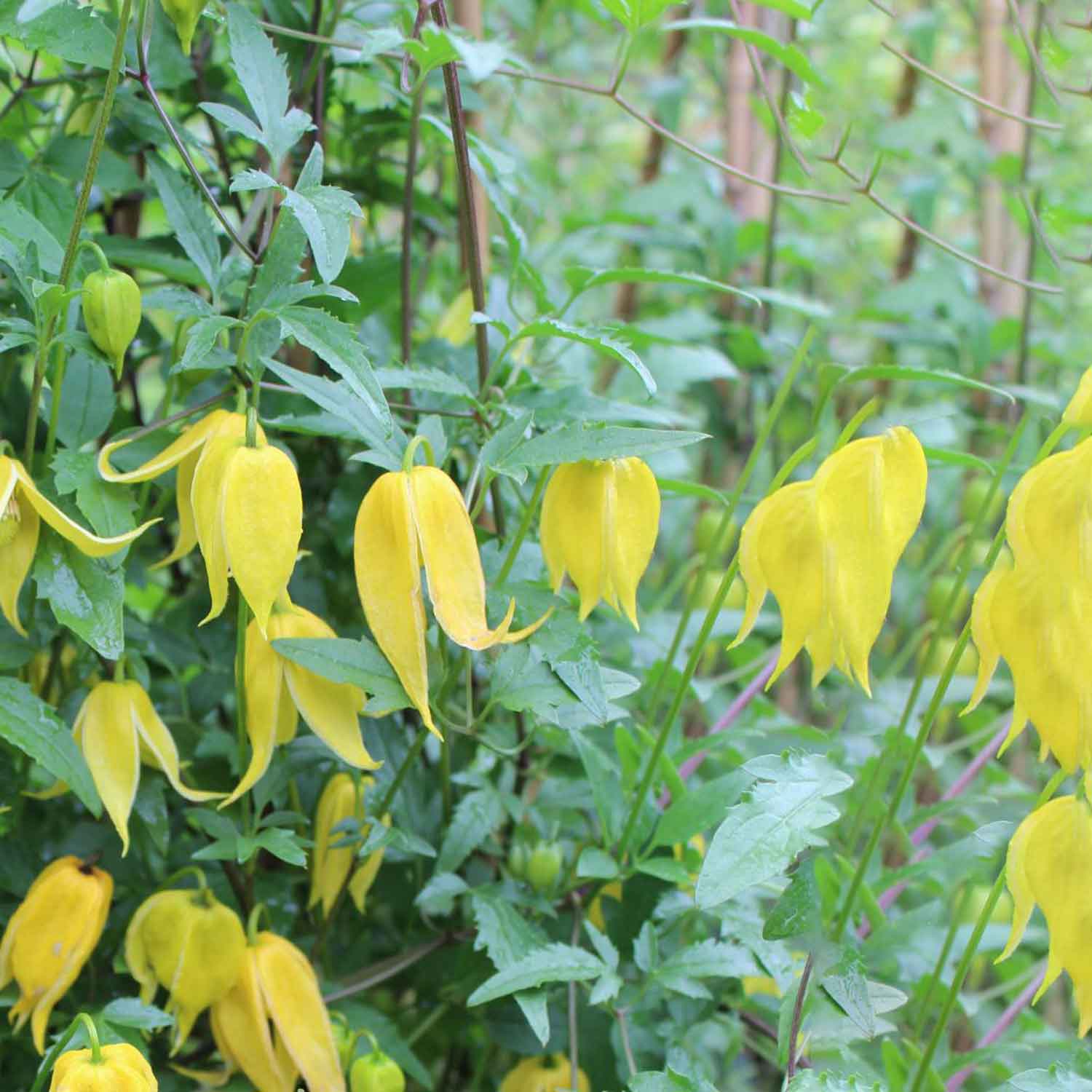
• Clematis provides colorful flowers for long periods.
• Ivy and other evergreen varieties create year-round green areas.
• Honeysuckle adds fragrance and ambiance in the evening hours and is very windproof.
• More tropical summer-flowering types, such as passion flower, should preferably be kept in a greenhouse or orangery. However, they can bloom well into winter.