
-
 Hosta - Funkia
 -
 Lavender - Lavandula
 -
 Coneflower - Echinacea
 -
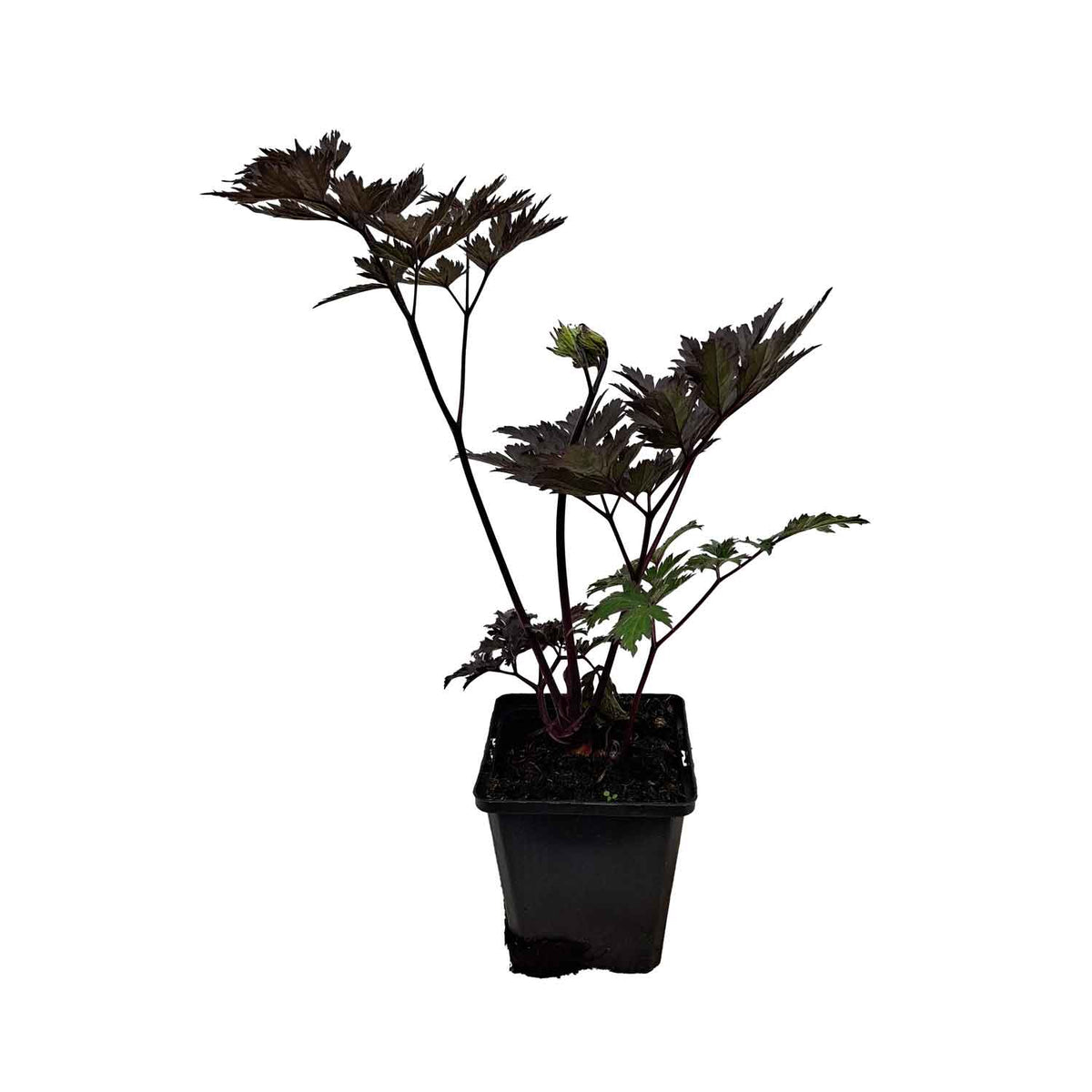
 Star screen - Astrantia
 -
 Cranesbill - Geranium
 -
 Ferns
Ferns -
 Giant daisy
- Leucanthemum -
 Wild perennials for flower meadows
 -
 Alum root - Heuchera
 -
 Daylily - Hemerocallis
 -
 Miscellaneous Perennials
 -
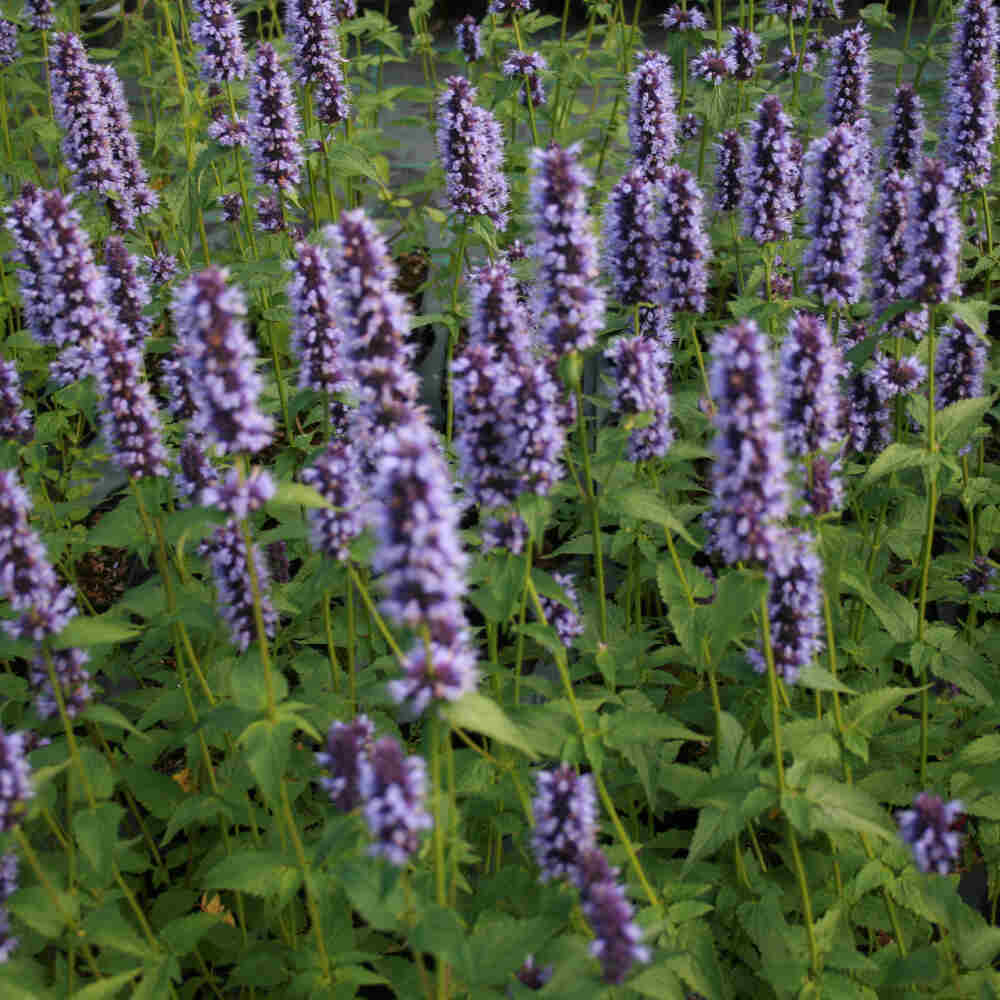
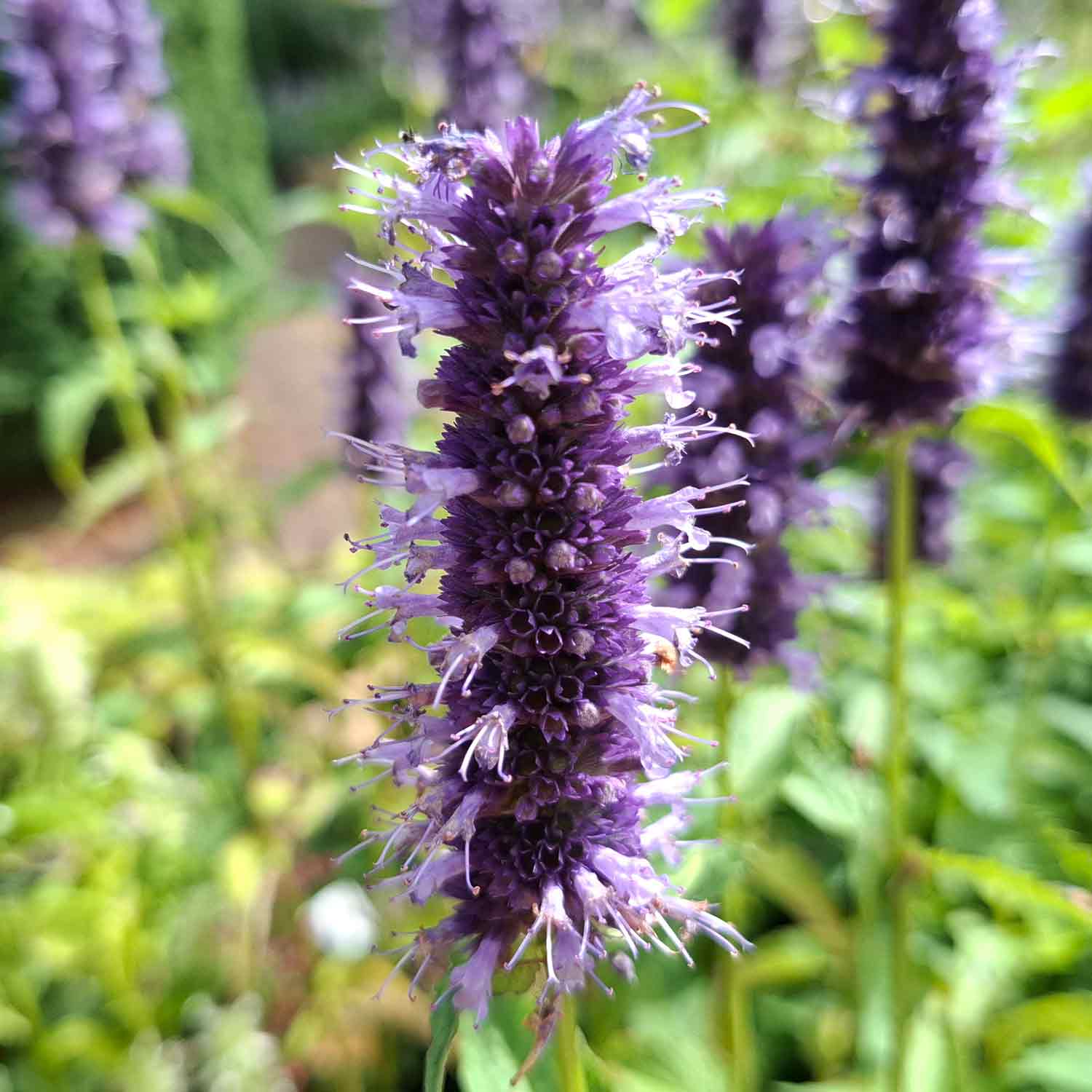
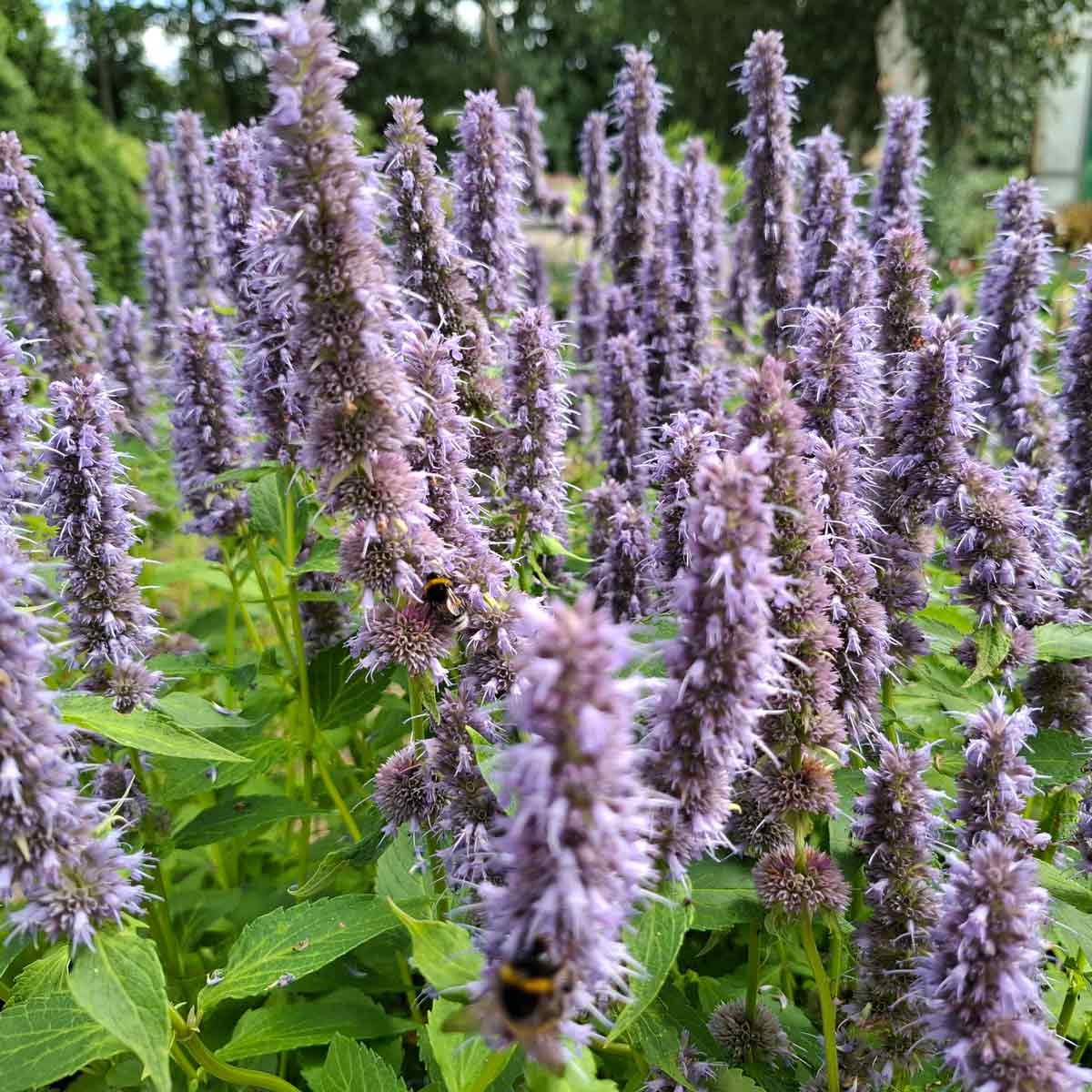
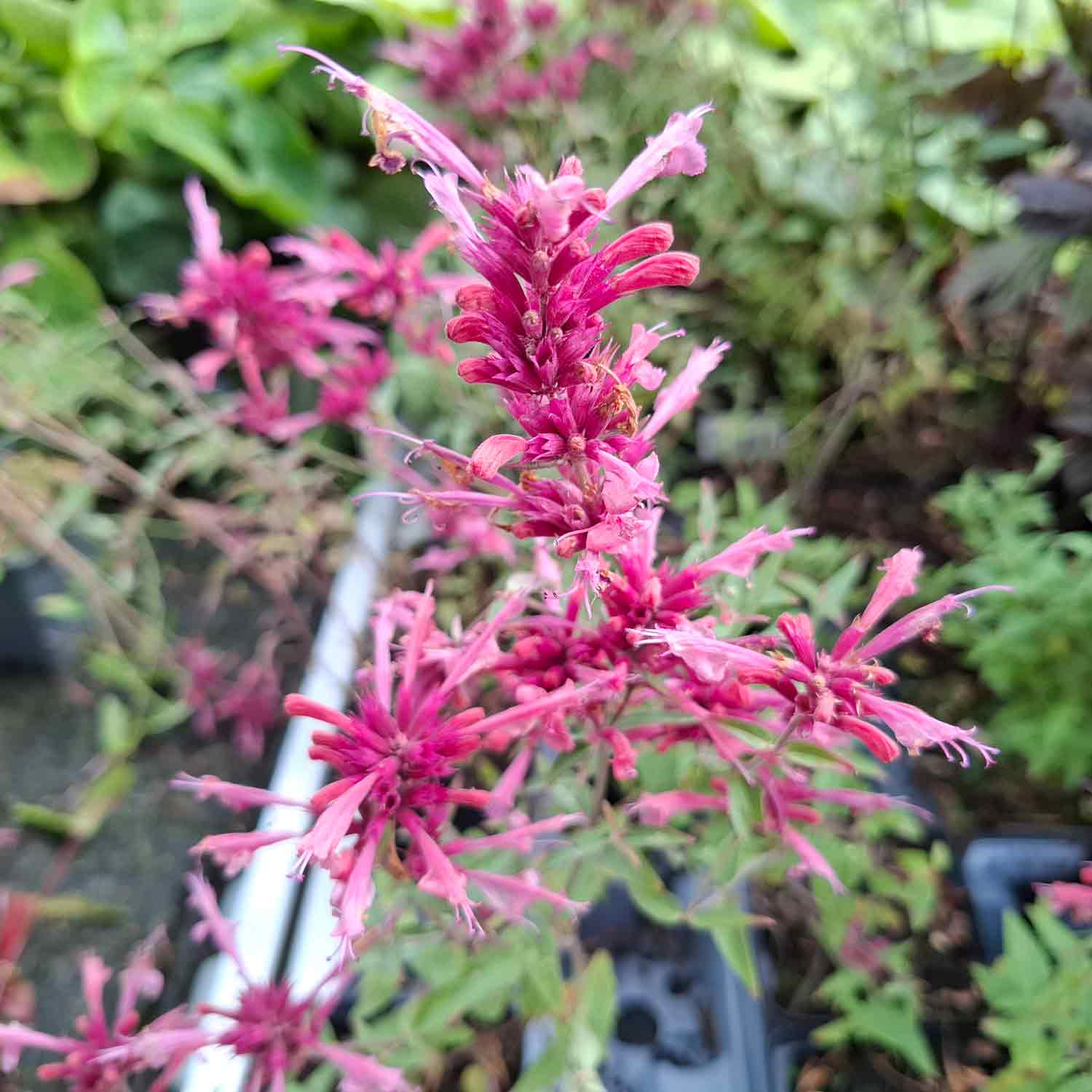
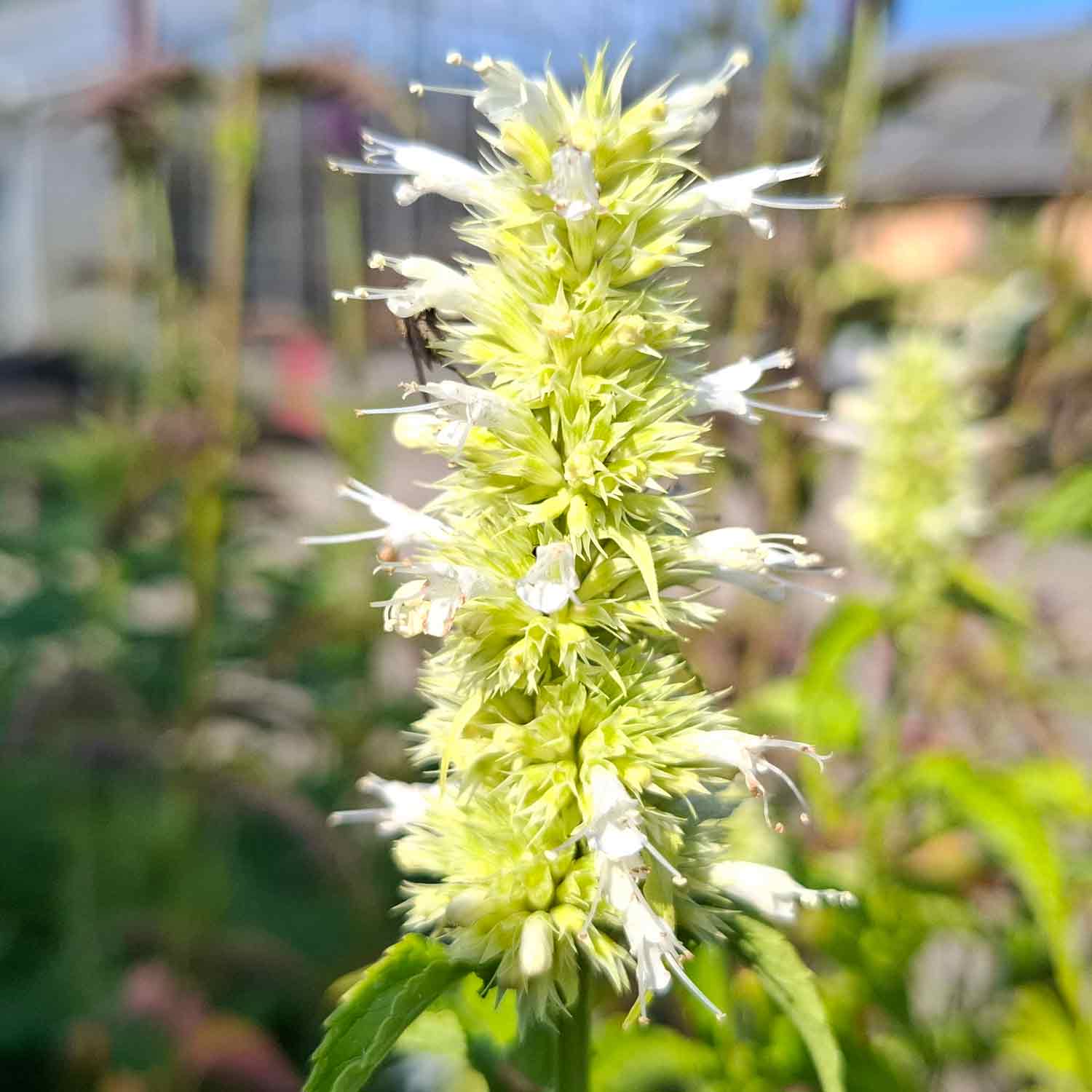
 American Indian mint
- Aniseed
- Agastache -
 Catnip - Nepeta
 -
 Bloodroot - Sanguisorba
 -
 Sweetheart - Brunnera
 -
 Montbresia - Crocosmia
 -
 Clove root - Geum
 -
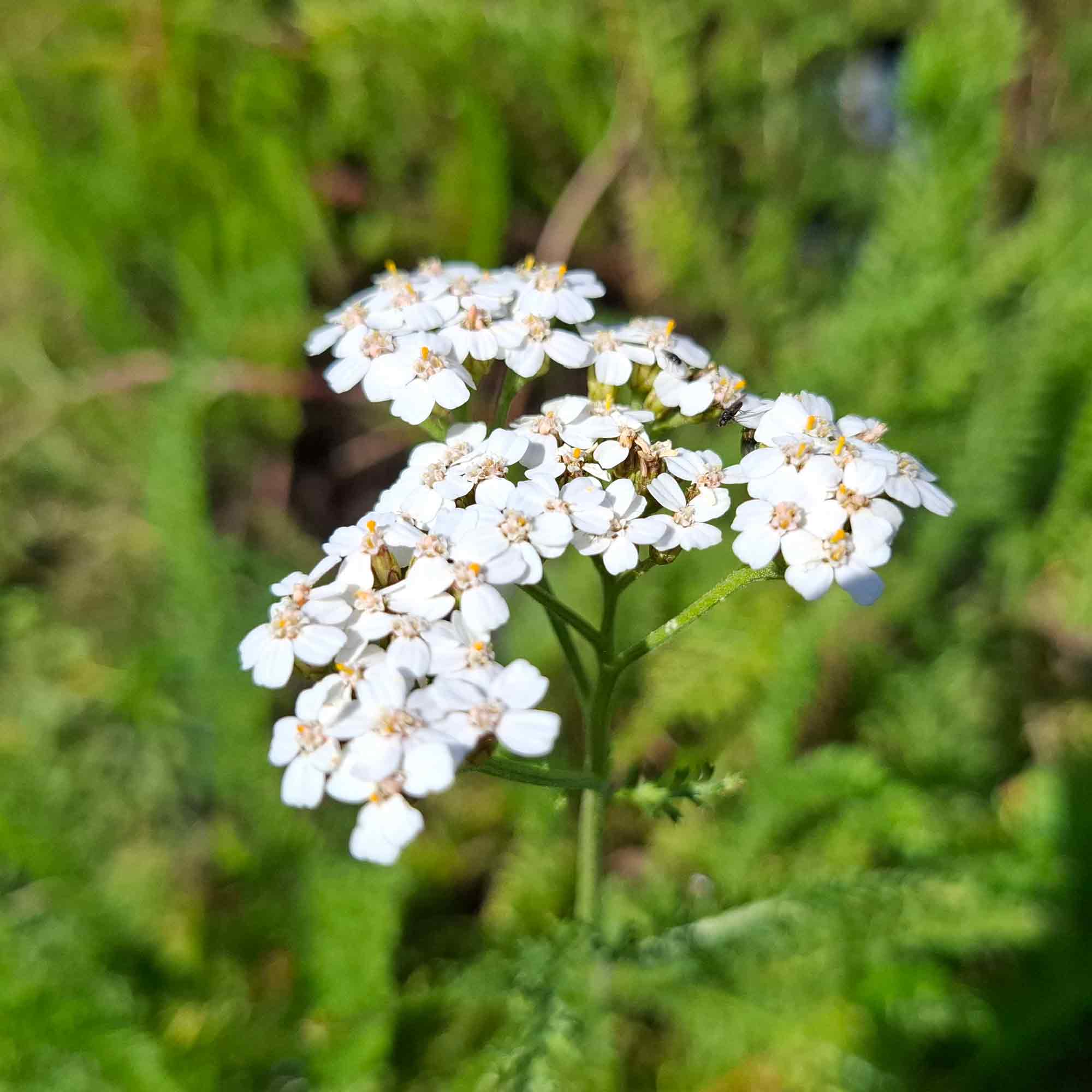
 Yarrow - Achillea
 -
 Sage - Salvia
 -
 Perennials for the rose bed
 -
Virginian Honor Award
- Veronicastrum -
 Houseplant - Sempervivum


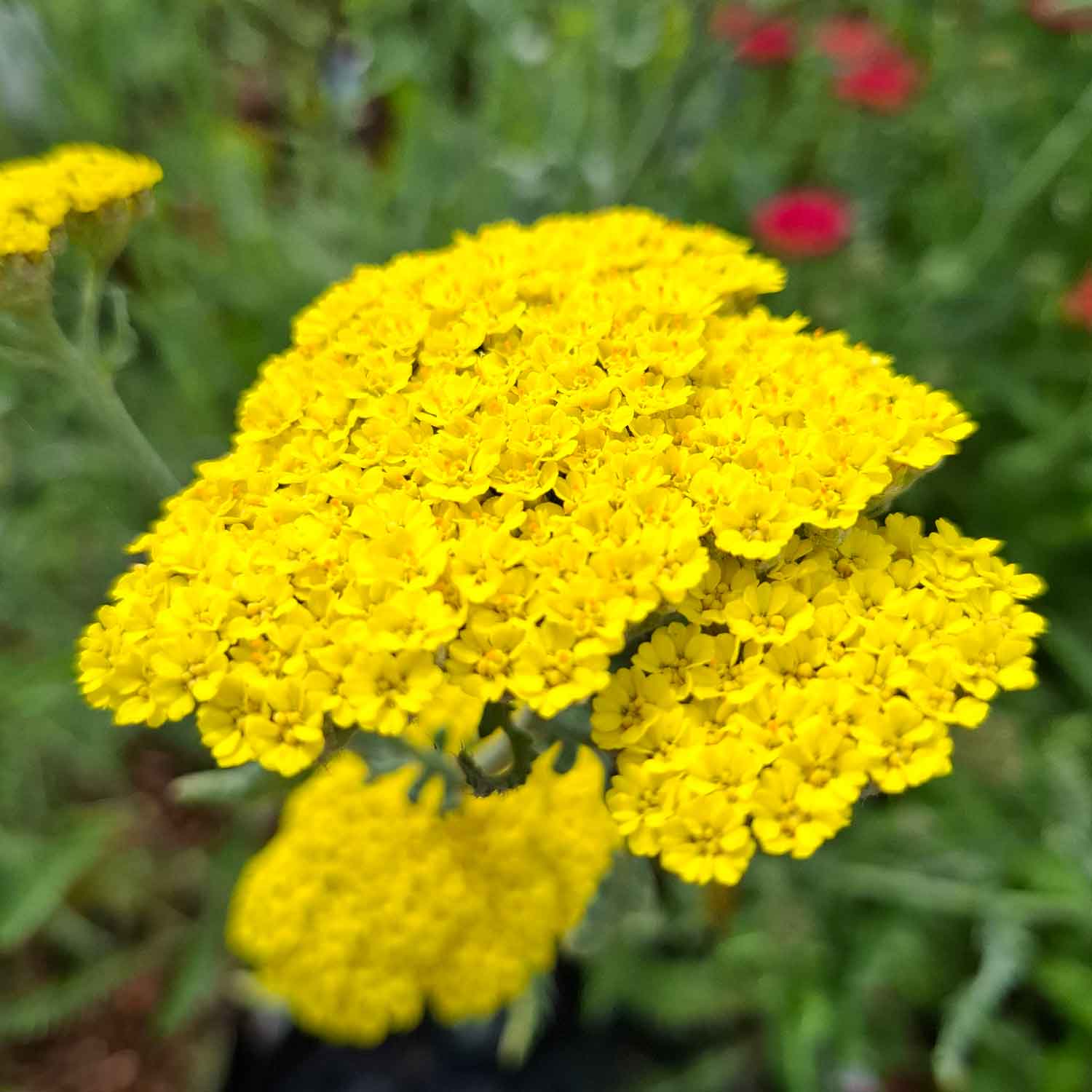
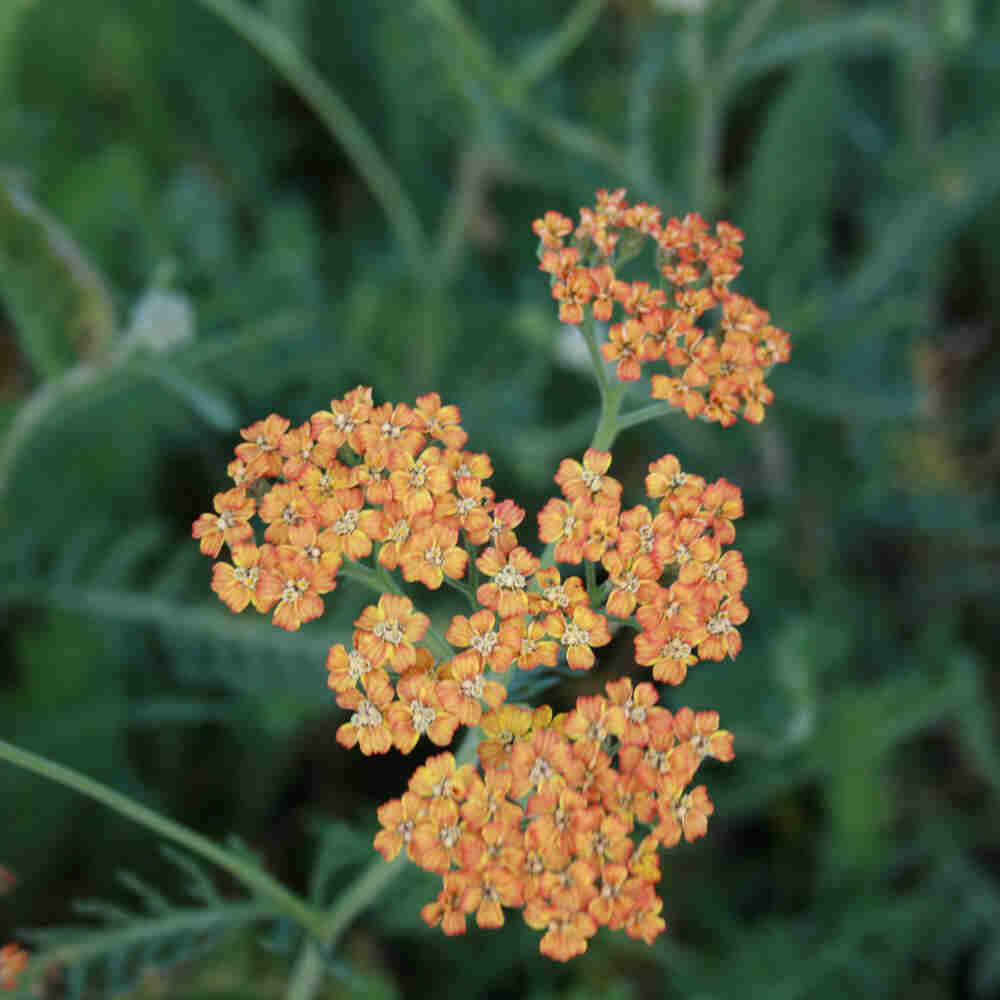
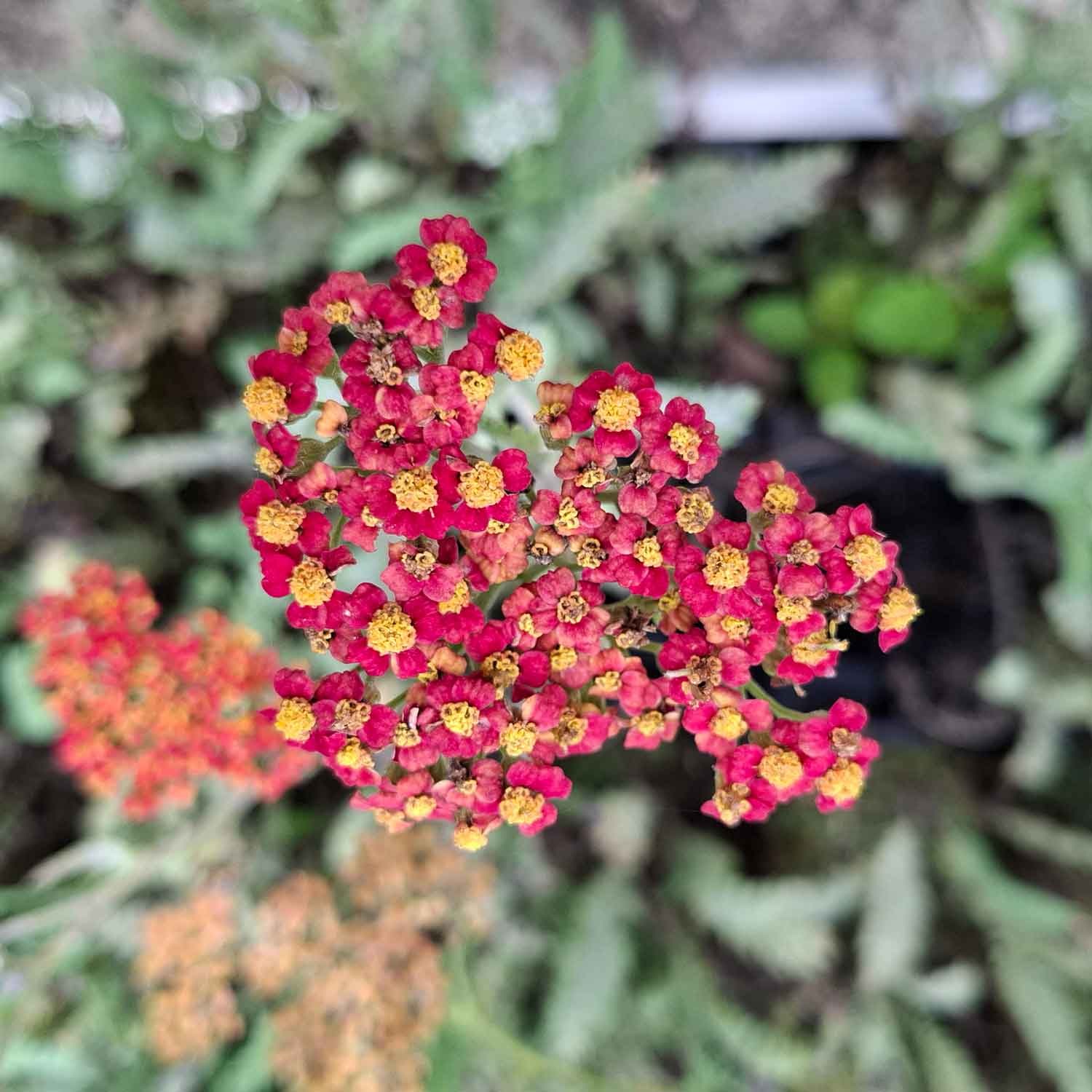
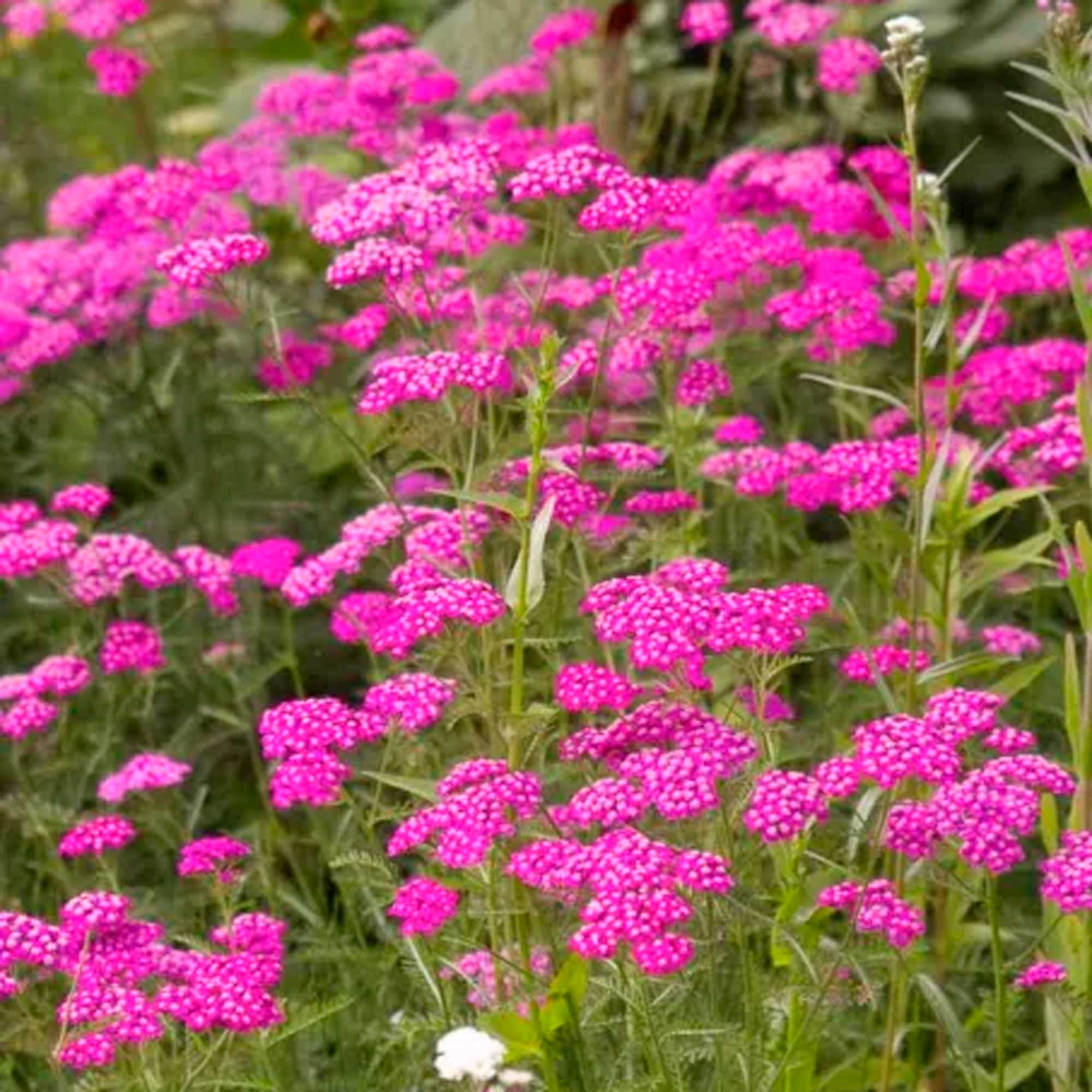


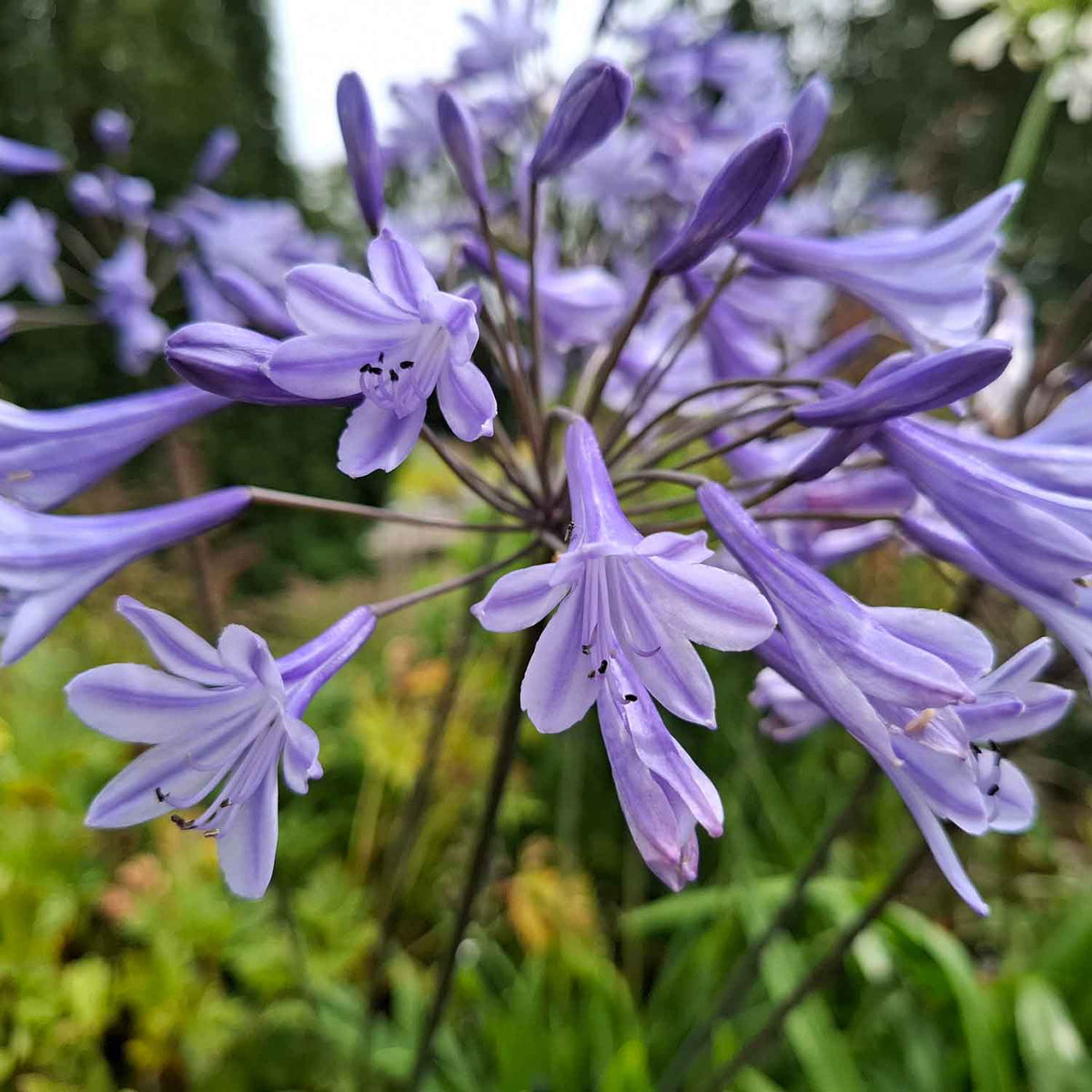
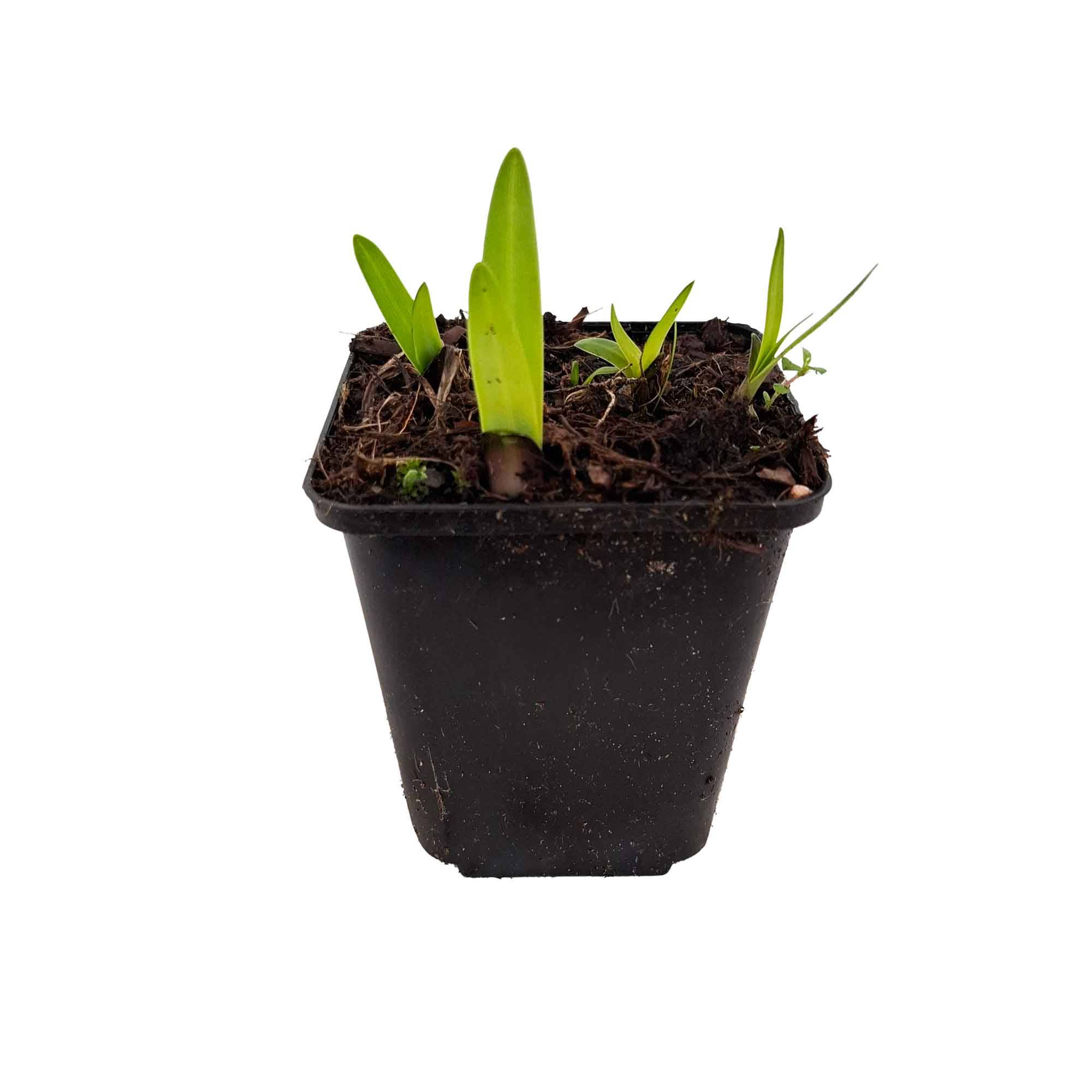
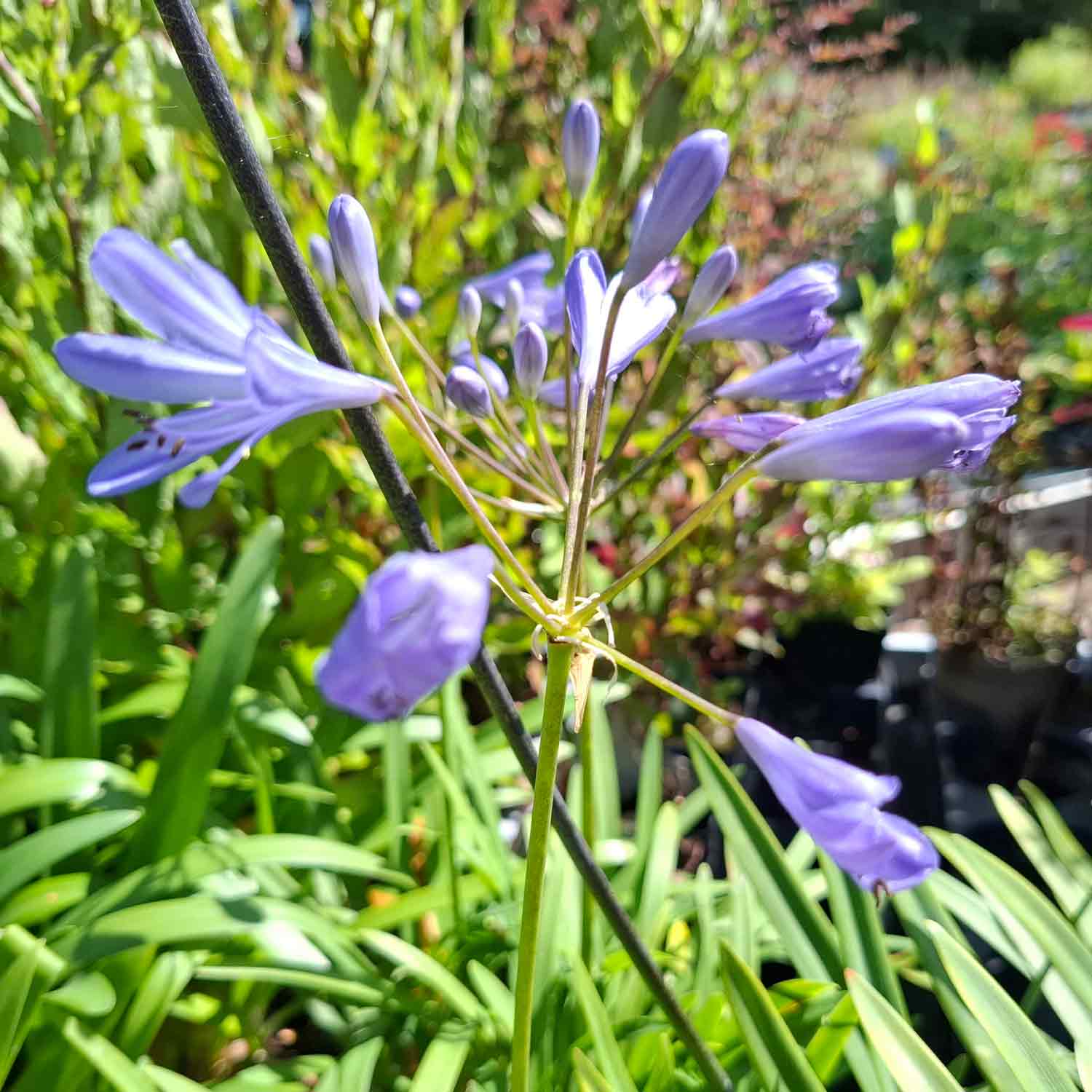
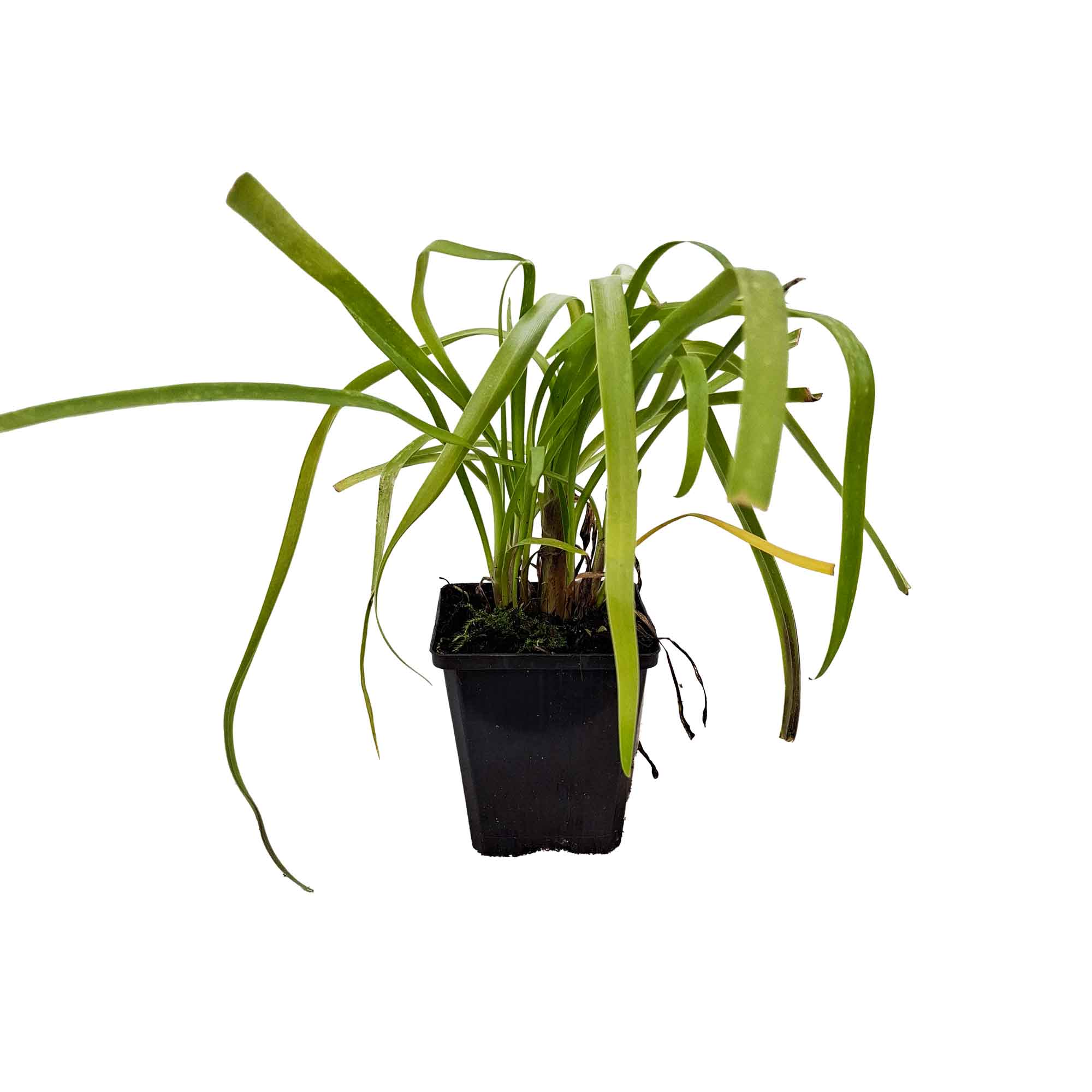
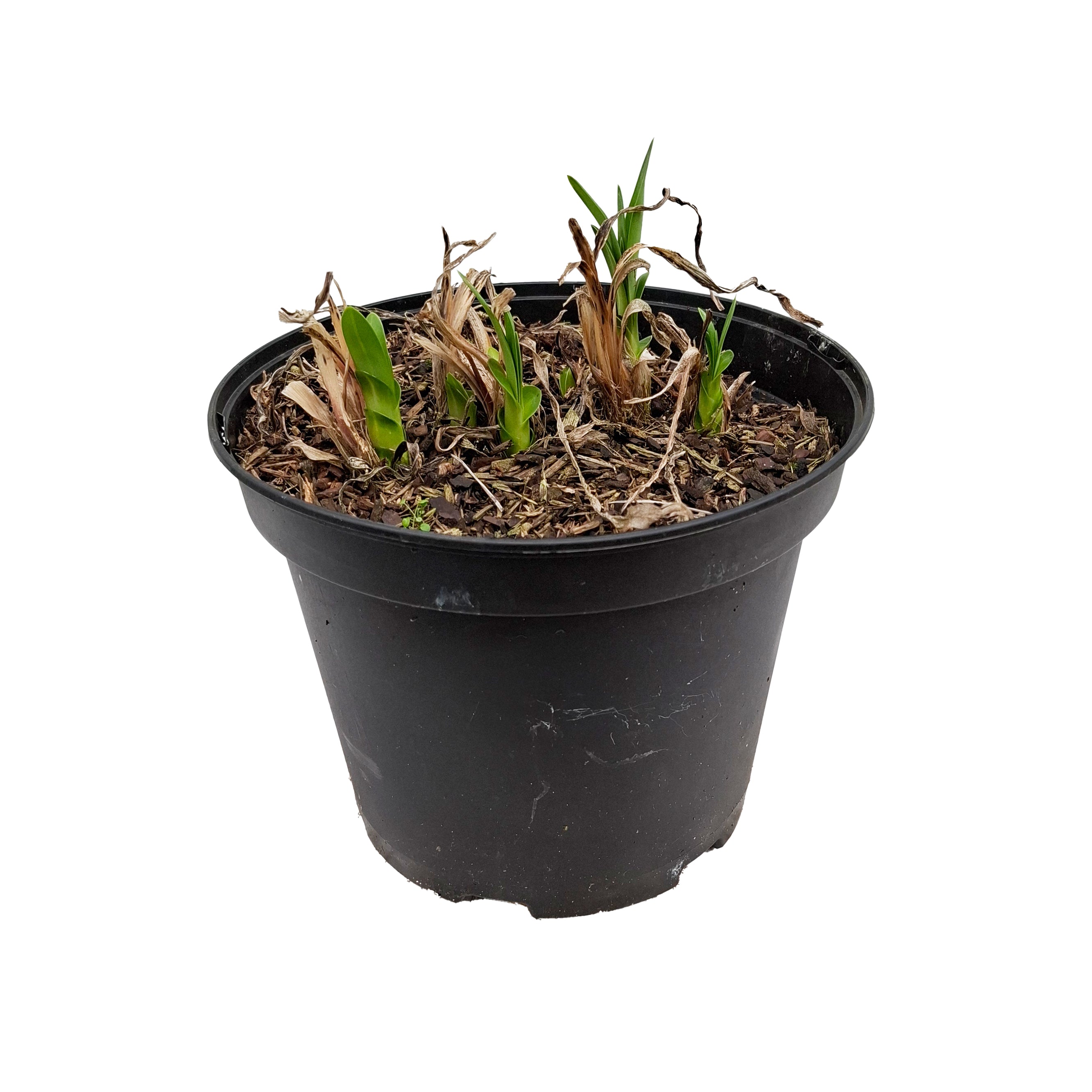
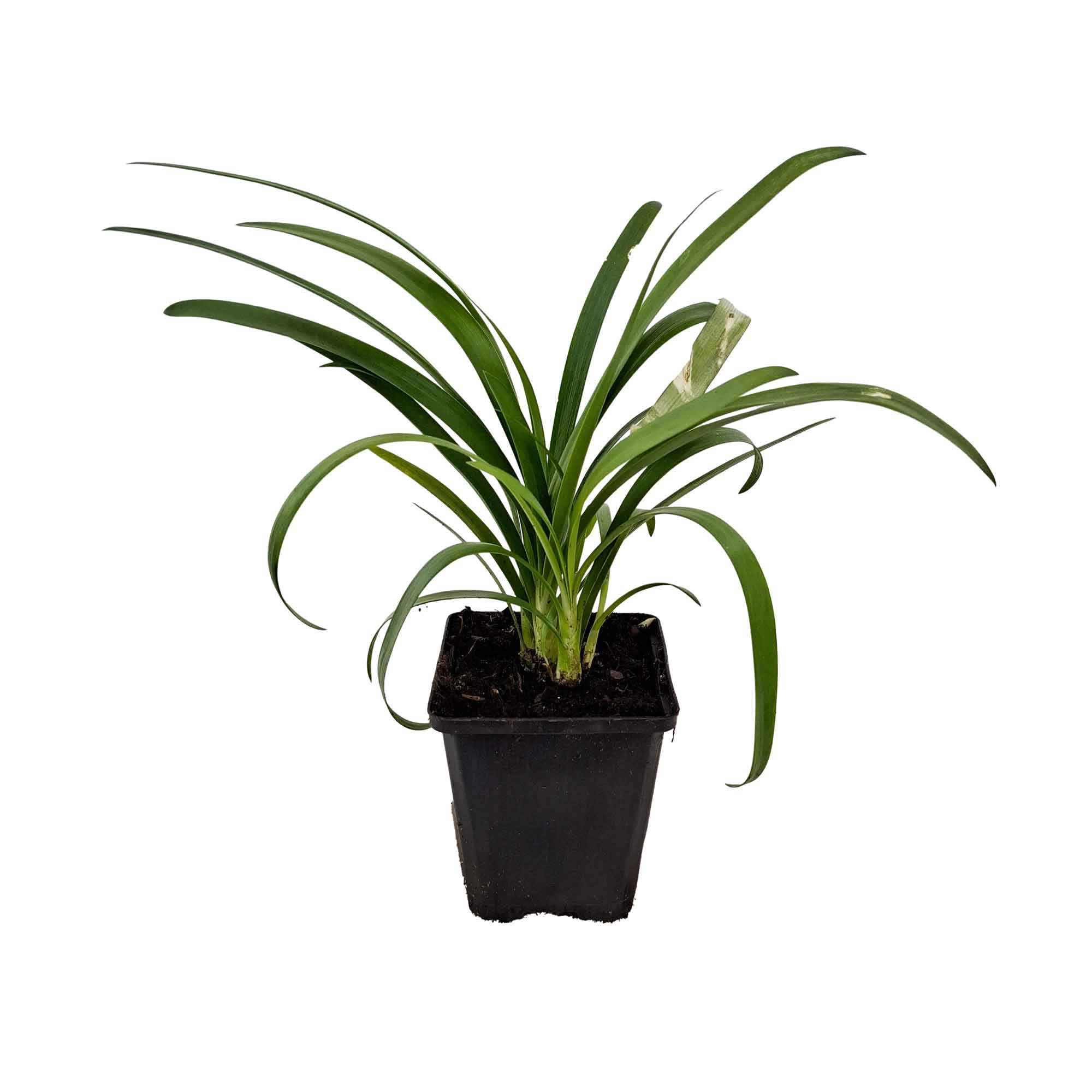
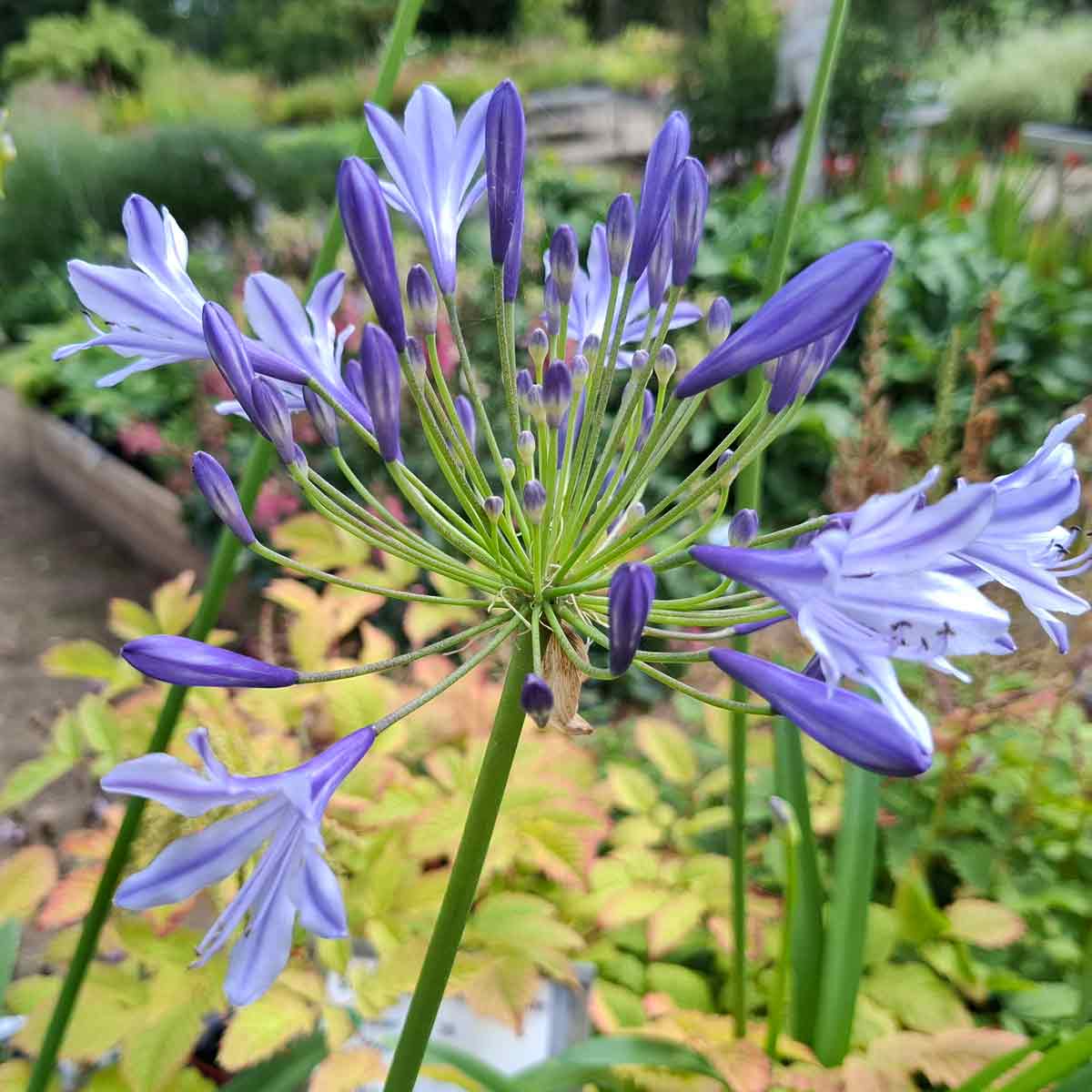
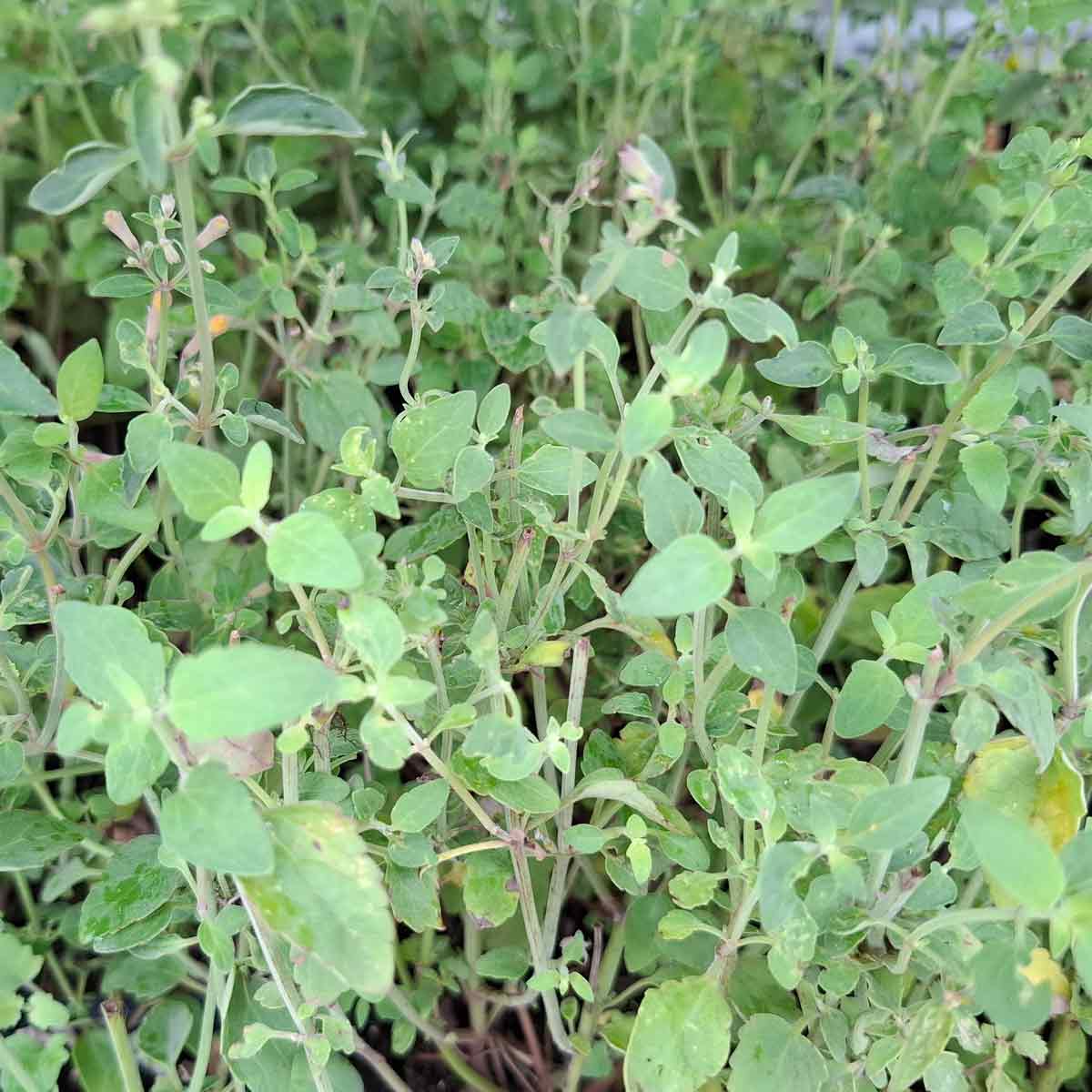
Perennials – versatile and long-lasting plants
Perennials are ideal for creating stable and lush beds, as they come back every year and can be combined with other plants for a varied look. With perennials, you can plan a garden with flowering from spring to late summer and autumn, depending on the varieties.
They are available in many types – from low-growing ground cover types to tall flowering ornamental perennials – making it possible to create dynamic and harmonious gardens.
Many perennials also attract beneficial insects and contribute to biodiversity in the garden.
Caring for and planting perennials
For perennials to thrive best, they should be planted in well-drained soil that suits the individual plant's sun/shade requirements. Regular watering during dry periods and light fertilization during the growing season promote healthy growth and flowering.
Pruning and removing spent flowers and leaves keeps plants healthy and stimulates new growth. Many perennials can be divided periodically, which both rejuvenates the plant and allows you to propagate the garden at no extra cost.