


Create a productive and inspiring vegetable garden
A vegetable garden is more than just a growing area, it is an active space where you can experiment with different vegetables, herbs and berries. When choosing plants for your vegetable garden, it is an advantage to combine varieties with different harvest times, so you can enjoy fresh produce throughout the season.
Raised beds in the kitchen garden
Raised beds have become popular because they offer better control over soil quality, drainage and temperature, meaning faster establishment and higher yields, especially early in the season.
• Raised bed vegetable gardens are ideal for vegetables such as salads, root vegetables, cabbage and beans.
• They provide an ergonomic working position and keep the beds neat and organized.
• The soil warms up faster in the spring, extending the growing season.
With raised beds, even small gardens can accommodate an impressive amount of crops.
Choose the right plants for the kitchen garden
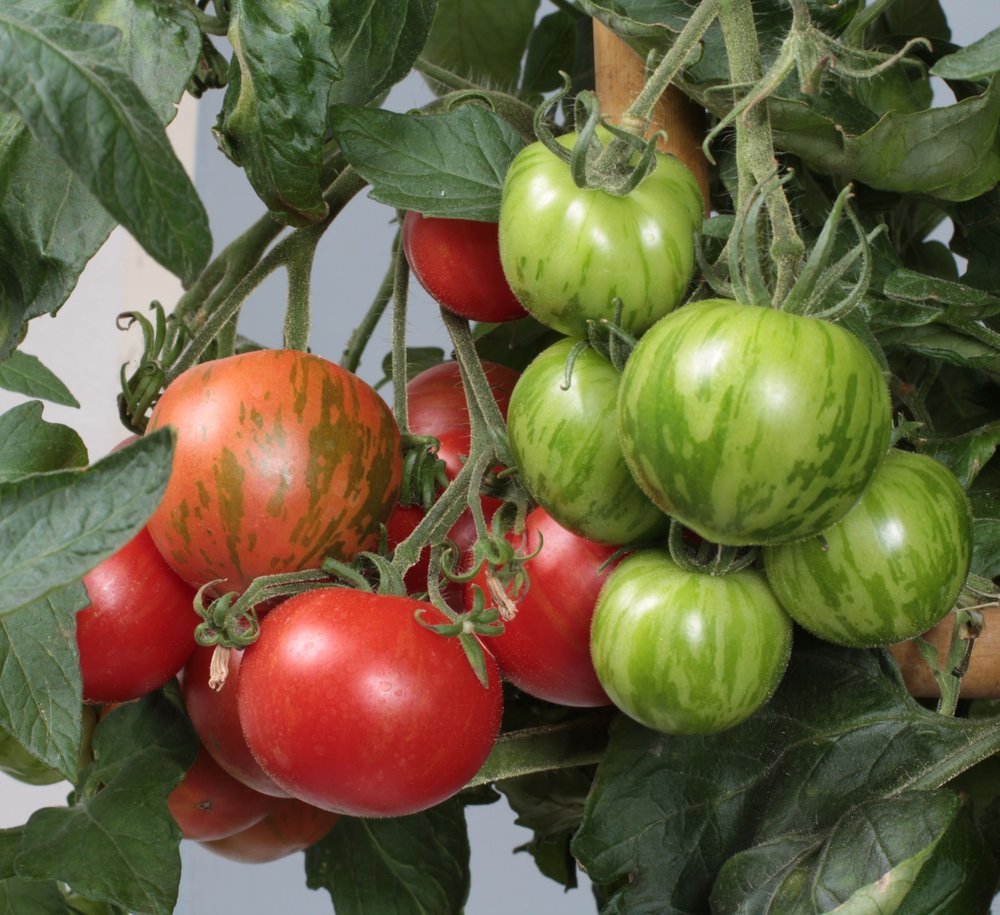
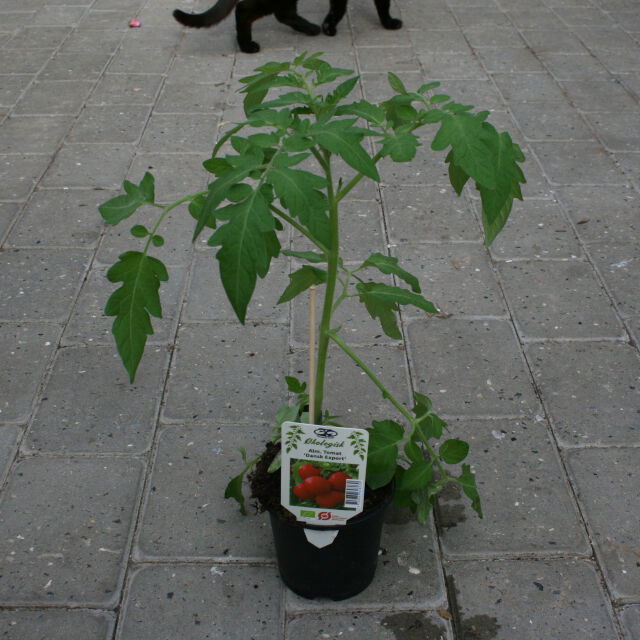
When planning your vegetable garden, it's a good idea to choose plants that are suited to your soil type and location. Tomatoes and peppers thrive best in heat and sun, while lettuce, spinach and parsley do well in milder conditions. Root vegetables like carrots and beets need loose soil, while onions and leeks require even moisture and good nutrition.
By combining high-yielding varieties with herbs and berry bushes, you get a vegetable garden with both flavor, structure and variety.
The kitchen garden as part of a sustainable everyday life
Growing vegetables in your vegetable garden not only provides fresh produce, it also reduces food waste and transportation. You can also collect rainwater for irrigation and plant insect-friendly plants to create a more natural and self-sufficient environment.